
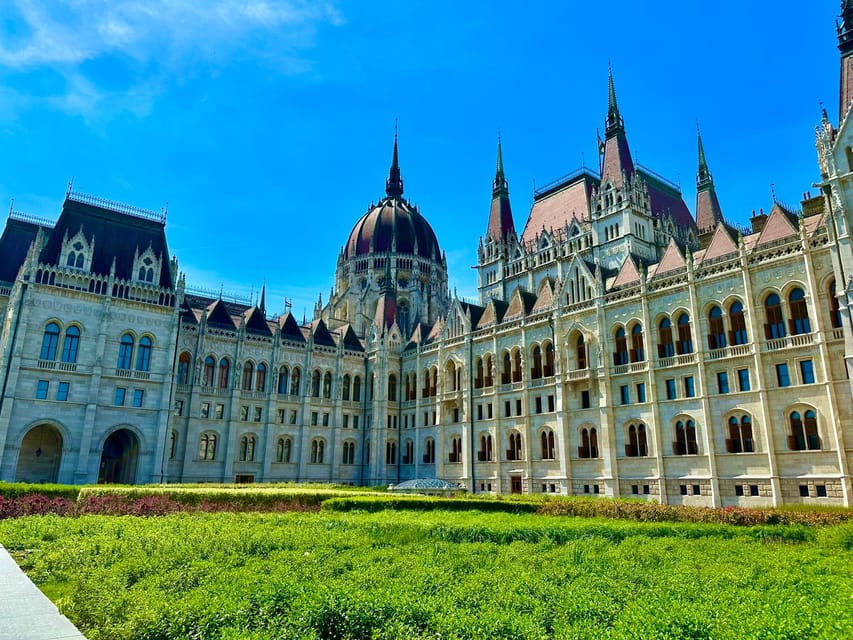
Budapest belongs to the river.
Cruise beneath Parliament after dark, climb Castle Hill before lunch, and leave time for the thermal baths. Clear reviews show what each ticket includes, how long it takes, and which Budapest day it suits.
The ones that sell out first.
A first Budapest stay needs the city from both banks: Parliament from the Danube, Castle Hill on foot, a proper thermal-bath session, and one evening when the bridges do all the decorating.
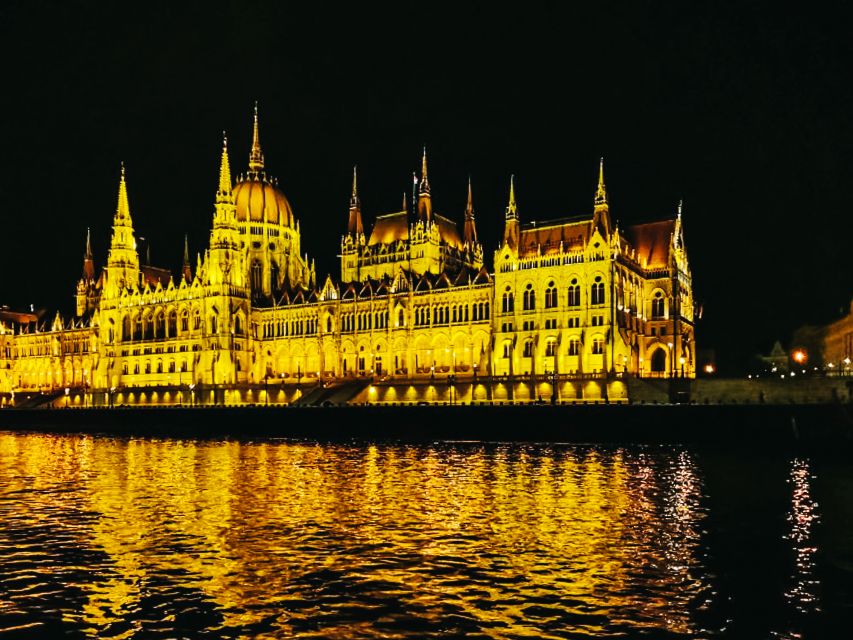
City Highlights Cruise with Welcome Drink
See Budapest lit up from the Danube on a 1-hour highlights cruise, with a welcome drink and deck views from Dock 42.
From $14 per person
Read the review → ★ 4.8Books out fastUnlimited Prosecco, Beer and Aperol Spritz CruiseFrom $2825,310 reviews
 ★ 4.5Crowd favourite1-Hour Evening Sightseeing Cruise with DrinkFrom $288,330 reviews
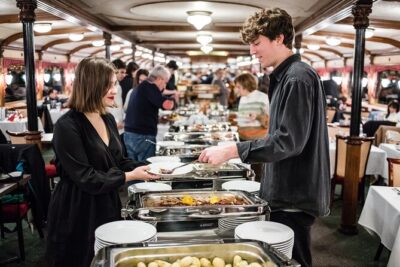 ★ 4.5Small-groupBudapest Danube Cruise and Dinner Options, Live Music and DanceFrom $547,428 reviews
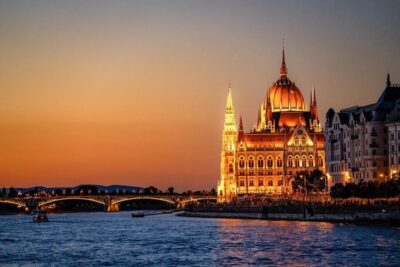 ★ 4.7Sea dayHistoric Cruise with Welcome DrinkFrom $126,512 reviews
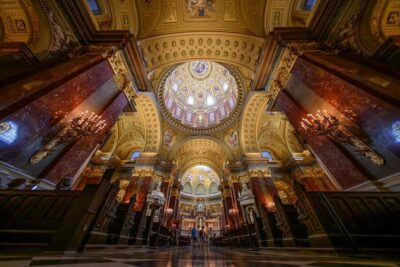 ★ 4.5Easy winSt. Stephen’s Basilica Entry with Terrace OptionFrom $96,399 reviews
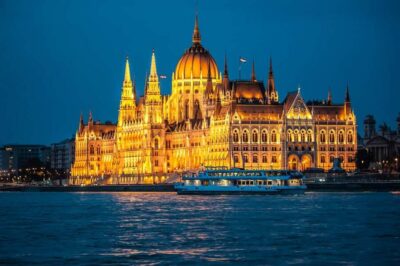 ★ 4.1Local favouriteBudapest By Night Sightseeing CruiseFrom $165,835 reviews
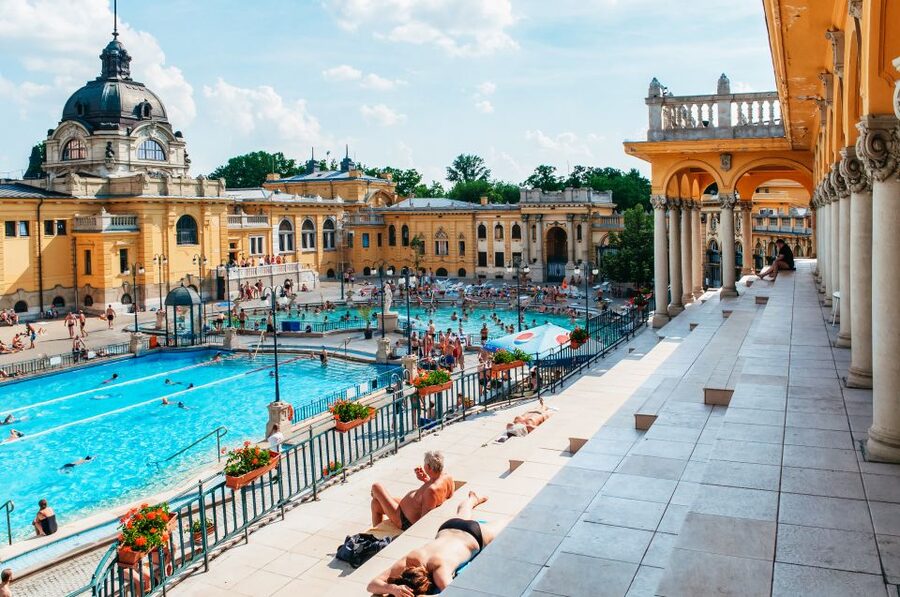
The baths are not an optional extra.
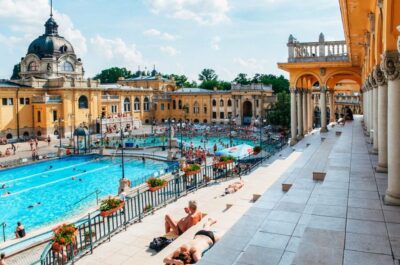
Széchenyi spreads its outdoor pools beneath yellow neo-Baroque walls, Gellért brings mosaics and Art Nouveau glass, and Rudas puts a rooftop pool over the Danube. Choose by atmosphere, not just by ticket price, and book the time slot before your day fills up.
Which Danube cruise fits the night?
Budapest’s river trips share the same skyline but not the same evening. Decide whether you want the view, a long dinner, or a louder night with the drinks included.
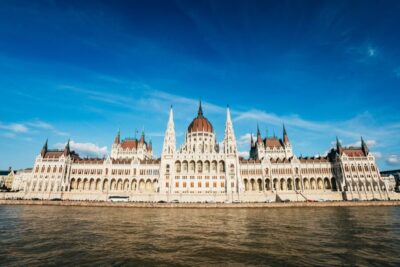 The essential view
The sightseeing cruise
1 hour · from $14 · 21,062 reviews
An hour on the river puts Parliament, Buda Castle and the Chain Bridge into one clean panorama. Pick daylight for architecture or the first evening departure for the lights.
See the sightseeing cruises →
A full evening
The dinner cruise
2 hours (approx.) · from $54 · 7,428 reviews
Dinner, live music and the illuminated banks turn the river into the night’s main event. Check whether the ticket includes a window table, drinks and the full menu before choosing.
See the dinner cruises →
Drinks and music
The party boat
from $28 · 25,310 reviews
These trade commentary for cocktails, DJs and a later finish. They suit a group night out; quieter travellers should stay with a standard evening or dinner sailing.
See the party cruises →
The essential view
The sightseeing cruise
1 hour · from $14 · 21,062 reviews
An hour on the river puts Parliament, Buda Castle and the Chain Bridge into one clean panorama. Pick daylight for architecture or the first evening departure for the lights.
See the sightseeing cruises →
A full evening
The dinner cruise
2 hours (approx.) · from $54 · 7,428 reviews
Dinner, live music and the illuminated banks turn the river into the night’s main event. Check whether the ticket includes a window table, drinks and the full menu before choosing.
See the dinner cruises →
Drinks and music
The party boat
from $28 · 25,310 reviews
These trade commentary for cocktails, DJs and a later finish. They suit a group night out; quieter travellers should stay with a standard evening or dinner sailing.
See the party cruises →

The bridges switch the city on.
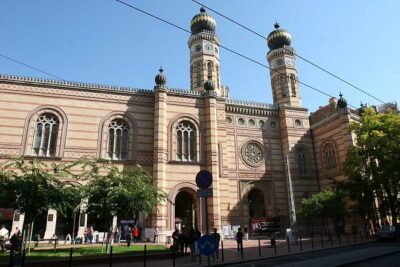
Parliament glows across the water, trams trace the embankment, and the ruin bars wake up behind the Great Synagogue. Start with an evening cruise, then choose live music, a cellar bar or a guided crawl through District VII.
Paprika is only the opening move.
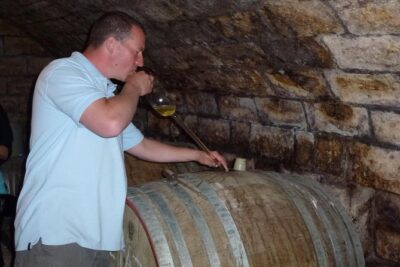
Market-hall tastings, Jewish-quarter bakeries, Tokaj and Bull’s Blood, chimney cake still warm from the iron. A good food tour moves past goulash and shows how the city eats now.

Two wheels, small wheels, or underground.
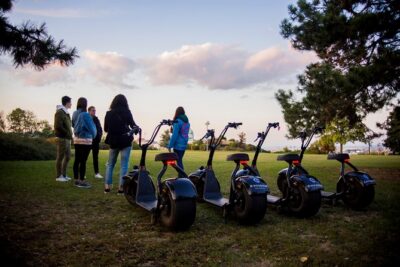
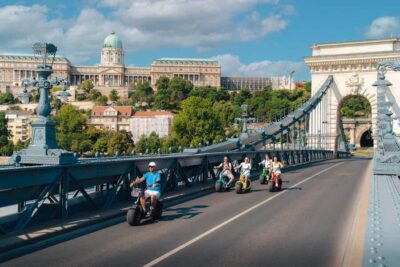
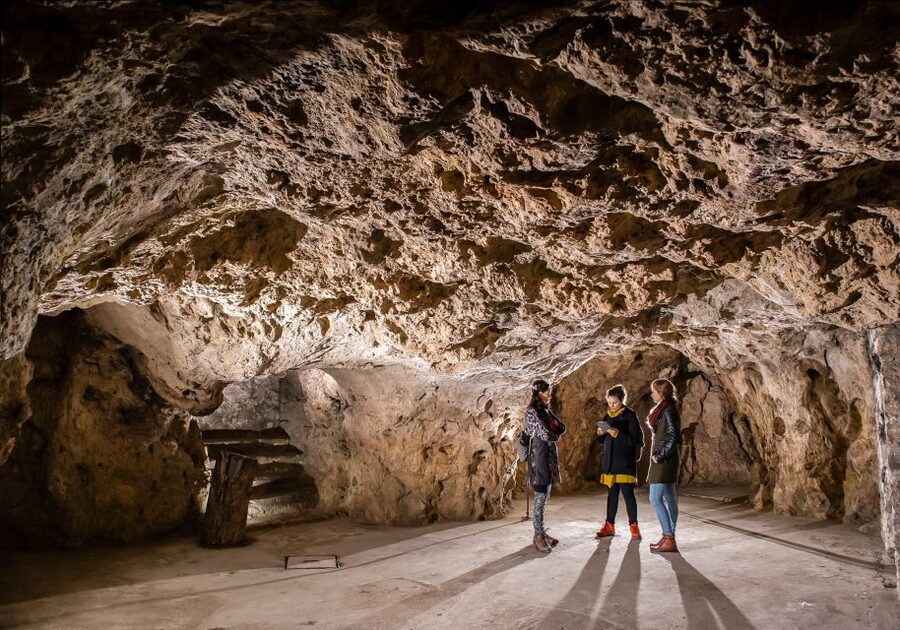
Cycle the flat Pest boulevards, take a Segway up Castle Hill, or trade the skyline for the cave system under the Buda hills. These are the active ways to see more without spending the day on a bus.

Start high on Castle Hill.
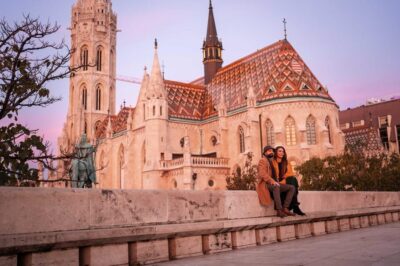
Fisherman’s Bastion frames Parliament across the river, Matthias Church brings the colour, and the palace terraces explain how Buda and Pest fit together. Go early for quiet viewpoints or after sunset for the lit-up banks.
Choose a side of the river.
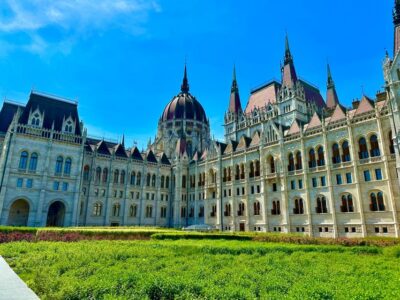
Pest carries Parliament, the grand boulevards and the Jewish Quarter. Buda climbs to the castle and the cave system. The Danube between them becomes a neighbourhood of its own after dark.
What kind of day is it?
Twelve ways to spend a Budapest day, grouped by what you actually feel like doing. Pick the one that fits and start there.

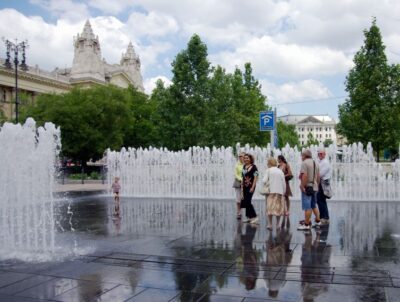
Follow the river beyond the city.
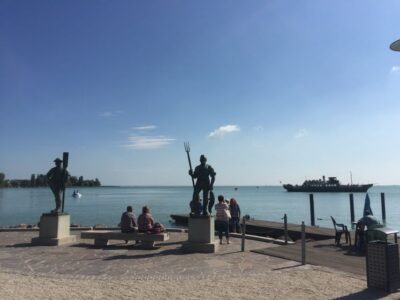
Szentendre brings painted lanes and galleries, the Danube Bend adds Esztergom and Visegrád, and Etyek pours the wine. Longer days reach Lake Balaton, Gödöllő Palace or even Bratislava.
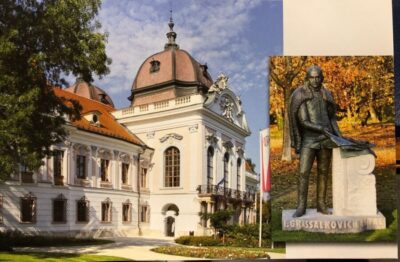
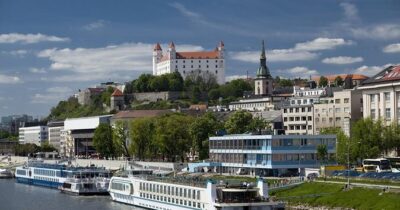
Three Budapest days, bank by bank.
Three days covers the city’s essential rhythm without turning it into a checklist: Pest and the river first, Buda and the baths second, then a smaller town upstream.
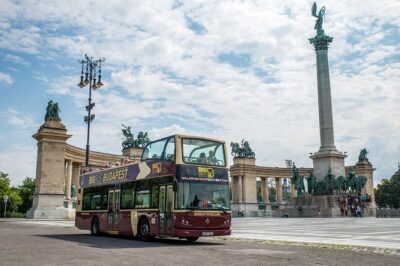 Day 1
Pest, Parliament and the river
Walk from the Parliament quarter through the centre and finish at the river. Take the evening cruise once the lamps come on; the city’s geography settles into place from the water.
Plan day one →
Day 1
Pest, Parliament and the river
Walk from the Parliament quarter through the centre and finish at the river. Take the evening cruise once the lamps come on; the city’s geography settles into place from the water.
Plan day one →
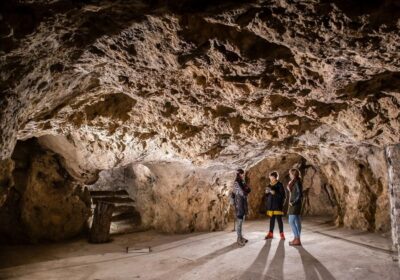 Day 2
Castle Hill, then the baths
Take the views from Fisherman’s Bastion before the groups arrive, walk the palace terraces, then give the afternoon to Széchenyi, Gellért or Rudas.
Plan day two →
Day 2
Castle Hill, then the baths
Take the views from Fisherman’s Bastion before the groups arrive, walk the palace terraces, then give the afternoon to Széchenyi, Gellért or Rudas.
Plan day two →
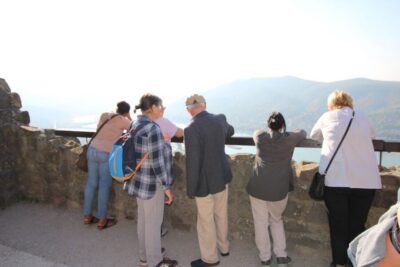 Day 3
The Danube Bend
Go upstream to Szentendre, Esztergom and Visegrád. The pace drops, the river widens, and the city feels even grander when you return after dark.
Plan day three →
Day 3
The Danube Bend
Go upstream to Szentendre, Esztergom and Visegrád. The pace drops, the river widens, and the city feels even grander when you return after dark.
Plan day three →
Latest from Budapest.
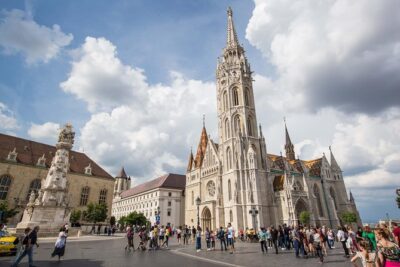 ★ 4.5Budapest Castle WalkFrom $1253 reviews
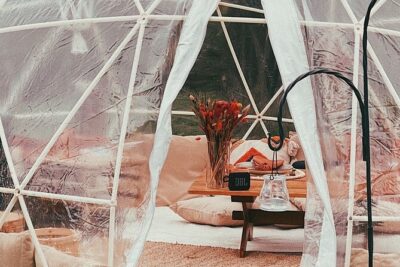 ★ 5.0Private Igloo Picnic Experience HungaryFrom $933 reviews
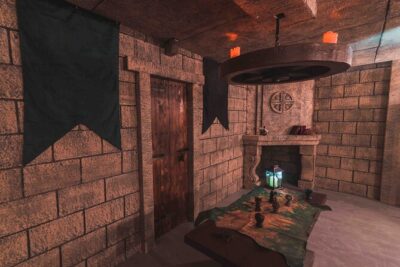 ★ 5.0Be a movie star! Film Tour, Escape room, in Budapest and EtyekFrom $1913 reviews
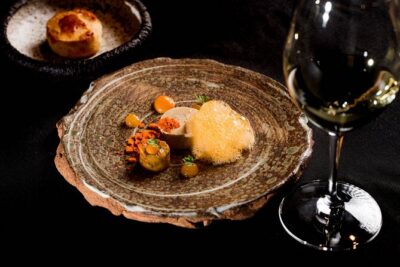 ★ 5.0Audio visual multi-sensory chefs journey dinner experienceFrom $1693 reviews
 ★ 3.8PÁNiQ-SZOBA | VR Escape Rooms by PANiQ ROOM in BudapestFrom $303 reviews
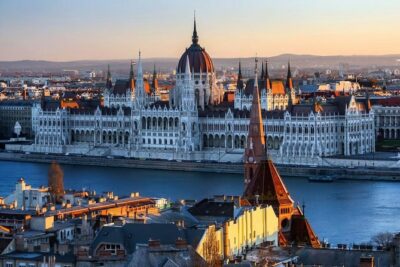 ★ 5.0Private 4-hours City Tour of Budapest with private guide and Hotel Pick-upFrom $3373 reviews
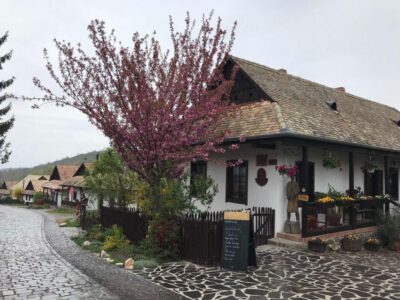 ★ 3.7Hollókő Ethnographic Village: Day Tour from BudapestFrom $6813 reviews
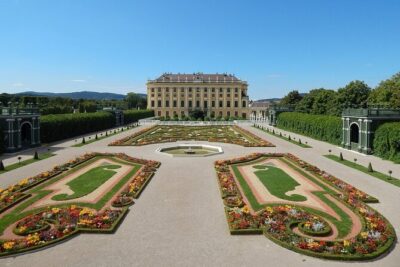 ★ 3.5Private day trip from Budapest to Bratislava, Vienna, and backFrom $3713 reviews