
Tour review · BUDAPEST JEWISH QUARTER TOURS
A Journey through Jewish Budapest – Walking Tour
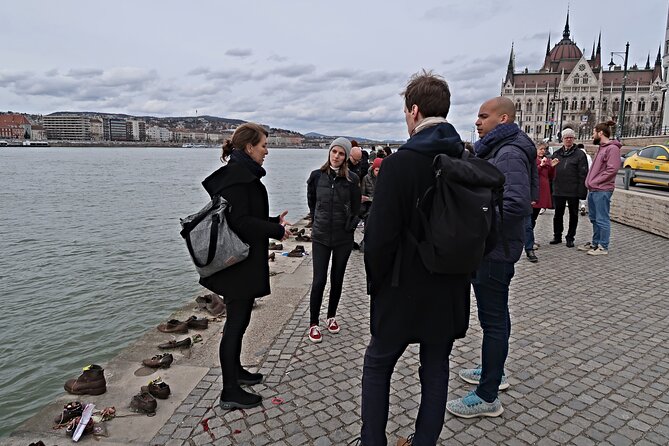
Budapest tells its Jewish story on foot. This 3-hour historical walk uses major sites like Dohány Street Synagogue and the Shoes on the Danube Bank memorial to explain what Jewish life looked like in Budapest before WWII. You move through layers of faith, community, and loss, guided by people who teach and write about history for a living.
I like the tour’s mix of big-ticket landmarks and smaller, specific details that make the past feel less abstract. You spend time in the Dohány complex, including the Temple of Heroes and the area that connects to the Jewish Museum and memorial spaces. I also like that the guide ties architecture and ritual spaces to real community life, not just sightseeing.
One thing to consider: the Dohány Synagogue has an extra ticket cost (listed as 14500Ft per individual) and a dress code. Shoulders and knees need coverage, and that means you should plan your outfit before you meet at Kamara Café on Dohany utca.
Key highlights to look for
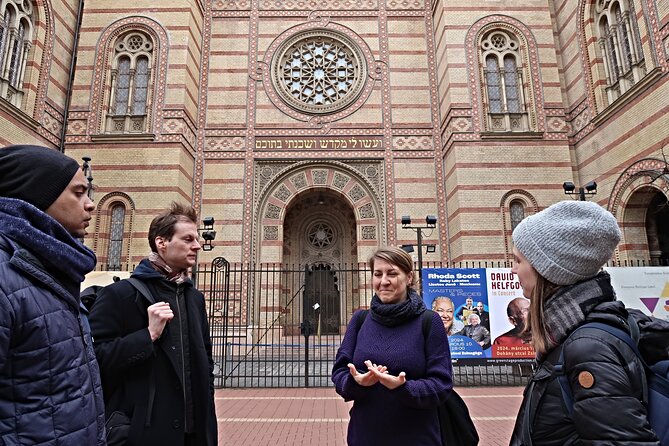
- A historian guide with academic credentials: the tour team can include professors, doctoral students, historians, journalists, art critics, and published authors.
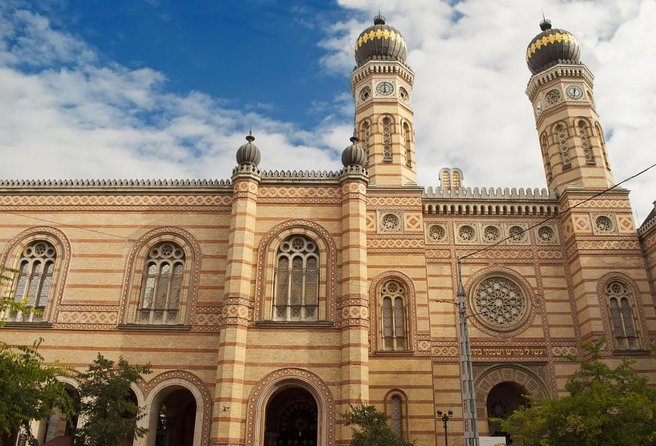
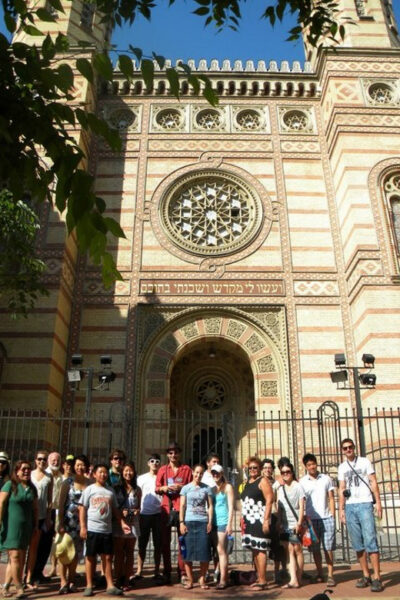
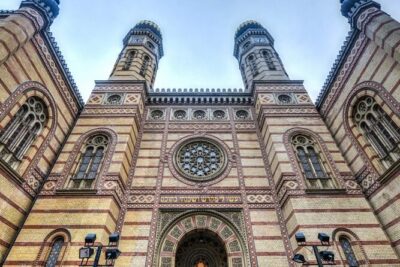
- Dohány Synagogue in Moorish Revival style: you’ll see why it’s often described as the largest Jewish house of worship in Europe.
- A respectful memorial arc on the Danube: the walk ends at the Shoes on the Danube Bank, built for remembrance.
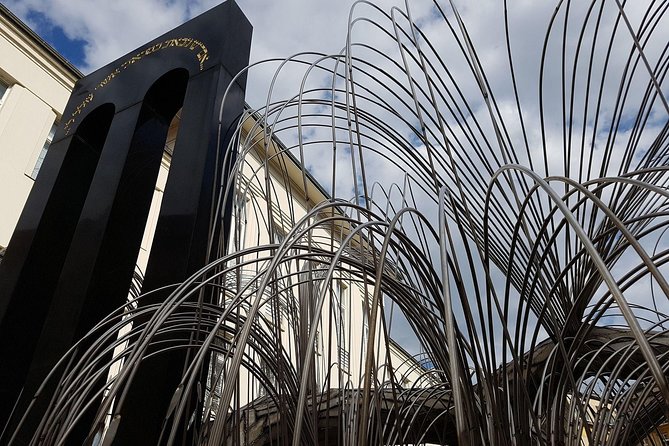
- Ghetto Wall Memorial (erected in 2014): a concrete stop for how the city marked the wartime past.
- Ritual and denominational differences: you’ll connect a Mikve and the Status Quo Ante stream of Judaism to what you see around you.
- Real personalization in small groups: guides like Orsolya and Endres have led tours that feel tailored, with time to check in and answer questions.
More stories from the Jewish Quarter and District VII
- Budapest Jewish Heritage Memorial Walking Tour & Synagogue Entry★ 5.0 · 568 reviews
- Budapest: Jewish Heritage Guided Tour with Synagogue Ticket★ 4.8 · 533 reviews
- Jewish Quarter of Budapest Walking Tour★ 4.7 · 369 reviews
- Budapest: Best of Downtown and Jewish Quarter Tour★ 5.0 · 312 reviews
A Jewish Budapest walk with a historian at your side
If you want Budapest to make sense fast, this kind of walking tour helps. The key is the framing. Instead of treating Jewish sites like standalone photo spots, the guide explains how they fit together in a city where Jewish people made up about a quarter of the population before WWII. That context changes what you notice. Facades start to feel like evidence. Memorials start to feel like a response.
The tour runs about three hours and is done on foot. It’s designed for an English-speaking group, with private or small-group options available, which matters because Jewish history in Budapest is emotionally heavy. You want time to ask a question, or pause when you need a minute.
Also, the guide style here matters. The tour is led by historians and other published professionals, and that shows in how the route is paced. In the past, guides such as Orsolya have been noted for being thoughtful and thorough, including checking that the group is okay before moving on. Endres is another name associated with exceptionally detailed historic context around the Great Synagogue and what changed during the Nazi era.
Why Herzl’s birthplace sets the tone for the route
The day starts near where the father of modern Zionism, Theodor Herzl, was born. That opening is smart. Even if you don’t plan to study Zionism, it plants a theme for the whole walk: Jewish identity in Budapest was not one single story. It included community institutions, religious life, political ideas, and changing pressures that intensified over time.
From there, you begin walking through the area and the route builds toward the Jewish religious landmarks that most visitors recognize. The first steps are also where you get your bearings, which helps later when you’re moving from synagogue complexes to ghetto-related memorials to the riverfront.
If you like tours that start with meaning instead of just geography, this one fits.
Dohány Street Synagogue: Moorish Revival grandeur plus the museum spaces
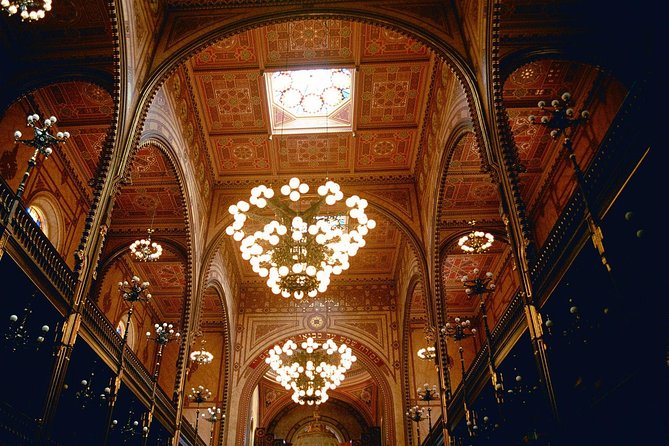
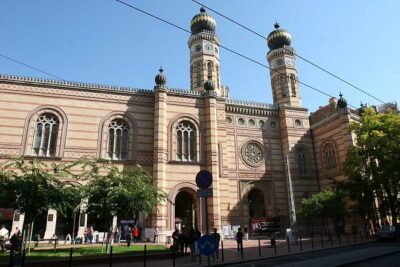
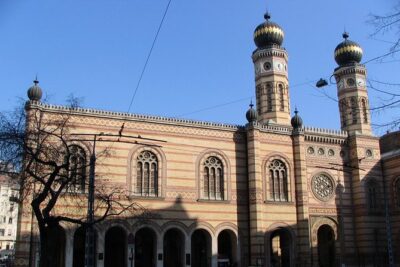
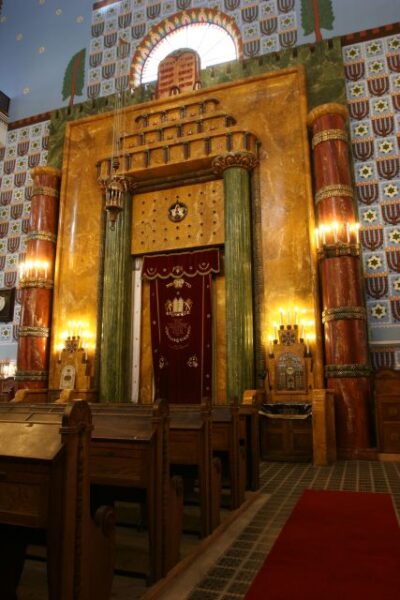
Dohány Street Synagogue is the centerpiece, and the tour treats it like more than a landmark. You get a guided visit that focuses on the building’s striking Moorish Revival style, which looks almost unreal against Budapest’s surrounding streets. More importantly, the guide connects the design to the idea of visibility, community pride, and a strong religious public life.
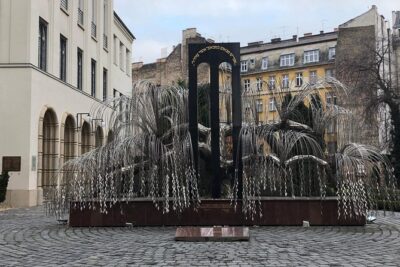
Another reason this stop works well is that it doesn’t end at the main sanctuary. Within the complex, you’ll also be pointed toward the Temple of Heroes, the Jewish Museum area, and memorial spaces. That matters because it gives you more than one lens on the same place. You see architecture, but you also see how the building functions as a cultural and memory site.
Dress code and tickets you should not ignore
Two practical things can trip people up if they show up unprepared:
- Dress code: shoulders and knees need coverage for visitors at the Dohány Synagogue.
- Tickets: Dohány Synagogue tickets are listed separately as 14500Ft per individual.
It’s not the tour’s fault, but it’s worth planning your day around. If you arrive in summer clothes, you might have to borrow or buy something on the spot, which can waste time. Wear something that meets the requirement and keep it comfortable for a few hours of walking.
Budapest on foot, with a few more routes to compare
- Budapest: Buda Castle District Walking Tour
★ 4.6 · 2,108 reviews - Budapest City Landmarks Walking Tour in 2 Hours
★ 5.0 · 2,048 reviews - 3-Hour Orientation Walking Tour of Buda and Pest
★ 4.8 · 1,834 reviews - Budapest Historical Sightseeing – Free Walking Tour
★ 5.0 · 1,302 reviews - Budapest All in One Small Group Walking Tour with Strudel Stop
★ 5.0 · 1,277 reviews
What a great guide adds here
A strong historic guide can do a lot inside one complex, because you’re surrounded by details that would otherwise blur together. Endres, for example, has been described as providing very detailed historic context about life in Budapest and how it changed under Nazi rule. That kind of framing makes the synagogue feel like a story you can follow, not just an impressive building.
Kazinczy Street synagogues and the “everyday ritual” stops
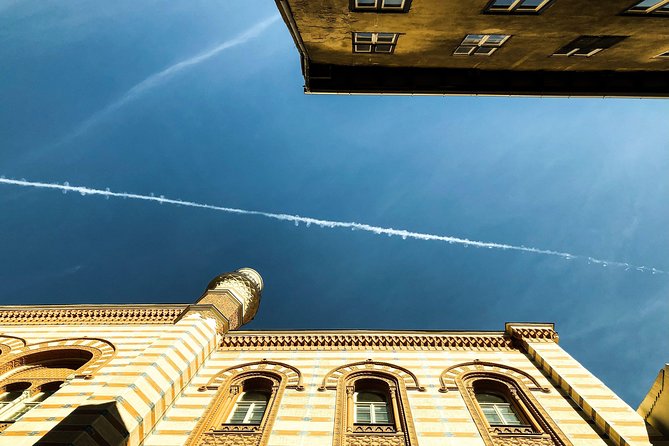
After Dohány, the route shifts toward nearby Jewish landmarks that show how the community’s religious world extended beyond one famous synagogue.
The tour includes the Ghetto Wall Memorial, erected in 2014. This is the kind of stop that you might otherwise rush past if you were walking on your own. Here, it’s used as a turning point: you transition from religious institutions and community life into the wartime reality carved into the city’s layout and memory.
Then comes one of the more interesting practical details: you’ll pass a Mikve, a Jewish ritual bath. Even when you’re only seeing it as part of the route, it helps you understand what Jewish religious practice can look like in daily or community terms. It’s not just about big ceremonies. It’s also about ritual spaces tied to tradition.
Next is the Art Nouveau orthodox synagogue on Kazinczy Street. The tour includes the exterior, and that’s a useful choice. Exteriors can be easier to contextualize on a walking route, especially when the guide is connecting different streams and eras of Jewish life.
Why this section matters
This part of the itinerary fills a common gap. Many sightseeing routes stay at the headline institutions. This one pushes you to notice how Jewish life occupied the city in many forms: memorial marking, ritual practice, and orthodox religious presence in architecture.
If you’re the type of traveler who likes your photo stops to have context, you’ll appreciate how the route keeps moving your attention from one kind of evidence to another.
Status Quo Ante Judaism and Rumbach Street Synagogue facade details
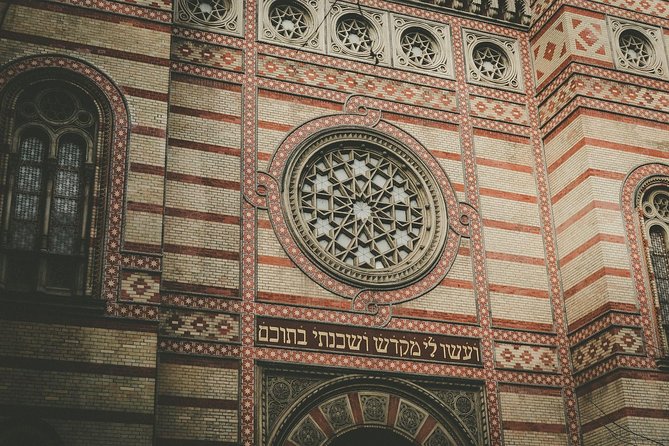
Another standout in the route is the stop focused on the Status Quo Ante stream of Judaism and the impressive facade of the Rumbach Street Synagogue. That might sound like niche terminology, but in practice it’s a quick way to understand that Jewish religious life in Budapest had internal diversity.
If you’ve ever wondered why different synagogues feel different, this is the kind of explanation that helps. The tour uses the facade as a visual anchor, then connects it to what you’re learning about the movement or tradition linked to the building.
Even if you don’t leave with a full textbook understanding, you should come away with a clearer mental map. You’ll see why religious identity in Budapest wasn’t a single uniform thing. It had different forms, different governance, and different community practices, all coexisting in the same city.
And yes, facades matter here. When you’re learning, an exterior can be the best “classroom.” It gives your brain a stable point while the guide builds the story around it.
Shoes on the Danube Bank memorial: reflection with purpose
The final stop is the Shoes on the Danube Bank memorial. This is not a casual end to a sightseeing day. It’s built to make you stop and remember Jewish lives lost along the river.
The way the tour frames this moment is important. You’re guided to reflect on what happened here, and you’re also prompted to consider the revitalization of Budapest’s Jewish community today. That pairing is delicate, but it’s also honest. A memorial like this is not only about grief. It’s also about what survival and rebuilding mean in the long run.
Expect an emotional finish
Even if you’ve read about the Holocaust or Budapest’s wartime history before, the Danube riverfront setting adds weight. You’re standing in a real place where the story is anchored. A good guide will keep the tone respectful and allow space for silence when the group needs it.
This is where the pacing of the whole tour pays off. Because you already saw religious community life earlier, the memorial lands with more meaning. You can picture what was taken, and that’s the point.
Price and logistics: is $123 worth it?
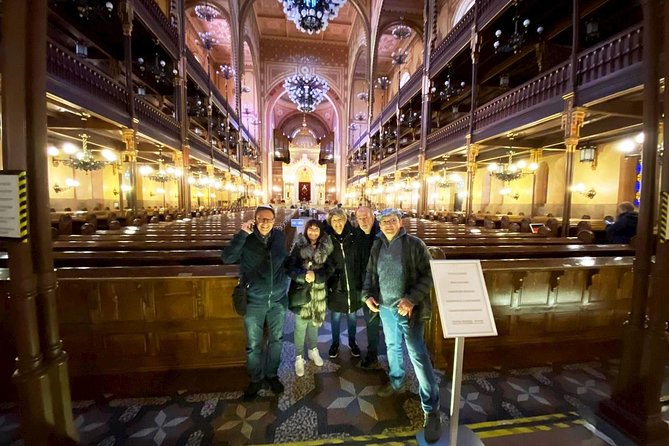
The price listed is $123 per person for a three-hour walking tour with a historian guide. For Budapest, that’s not cheap, but it’s not outrageous either given that the tour is teacher-led and structured around specific sites rather than general city walking.
Here’s the value equation you can use:
- You’re paying for a guide who interprets the sites, especially the parts where architecture and memorial design need context.
- You’re not just touring inside one place. The route links multiple stops into a single narrative flow.
- You get live, English-language commentary.
The main extra cost to remember is the Dohány Synagogue ticket, listed separately as 14500Ft per individual. If you plan to visit, factor that in ahead of time so the day doesn’t feel squeezed.
Timing is also a practical factor. The tour is three hours, so you should avoid stacking it immediately before a long evening plan, unless you’re fine with arriving a bit tired.
Who this tour suits best
This experience is a strong fit if you:
- Want context for major Jewish sites, not just photos.
- Prefer walking tours that connect religion, community, and memory in one route.
- Like guides who bring academic depth, and who can answer detailed questions in a clear way.
It’s also a good choice for travelers who appreciate small-group attention. The tour has private or small groups available, and past tours have been described as very personalized, even for couples or groups of four. That kind of size matters for a tour that includes both landmark grandeur and memorial reflection.
If you’re traveling with limited walking stamina, you might want to consider whether a three-hour route with multiple stops works for you. The itinerary is on foot, and even with breaks to look around, it’s still a steady physical schedule.
A few practical tips before you go
Use these as a checklist so the tour feels smooth:
- Plan your outfit for Dohány Synagogue, shoulders and knees covered.
- Wear shoes you trust for city walking. You’ll be moving between stops and standing for parts of the memorial section.
- Bring water, especially in warm months. The tour is only three hours, but it still counts.
- If you want specific moments of remembrance, ask your guide what options are possible ahead of time. In the past, guides have been willing to facilitate meaningful, respectful actions such as cleansing a few stumbling stones when requested and done according to instructions.
Should you book this Jewish Budapest walking tour?
I’d book it if you want your Jewish Budapest visit to feel connected and explained. The route is built around major places people come to see, but it also uses them to tell a coherent story about Jewish life in Budapest before WWII, the wartime rupture, and the present-day community reality.
I’d hesitate only if you’re not interested in religious context or if the emotional memorial ending will feel like too much for your day. Also, if you dislike separate ticket costs and dress code rules, plan for those up front.
Overall, at $123 for three hours with an historian guide and a route that covers the Dohány complex, Kazinczy Street, ghetto-related memorials, and the Danube, it offers solid value for travelers who like meaning alongside the sights.
Keep Walking Budapest





More of the Jewish Quarter




More Tour Reviews in Budapest






Recently added around Budapest



Budapest Jewish Quarter Tours, compared.
 ★ 5.0Budapest Jewish Heritage Memorial Walking Tour & Synagogue EntryFrom $83568 reviews
 ★ 4.8Jewish Heritage Guided Tour with Synagogue TicketFrom $81533 reviews
 ★ 4.7Jewish Quarter of Budapest Walking TourFrom $2369 reviews
 ★ 5.0Best of Downtown and Jewish Quarter TourFrom $23312 reviews
 ★ 4.5Budapest Dohany Synagogue & Hungarian Jewish Museum & free extrasFrom $44218 reviews
 ★ 5.0Budapest City Walk in Jewish QuarterFrom $356218 reviews
 ★ 5.0Budapest Dohany, Heroes’, Rumbach synagogues & Jewish Ghetto TourFrom $63200 reviews
 ★ 4.8Budapest Grand Half-Day Jewish Heritage TourFrom $116135 reviews
Browse the lists this tour appears in