
Tour review · BUDAPEST WALKING TOURS
Budapest 3-Hour Walking Tour in Italian
Budapest compresses a lot of drama into a short walk. This 3-hour route links Pest landmarks to the Buda side so you see the city’s big stories without needing a full day plan.
I like the way the tour leans on Italian-speaking guiding, with explanations that help you connect what you’re looking at to what Hungary lived through. I also love the mix of architectural styles, from the brightness of St. Stephen’s Basilica to the Gothic Matthias Church.
One thing to consider: it’s mainly on foot plus a short public-transport crossing over to Buda, so comfortable shoes matter, and the walking pace may feel like a lot if you’re used to slow sightseeing.
Key Highlights That Make This Tour Worth Your Time

- Italian-speaking guide explanations that make the monuments easier to understand
- St. Stephen’s Basilica as the visual anchor, impressive from both near and far
- Buda Castle area with fortress vibes and classic viewpoint energy
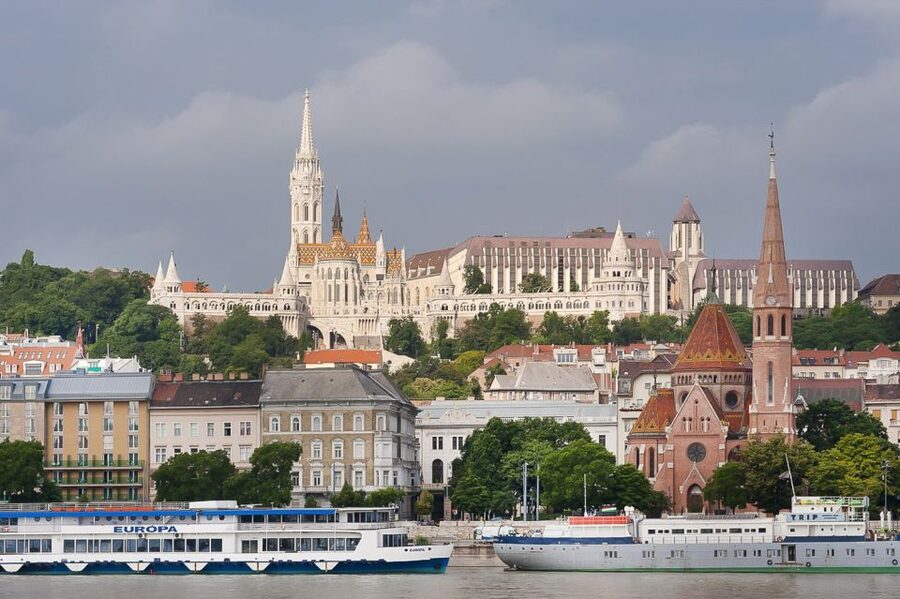
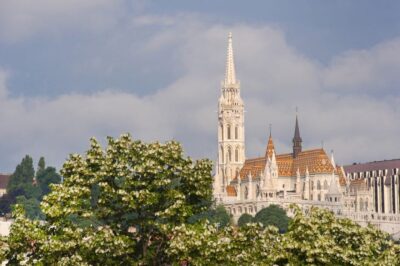
- Matthias Church and its Gothic style, a highlight that rewards close looking
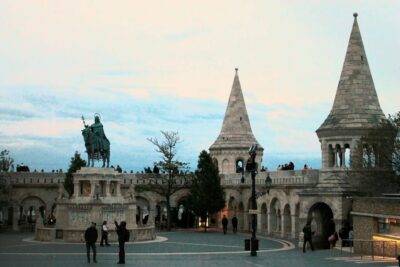
- Fishermen’s Bastion for iconic terraces and Danube-and-city photo angles
- Danube crossing by public transport, a practical way to switch sides quickly
Budapest on foot, with a few more routes to compare
- Big Bus Budapest Hop-On Hop-Off Bus and Walking Tour★ 3.5 · 2,206 reviews
- Budapest: Buda Castle District Walking Tour★ 4.6 · 2,108 reviews
- Budapest City Landmarks Walking Tour in 2 Hours★ 5.0 · 2,048 reviews
- 3-Hour Orientation Walking Tour of Buda and Pest★ 4.8 · 1,834 reviews
Why This 3-Hour Italian Walk Works for First-Time Budapest
If Budapest is your first stop in Hungary, this kind of tour is a smart shortcut. You get a focused loop through the oldest parts of the city, where the layers of the Hungarian kingdom show up in stone, layout, and style. In three hours, you cover enough ground to orient yourself, then you can return later to explore whatever grabbed your attention.
The tour is built for clarity. You’re not just collecting landmarks. You’re learning the thread that connects them: roughly 1,100 years of history, from early conquest-era shifts through later changes and the more recent turn toward democracy. That matters because Budapest can feel like a pile of sights if you don’t have context. With a guide giving the background, the buildings start to make sense instead of just looking pretty.
The other reason I like this format is the balance between major “postcard” spots and the spots that explain the city’s structure. You spend time in central Pest around St. Stephen’s Basilica, then move into the Buda Castle Quarter, where the view from above changes your perspective on everything you thought you knew about the city.
Starting at St. Stephen’s Basilica, Then Into Central Pest
You begin next to St. Stephen’s Basilica, in front of California Coffee Company. That’s a helpful meeting point because the basilica is hard to miss, and you can often get yourself oriented there quickly before the walk begins.
From the start, St. Stephen’s Basilica sets the tone. You’ll see it up close, and you’ll also get the sense of why it became such a defining symbol in Budapest. The tour aims to show you more than the obvious facade. It helps you connect the basilica to Hungarian identity and the way religious architecture became a public statement.
Then you move through the center of Pest, and that’s where the tour earns its value for a short visit. Instead of jumping straight to the castle area, you get the “base map” first. Pest is where the city shows its civic energy and where you can often feel how modern Budapest grew alongside the older core.
In practical terms, this section also helps you mentally prepare for the Buda side. You’ll start to understand the city’s split by the Danube, and you’ll see how moving to Buda isn’t just a change of neighborhood, it’s a change of viewpoint and mood.
Danube Crossing by Public Transport, a Smart Way to Switch Sides
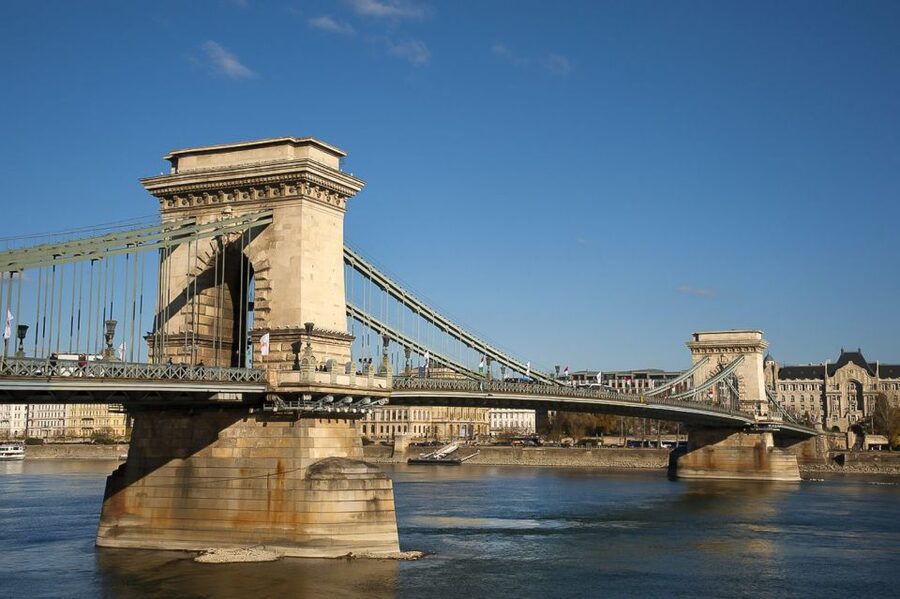
One detail I appreciate is the choice to use public transport to cross the Danube. Yes, you could walk if you wanted a long haul, but that would steal time from the landmarks. Here, the tour uses transit to keep the schedule moving and your energy intact.
You’re not doing this for convenience alone. The Danube is basically Budapest’s stage, and crossing it helps you understand how the city is built as two halves that constantly trade views and meaning. Getting that switch early in your walk makes the Buda Castle Quarter feel like the payoff, not just another stop.
Also, this is where you’ll want to be practical with your wallet and time. The tour information lists public transport tickets separately, with 4 tickets per person totaling 1400 HUF. Plan to have cash or a way to buy tickets before you join the walk, so you don’t lose time at the machine or kiosk.
Even if you’re not a transit person, the value here is that it keeps the tour efficient. You spend more of your 3 hours looking at sights instead of inching between them.
Buda Castle Quarter and the Royal Palace Atmosphere
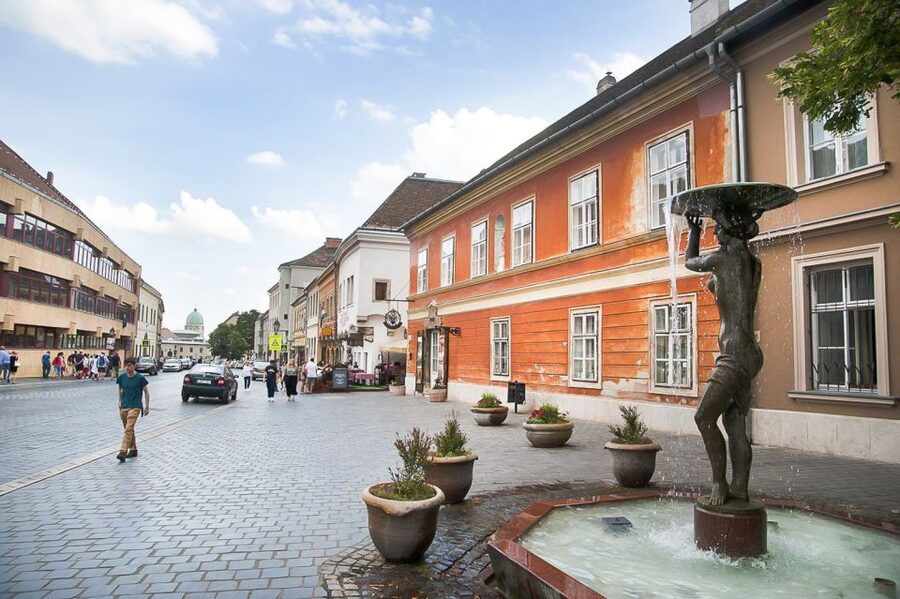
Once you’re on the Buda side, the tone shifts right away. You enter the Castle Quarter, where you can feel the fortress mindset in the streets and viewpoints. This is where Budapest starts to look like a kingdom built on defense, power, and ceremony.
The tour focuses on the fortified Buda Castle area and highlights the Royal Palace zone. In other words, you’re not only looking at buildings, you’re walking through the idea of rulership in stone. Even if you’ve visited castles before, Buda’s setting does something special. The way the city drops away below you gives you instant context for why castles were placed here in the first place.
You’ll also pass by major ceremonial structures connected with Hungarian state life, including the President’s Palace. That’s useful because it ties modern governance to the same central geography that shaped the past. Budapest isn’t stuck in medieval time, and the tour helps you keep that bigger picture in view.
What I think works best for you here is the combination of walking and explanation. If you’re traveling solo, it’s easy to stand in front of a palace wall and wonder what you’re supposed to notice. A guide can point out the practical story clues, the reason certain areas matter, and how the architecture and location reflect the country’s shifts over centuries.
Budapest on foot, a few more ways
- Budapest: Buda Castle Walk with Saint Stephen’s Hall
★ 4.5 · 3,012 reviews - Budapest: 3-Hour Grand City Tour and Castle Walk
★ 4.3 · 1,437 reviews - Budapest Historical Sightseeing – Free Walking Tour
★ 5.0 · 1,302 reviews - Budapest All in One Small Group Walking Tour with Strudel Stop
★ 5.0 · 1,277 reviews - Budapest: Buda Castle District Walking Tour with a Historian
★ 4.9 · 867 reviews
Matthias Church: Gothic Details Worth Slowing Down For
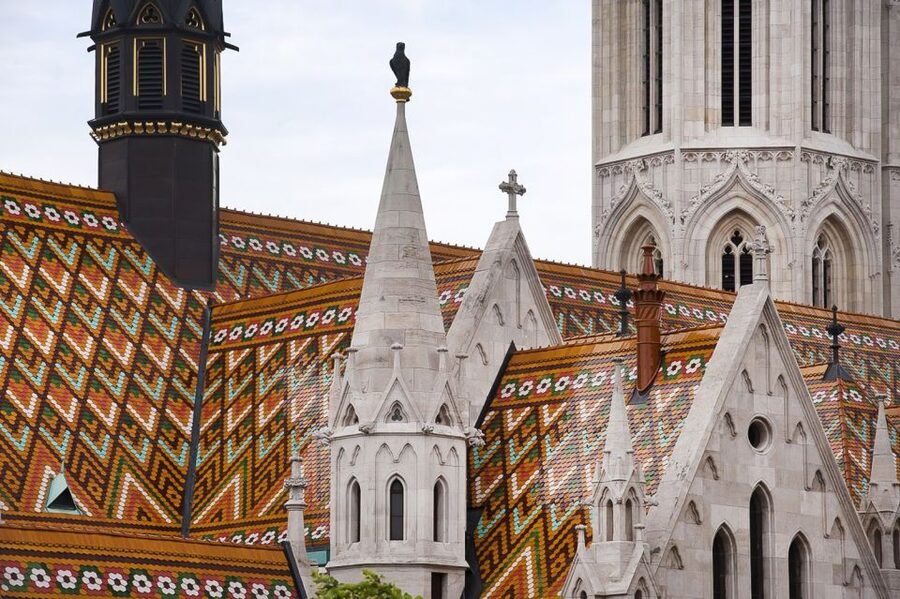
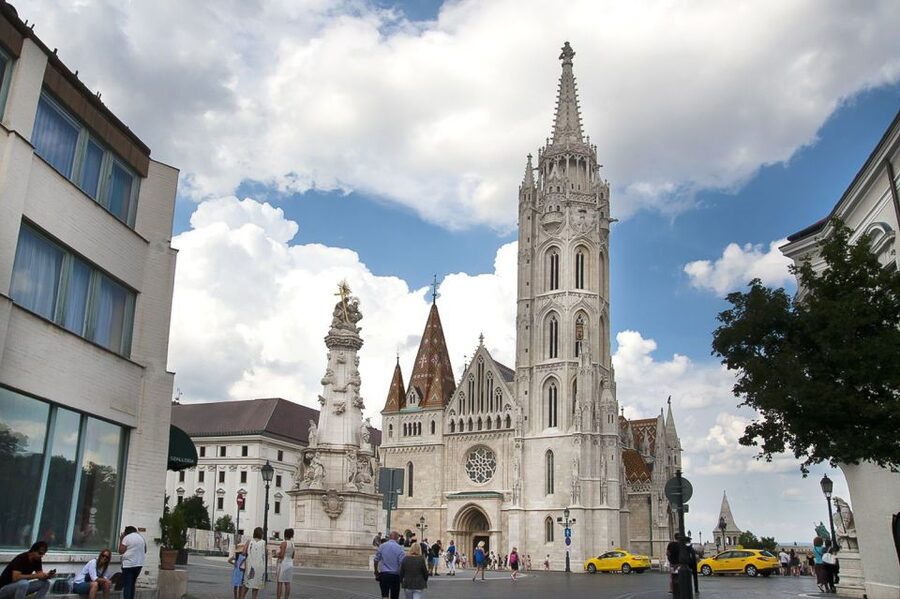
One of the top stops is Matthias Church. This is the kind of place where you can rush and miss what makes it memorable. The tour encourages you to look with intent, since Matthias is a strong example of Gothic architecture in Budapest.
Matthias Church is also a good “middle act” stop in a short tour. It’s not just the castle backdrop. It’s a landmark with its own presence, where details matter, and where your eyes naturally start scanning surfaces, shapes, and style changes.
If you’re the type who likes to take photos, this is also a place where close viewpoints can help. The tour timing gives you time to actually notice, not just snap-and-move.
And because you’re learning a broad sweep of Hungarian history during the walk, Matthias becomes more than a photo stop. It starts to connect with the feeling of ambition and cultural identity that shows up in major religious and civic architecture across Central Europe.
Fishermen’s Bastion Views, Plus the Why Behind Them
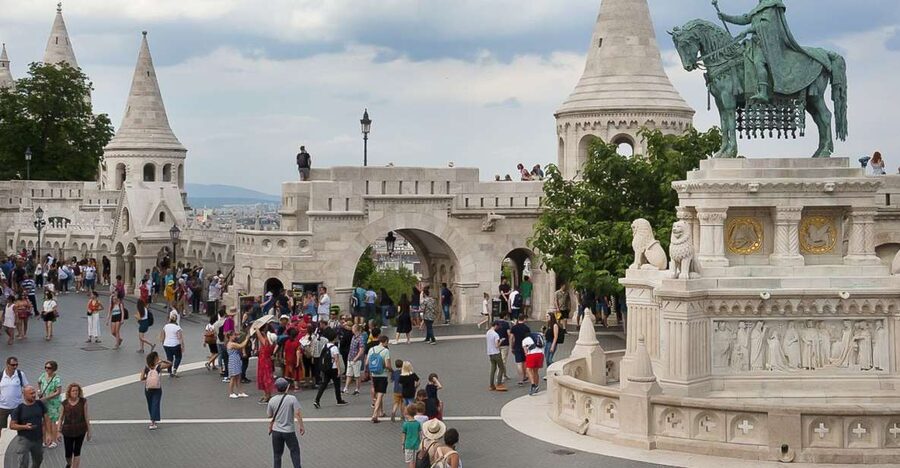
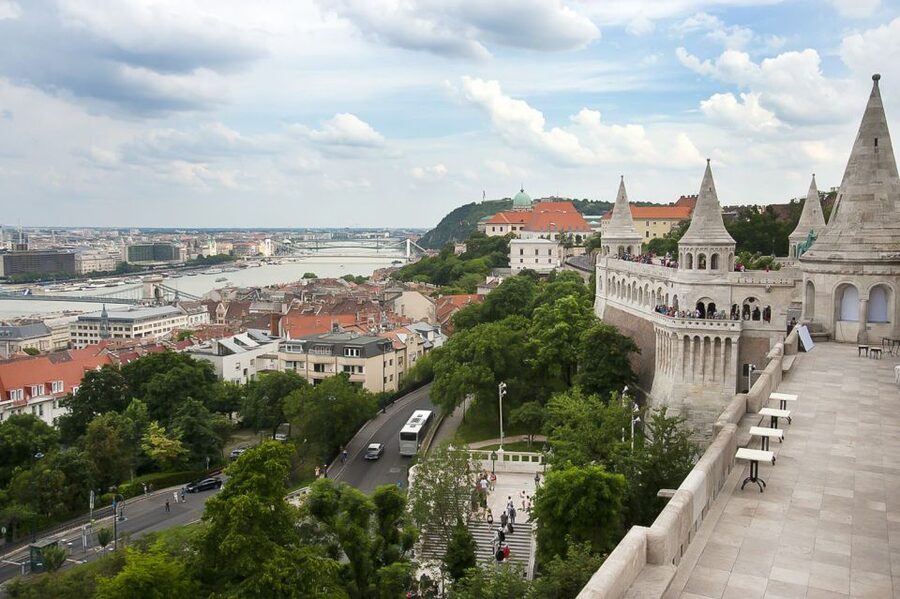
From Matthias, you move toward the viewpoint energy of Fishermen’s Bastion. This is where Budapest becomes easy to understand visually. The terraces give you sweeping city views, and you can see how the Danube organizes the whole scene.
The reason this stop is so valuable is that it resets your mental map. Earlier, you’ve been moving through buildings and streets, learning the city’s layout. At Fishermen’s Bastion, your brain finally gets the full picture: Pest in front of you, Buda on your side, and the river tying it all together.
It’s also a stop that helps you plan your future self-guided exploring. After you’ve seen these viewpoints, you’ll know where to return if you want a longer museum day later, or where you want to come back at different light. Even if you don’t take long photos here, you get a useful baseline for what “the best view” feels like in person.
Price and Value: How $41 Adds Up in Real Time
The listed price is $41 per person for a 3-hour walking tour in Italian. Tickets for public transport are separate, at 1400 HUF total for 4 tickets per person.
So is it worth it? For me, it hinges on two things. First, you’re paying for guided interpretation, and in a city like Budapest, context makes the sights easier to remember. Second, this tour uses a smart mix of walking and transit so you get to both Pest and the Buda Castle area without turning your short stay into a marathon.
If you were to DIY this route, you’d probably spend money too, not just on transit but on lost time. You might also end up skipping the parts that don’t feel “obvious” at first glance. Here, the guide’s job is to help you notice the right things.
One other plus for value: the tour offers private or small groups. A smaller group often means you can ask questions and keep the pace comfortable. In the provided guide feedback, the guides have been praised for being friendly and giving strong explanations, and you’ll feel that difference more when the group is smaller.
Who Will Enjoy This Most (and Who Might Not)
This tour is a great fit if you want a clear first introduction to Budapest and you like architecture, history, and viewpoints. It’s also a good match if you prefer learning in real time instead of reading on your phone between photos.
It’s suitable for all ages, and the structure is built to move you through major highlights without requiring advanced navigation skills. The only real constraint you should plan around is the pace and the walking. If you have mobility limits or you know you get tired quickly, you may find the combination of walking plus transit a bit demanding.
Also check the dress expectations. The tour notes that shorts and sleeveless shirts aren’t allowed. That matters because Hungary can have warm afternoons, and it’s easy to show up ready for summer weather and then realize you’re underdressed for the stops.
Meeting Point, Timing, and What to Bring
Meet at St. Stephen’s Basilica, next to California Coffee Company. From there, you’ll start the walk and gradually work your way toward the Buda Castle area.
Bring comfortable shoes. Even though it’s only three hours, you’re on your feet for a meaningful chunk of that time, including streets in the Castle Quarter area. If your shoes are stylish but unforgiving, you’ll feel it by the time you reach Matthias and Fishermen’s Bastion.
One more tip for a smooth day: since the tour language is Italian, consider whether you’re comfortable receiving a key part of your experience in Italian. If you don’t speak much Italian, you might still enjoy the visuals, but you’ll get the most value when you can follow the guide’s explanations.
A Quick Note on the Guides (Italian Language Quality Matters)
The biggest recurring praise in the guide feedback is about the human factor, plus language ability. Names like Caterina, Katalin, and Elisabetta show up in the provided information, and they’re described as prepared, friendly, and able to explain the attractions clearly in Italian.
That’s not just a nice-to-have detail. When you’re walking past places that took centuries to shape, good explanations help you avoid the “I saw it, but I didn’t understand it” problem.
Should You Book This Budapest Tour in Italian?
If your priority is a smart, scenic overview that helps you understand what you’re seeing, I’d book it. The route covers the city’s anchors: St. Stephen’s Basilica, the Buda Castle fortress area, Matthias Church, and Fishermen’s Bastion, with the Danube crossing handled efficiently by public transport.
I’d think twice only if you strongly prefer to go at your own pace all day, or if you know you want zero walking. Otherwise, this is a strong way to get your bearings fast, and to leave Budapest with a clearer sense of how the city’s two sides relate.
If you come for a short stay and want one plan that genuinely connects the dots, this Italian-language walk is a solid value buy.
FAQ
Where does the tour meet?
The meeting point is next to Saint Stephen’s Basilica, in front of the California Coffee Company coffee shop.
How long is the Budapest walking tour?
It lasts 3 hours.
Is the tour guided in Italian?
Yes, the live tour guide speaks Italian.
How much does it cost?
The price is $41 per person.
Are public transport tickets included?
No. Public transport (metro and bus) tickets cost 1400 HUF total for 4 tickets per person.
What should I bring?
Bring comfortable shoes.
Is there a dress code?
Yes. Shorts and sleeveless shirts are not allowed.
What group sizes are available?
It offers private or small groups.
What is the cancellation policy?
You can cancel up to 24 hours in advance for a full refund.
Can I reserve without paying right away?
Yes. It offers a reserve now, pay later option, so you can book your spot and pay nothing today.
More Tours in Budapest





Keep Walking Budapest





More Tour Reviews in Budapest






Recently added around Budapest




Budapest Walking Tours, compared.
 ★ 3.5Big Bus Budapest Hop-On Hop-Off Bus and Walking TourFrom $422,206 reviews
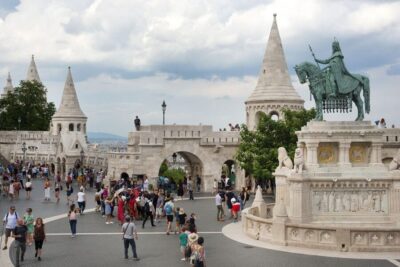 ★ 4.6Buda Castle District Walking TourFrom $142,108 reviews
 ★ 5.0Budapest City Landmarks Walking Tour in 2 HoursFrom $32,048 reviews
 ★ 4.83-Hour Orientation Walking Tour of Buda and PestFrom $411,834 reviews
 ★ 5.0Budapest Historical Sightseeing – Free Walking TourFrom $31,302 reviews
 ★ 5.0Budapest All in One Small Group Walking Tour with Strudel StopFrom $1001,277 reviews
 ★ 4.9Buda Castle District Walking Tour with a HistorianFrom $63867 reviews
 ★ 4.9BloodThirsty Hungary: Walking tour & Dark Historical StoriesFrom $21633 reviews
Browse the lists this tour appears in