
Tour review · BUDA CASTLE TOURS
Budapest: Buda Castle Walking Tour & Folk Music Performance
Castle Hill rewards your feet. This guided walk through Budapest’s Buda Castle District turns big-name sights into a story you can actually follow. You see the Matthias Church, Fisherman’s Bastion, and Royal Buda Palace, then the guide brings in the people behind the stones, from old court life to modern Budapest.
I especially love the way the tour mixes viewpoints with explanations. You’re not just standing and snapping photos. You learn what King Matthias changed, why Renaissance culture mattered here, and what’s up with the fountains the guide describes as bubbling with wine. For a second strong point, the finale is memorable: a live Hungarian folk music performance with singing and traditional dance steps led by the guide.
One heads-up before you go: monument entrances are not included. So you get mostly exterior viewing and context, plus perspectives from key spots. If you want to go inside everything, you’ll need to plan and pay extra for tickets on your own.
Key moments that make this tour worth your time
- UNESCO-listed Buda Castle District storytelling, not just sightseeing
- Matthias Church and Fisherman’s Bastion paired for two different vibes
- Tárnok Street walk-through of architectural styles from historical Hungary up to the 19th century
- Royal Buda Palace context focused on King Matthias and Renaissance Budapest
- Panoramic Pest-side viewpoints, including a funicular detail you can actually see
- Live folk singing and dance to end the tour in a very Hungarian way
More routes across Castle Hill and its viewpoints
- Budapest: Buda Castle Cave Tour★ 4.7 · 5,677 reviews
- Budapest: Buda Castle District Vampires and Myths Night Tour★ 4.6 · 3,830 reviews
- Budapest: Buda Castle District Walking Tour★ 4.6 · 2,108 reviews
- Buda Castle District Dark History, Legends and Vampire Night Tour★ 4.5 · 1,240 reviews
Where the tour starts, and how to spot your guide at Holy Trinity Square
You begin at the Holy Trinity Statue (Szentháromság-szobor) in Holy Trinity Square (Szentháromság tér). It’s an easy starting point, and the guide holds a board with the Maggino logo, a dark blue stork with an orange musical note in its beak, plus the MAGGINO name underneath.
This matters more than it sounds. Budapest’s Castle Hill area can feel like a maze if you arrive frazzled. Starting at a clear landmark helps you get oriented fast, and you’ll be less likely to wander while everyone else gets moving.
The tour runs about 2 to 2.5 hours, and it’s designed for walking in real streets, not a bus-and-point model. Bring comfortable shoes and dress for weather. The tour operates in all weather conditions, so plan for rain, wind, or sunshine, and you’ll be happier.
Matthias Church and Fisherman’s Bastion, two icons you’ll understand faster on foot
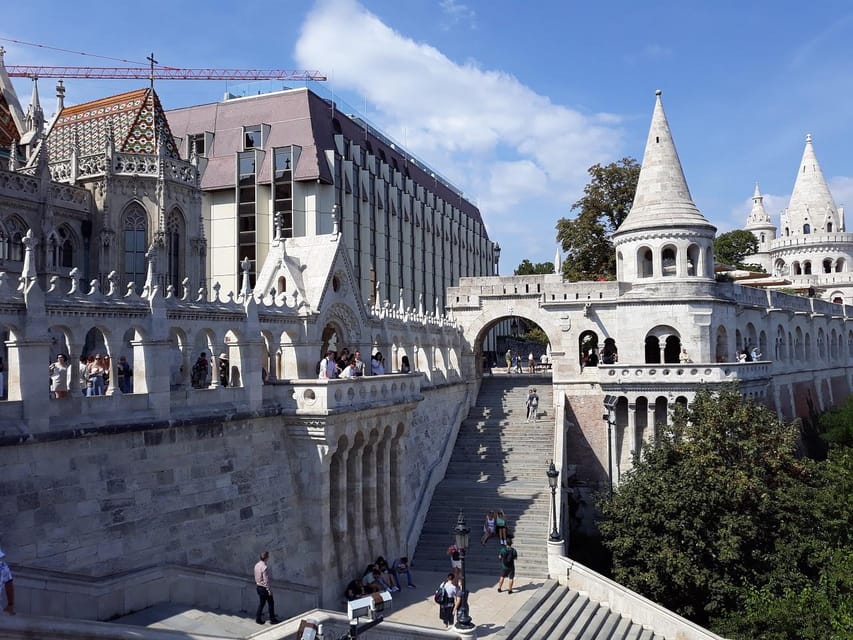
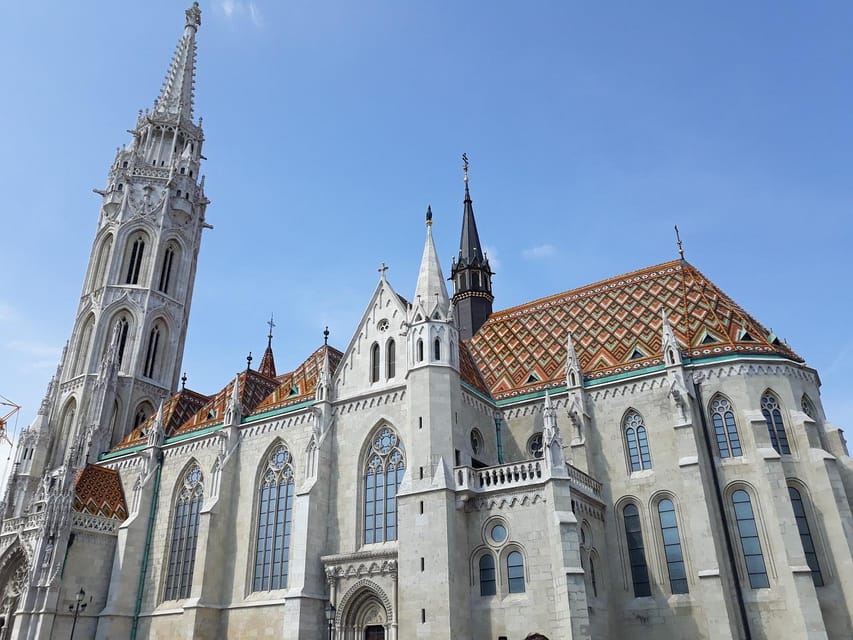
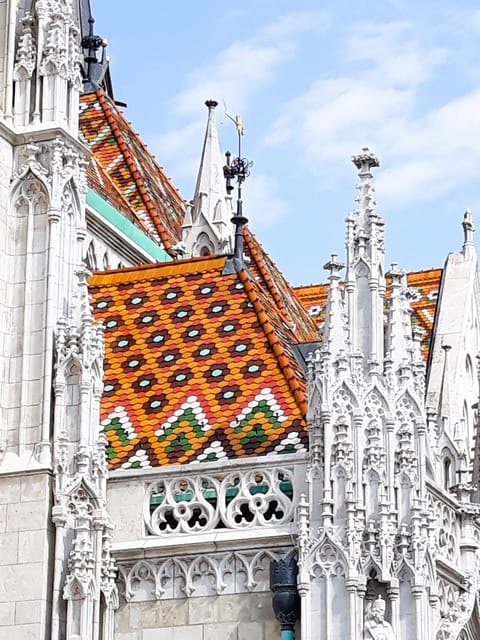
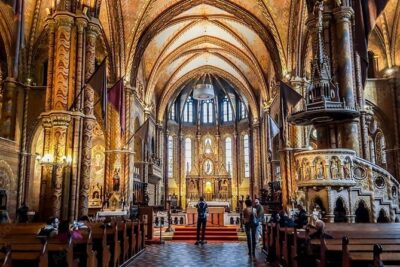
The first major stops focus on the Castle Hill core, starting with the Matthias Church, followed by Fisherman’s Bastion. The walking time between them is short, but the change in setting is big, and that’s where a guide earns their fee.
Matthias Church is one of those places where people rush. You see it, you photograph it, you move on. Here, you slow down just enough to connect it to the wider Castle Hill story. The guide’s explanations are framed around what made this area important to Hungary’s rulers, and why the church and nearby structures became symbols over time.
Then you shift to Fisherman’s Bastion, which works as a natural “pause button.” It’s a viewpoint moment. You get your bearings looking over the city, and the guide helps you connect the view to the history you just heard. If you’re the type who likes to know what you’re staring at, this pairing is a smart move.
Practical note: these are exterior visits. If you want to go inside Matthias Church, you’ll need to buy tickets separately. The tour still gives you a lot, but it’s not built around a full inside-the-building checklist.
Tárnok Street: where architectural styles stack up like a time machine
Next comes Tárnok Street, a block-and-corners part of the tour that often becomes a quiet favorite. It’s easy to miss if you walk through on your own. With a guide, you’re looking closely and learning what you’re seeing.
The tour highlights a street where you can discover architectural styles found in historical Hungary up to the end of the 19th century. The guide also points out that parts of buildings here are nearly 500 years old. That is the kind of detail that turns a stroll into something you remember.
This segment is also useful because it breaks up the “big monument” rhythm. You stop thinking only about famous landmarks and start noticing how ordinary spaces reflect political and cultural changes. It’s the difference between seeing a statue and understanding why the statue got placed there.
If you’re traveling with someone who only wants the highlights, this is where you’ll find common ground. It’s still visual and photo-friendly, but it also adds context.
Buda Castle Royal Palace: King Matthias, Renaissance culture, and wine-fountain stories
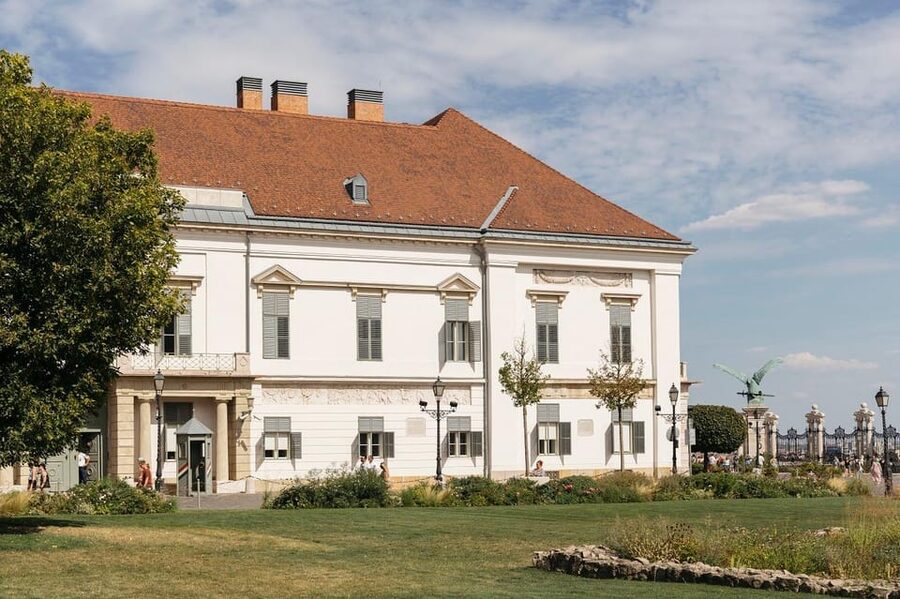
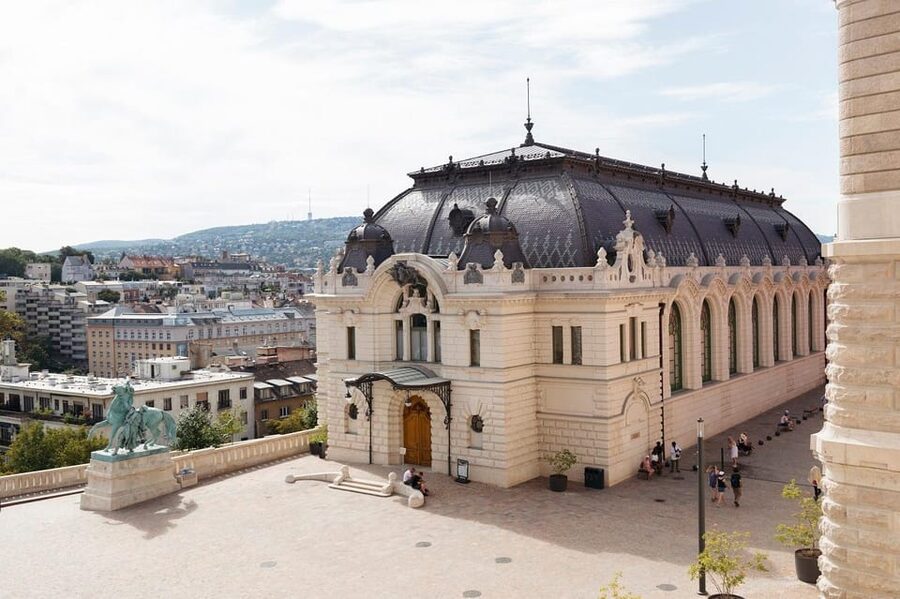
The longest stretch is the walk through the Royal Buda Palace, also called Buda Castle. You spend about 50 minutes on this part, including scenic views along the way. That timing is intentional. You’re not just arriving at the palace for a quick look and leaving. You’re absorbing the scale and learning the “why.”
The guide’s stories center on King Matthias and his role in making Buda Palace one of the Renaissance culture centers in Europe. That framing matters because it stops Budapest from feeling like a collection of random old buildings. Instead, you understand that this was a power and culture hub.
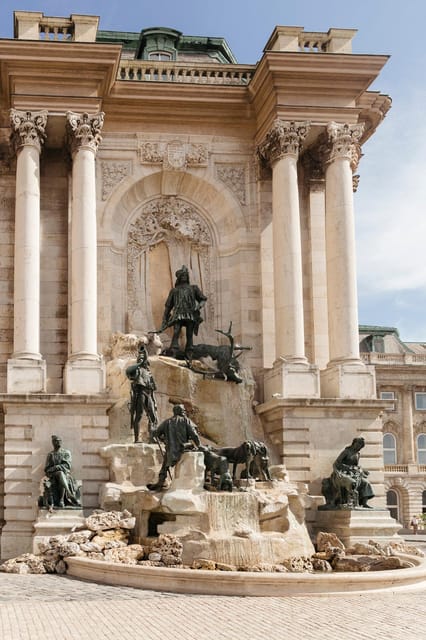
One of the more memorable details in the tour description is the image of granite fountains that bubbled with wine. It sounds like a dramatic tale, and that’s kind of the point. The best tours give you a mental picture you can replay later, and this kind of vivid storytelling helps you connect the palace to lived court life.
You’ll also learn about Hungary’s governmental presence nearby, including a stop for a viewpoint that includes two major governmental buildings. The guide uses this to connect past authority to what’s still here now.
Budapest on foot, with a few more routes to compare
- Budapest: Buda Castle District Walking Tour
★ 4.6 · 2,108 reviews - Budapest City Landmarks Walking Tour in 2 Hours
★ 5.0 · 2,048 reviews - 3-Hour Orientation Walking Tour of Buda and Pest
★ 4.8 · 1,834 reviews - Budapest Historical Sightseeing – Free Walking Tour
★ 5.0 · 1,302 reviews - Budapest All in One Small Group Walking Tour with Strudel Stop
★ 5.0 · 1,277 reviews
A small reality check
This is an exterior-focused experience. So you’re getting palace context and key moments, but you’re not doing a full interior route. If you want to see specific rooms, museums, or collections, consider pairing this tour with a separate ticketed visit afterward.
Pest-side panoramas and the funicular detail you’ll actually notice
One of the best reasons to do this walking tour is the Pest-side views. You’re shown a spot where the guide points out breathtaking panoramas across the river. It’s one of those moments where your photos will look great even if you normally take only “okay” pictures.
The guide adds a practical detail: you’ll learn about a funicular, described here as the second funicular built in Europe. Whether you already knew about it or not, knowing what to look for turns the view from pretty into informative.
This stop is also useful because it helps you understand Castle Hill’s role as a strategic lookout. The geography drives the story. People chose where to build based on visibility and access. You feel that logic more clearly when you pause at the right viewpoint.
If you’re visiting in hot weather, take a second here and slow down. You’ll appreciate the views more, and your legs will thank you later.
Tóth Árpád sétány: scenic final walking stretch, then the folk performance
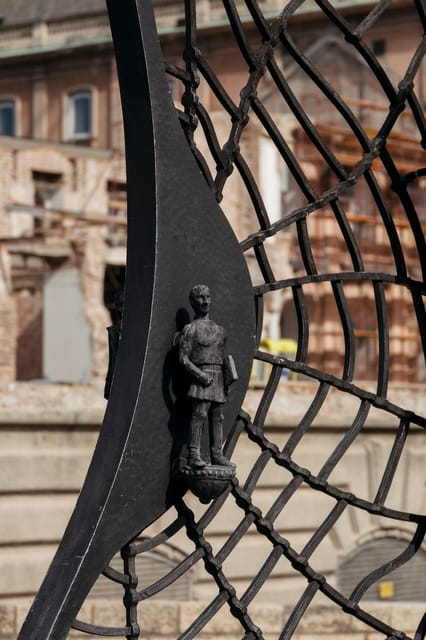
After the main palace area, you continue to Tóth Árpád sétány, a scenic stretch with about 15 minutes of walking and views. This part feels calmer. You’re transitioning from the big monument zone into the return toward your starting point.
This is also a smart timing trick. By the time you reach this segment, you’ve built the story in your head: church, fortifications, street life, palace power. The promenade makes room for reflection before the tour’s emotional closer.
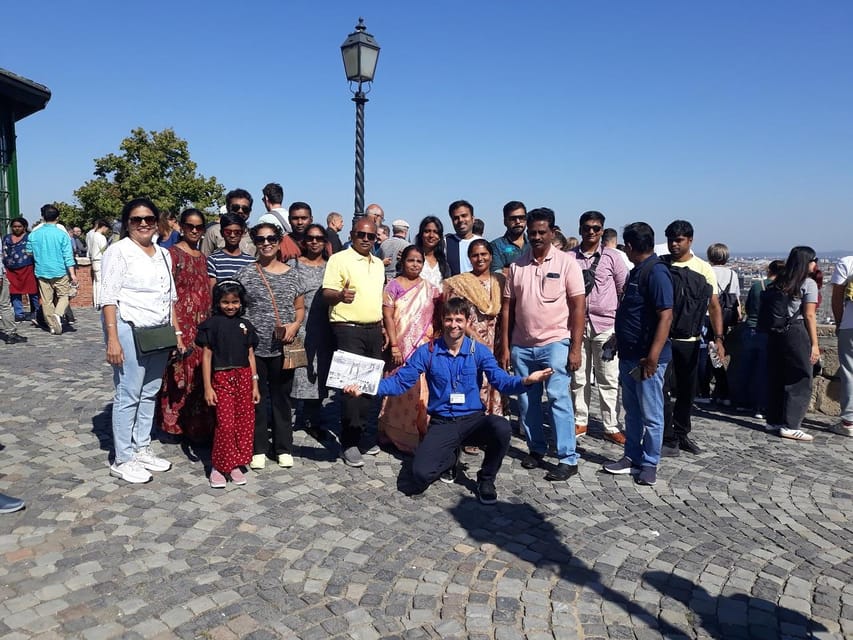
And then comes the ending that makes the tour feel different from the typical “stones and dates” walking routine. The guide entertains you with a special Hungarian folk music performance, described as singing Hungarian folk songs and showing traditional folk dance steps.
In the past, guides associated with this style of tour have added strong personal touches, like family stories and a showman’s approach to keeping people engaged. You also might hear songs that connect to different regions of Hungary, which helps you realize folk music is not one single thing. It’s a whole set of traditions.
Even if you’re not a “music person,” this finale works because it resets the mood after standing in monumental spaces. Your brain shifts from facts to feeling.
Price and value for $58: what you’re really paying for
At $58 per person for a 2 to 2.5 hour guided experience, the value is strongest when you care about interpretation. This isn’t a cheap route because you’re paying for:
- a licensed Hungarian guide
- guided walking through multiple key areas of the UNESCO-listed district
- a live folk music performance included in the tour
Most “Buda Castle tours” stop at narration. Here, you’re getting a performance element at the end, which changes what you remember. You leave with something more than photos.
What’s not included is equally important. Entry tickets to monuments are not included, so you should treat this as a guided exterior experience with context, plus views. If you want to go inside, budget extra for tickets.
If you’re comparing value to other options, look at time too. You’re spending a solid block of time on foot, enough for a real guided flow, not a quick drive-by.
Logistics that matter: shoes, weather, and group style
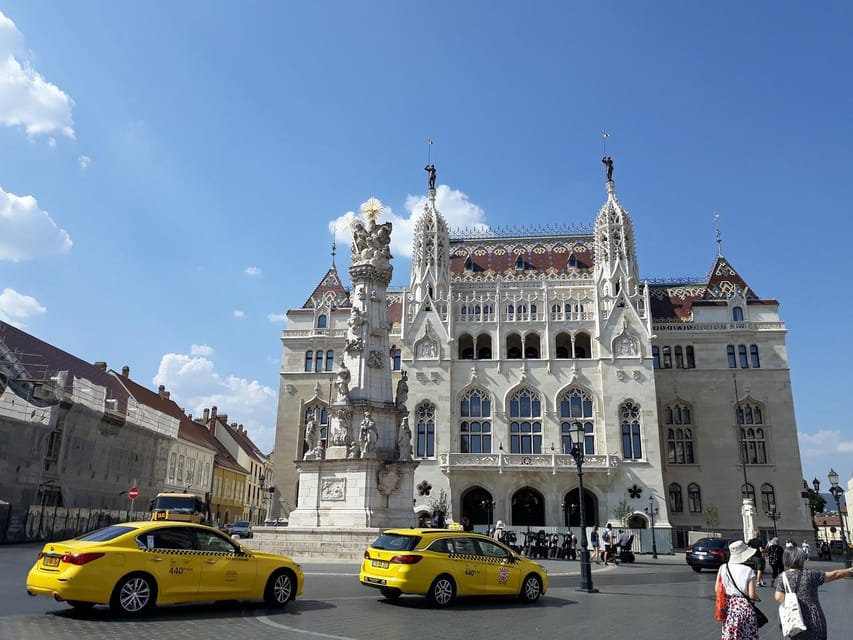
This tour runs in all weather. That means you should bring weather-appropriate clothing and expect to walk on uneven surfaces. Comfortable shoes are non-negotiable on Castle Hill.
The tour is in English, and it’s offered as private or small groups. Small group touring is often where you get better questions answered and a more personal feel, which fits this tour’s interactive style.
Also, note the tour rules: no alcohol or drugs, and no explosive substances. It’s a straightforward guideline, but it reinforces that the performance part stays focused.
For meeting your guide, aim to arrive a few minutes early at Holy Trinity Square. Seeing the Maggino logo board makes it easy to match the right group quickly.
Who this tour suits best, and who might prefer another option
You’ll likely love this tour if:
- you enjoy history told through stories, not just dates
- you want great Castle Hill landmarks plus viewpoint time
- you like experiences that end with something cultural, not a last stop and goodbye
You might want to choose a different style if:
- you only care about monument interiors and want full ticketed access
- you hate walking on uneven hillsides
- you want a long, museum-style pace instead of an on-foot half-day
One extra note for private or very small groups: it’s possible to get added flexibility. In at least one private scenario, an extra church stop has happened alongside the main plan, so if you want more “inside” time, asking the guide about available options can be worthwhile.
Should you book this Buda Castle walk with folk music?
Yes, if your idea of a great Budapest afternoon includes both storytelling and a real cultural finish. The pairing of Matthias Church, Fisherman’s Bastion, and the Royal Buda Palace context, plus the Pest-side views, gives you a strong sense of place. And the live Hungarian folk music performance makes it more than a standard sightseeing loop.
Book it especially if you care about understanding why King Matthias mattered, how Renaissance culture showed up here, and how everyday Hungarian culture connects to these historic spaces. If you’re comfortable paying a bit extra for interpretation and a performance finale, you’ll get your money’s worth.
If you’re mainly chasing inside-the-building ticket time, plan that separately. But if you want a guided walk that turns Castle Hill into a narrative, this is a smart choice.
Keep Walking Budapest






Keep Exploring Castle Hill




More Tour Reviews in Budapest






Recently added around Budapest




Buda Castle Tours, compared.
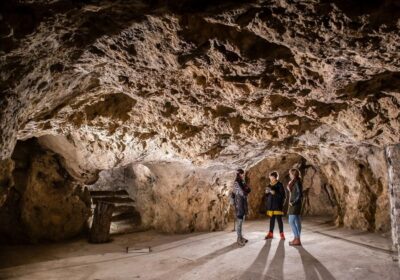 ★ 4.7Buda Castle Cave TourFrom $195,677 reviews
 ★ 4.6Buda Castle District Vampires and Myths Night TourFrom $233,830 reviews
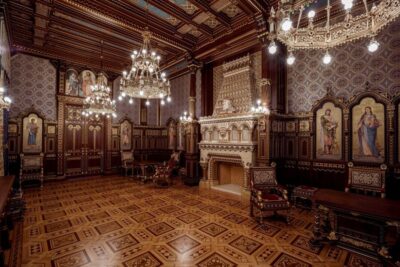 ★ 4.5Buda Castle Walk with Saint Stephen’s HallFrom $293,012 reviews
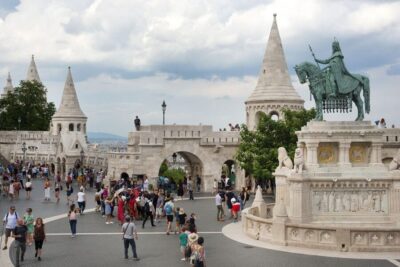 ★ 4.6Buda Castle District Walking TourFrom $142,108 reviews
 ★ 4.5Buda Castle District Dark History, Legends and Vampire Night TourFrom $211,240 reviews
 ★ 4.9Buda Castle District Walking Tour with a HistorianFrom $63867 reviews
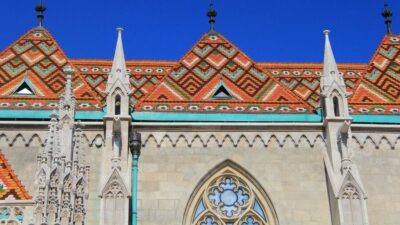 ★ 4.6Classical Music Concerts in Matthias ChurchFrom $70792 reviews
 ★ 4.6Matthias Church Entry TicketFrom $25787 reviews
Browse the lists this tour appears in