
Tour review · WALKING TOURS
Budapest Jewish Cuisine & Culture Walk
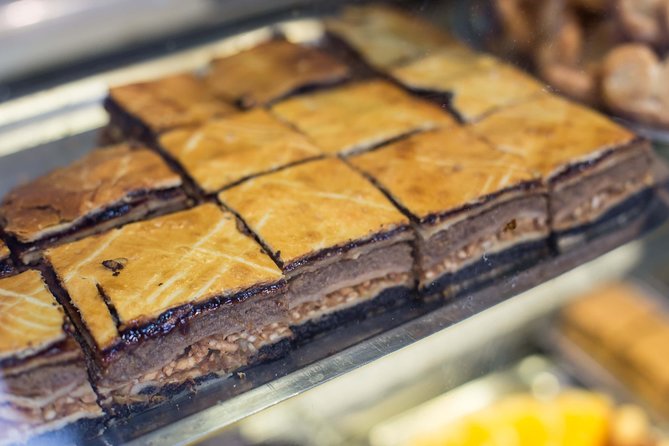
Budapest tastes like history in motion. This 4-hour Jewish cuisine and culture walk in the Seventh District pairs WWII context with real food stops, starting with the Moorish exterior you’ll see along the way and ending with a drink that locals take seriously. I love the mix of synagogue-area sights and classic Jewish bites like flodni and turos taska.
One thing to plan for: the exact tasting menu and lunch details can vary day to day, so go with a flexible mindset about what you’ll eat in the middle of the tour.
I also like the small-group feel. With a limit of up to six people on this format (and a stated max of eight), you get better pacing and more chance to ask questions. Plus, the tour includes lunch with wine, not just snack stops, which makes the time feel like good value instead of rushed sightseeing.
Jewish Quarter Walk: The Seventh District’s Story, in Food and Footsteps
Budapest’s Jewish Quarter is one of those places where you can’t separate what happened from what you eat today. The Seventh District has medieval street patterns, Jewish community landmarks, WWII memorial markers, and then the modern restaurant and bar scene that grew out of it. This walk helps you stitch all of that together fast, with food stops that make the history personal instead of abstract.
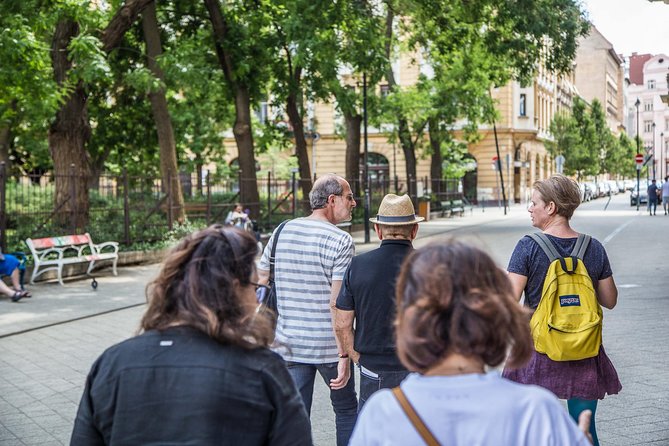
The route starts in the neighborhood where you’ll actually feel the mix of old and new. You’ll be walking among leafy streets and neoclassical buildings, then gradually into areas associated with the WWII Jewish ghetto and the sites tied to that tragedy. What you end up with is a practical sense of where things are, and a real understanding of why people still talk about this district.
And yes, you’ll eat. Not one or two small tastes, but multiple stops that cover both savory and sweet. If you like learning through your stomach, this is your kind of tour.
Budapest on foot, a few more ways
- Budapest: Buda Castle Walk with Saint Stephen’s Hall★ 4.5 · 3,012 reviews
- Big Bus Budapest Hop-On Hop-Off Bus and Walking Tour★ 3.5 · 2,206 reviews
- Budapest: Buda Castle District Walking Tour★ 4.6 · 2,108 reviews
- Budapest City Landmarks Walking Tour in 2 Hours★ 5.0 · 2,048 reviews
Getting Oriented at Madách Imre tér (and Why the 11:00 Start Helps)
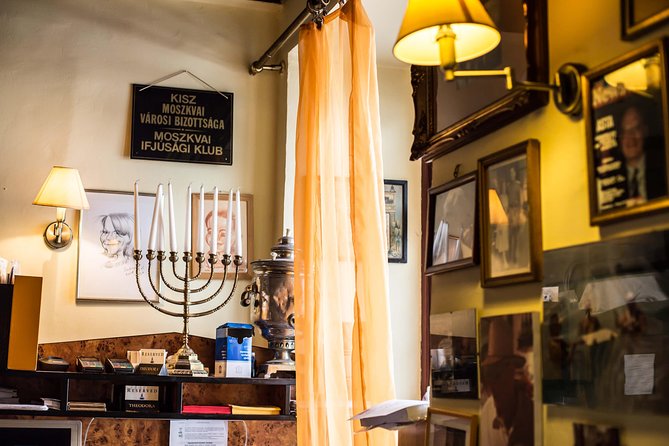
The tour meets at Madách Imre tér at 11:00 am, then returns you to the same spot when you’re done. That matters because you’re not spending half the day figuring out transit or backtracking. The meeting area is also described as near public transportation, so you can arrive without drama.
Most of the day’s progress happens on foot in the Seventh District. The upside is you learn the neighborhood layout as you go. The downside is you should wear comfortable shoes. This is a walking tour, and even though the listed duration is about 4 hours, some reviews noted it can run closer to 5 to 6 hours depending on pace and day.
If you’re sensitive to walking time, I’d plan a slower afternoon after the tour. If you’re not, this can be a strong anchor for your trip because it gives you orientation for the rest of the Jewish Quarter and beyond.
WWII Ghetto to Modern Neighborhood: What You’ll Learn as You Walk
The heart of the experience is the story your guide tells while you move between sites. You’ll hear how the district grew from medieval roots into a thriving Jewish community, then how WWII shattered that life by turning the area into a Jewish ghetto. This is not just a timeline read from a plaque. The walking format makes the context feel grounded because you see the streets and buildings where the story happened.
Then the tour brings you to the part that explains why Budapest today has such a strong Jewish cultural footprint. Survivors and the remaining community helped build foundations for what came next, which is why you see bars, restaurants, and cultural tributes in the same streets where memorials mark loss. That contrast is emotional, but it also helps you understand why the neighborhood is not stuck in the past.
I also like that the tour doesn’t only talk about tragedy. You get a view of how people formed community spaces again, and how that shows up in what’s popular now. You’ll walk past places that feel artsy and local, not just museum-style stops.
A practical tip: bring your curiosity. Your questions will be worth it. Multiple reviews praised guides who could connect food, local Budapest history, and Jewish history in plain language, so don’t be shy about asking what something means.
Dohány Street Synagogue and WWII Memorial Stops: Seeing Without Missing the Point
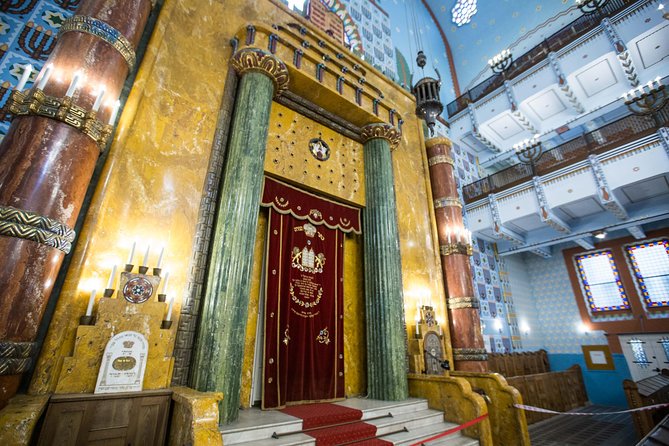
Along the way, you’ll be shown the Dohány Street Synagogue area, including a pause to admire the Moorish-style exterior of what’s described as Europe’s largest synagogue. Importantly, the tour includes an entrance fee to a synagogue, but it also specifically notes that entrance fees to the Dohány Grand Synagogue are not included. So think of this tour as a guided route that helps you see the key landmarks and context, while leaving the major paid interior visit as something you may add separately if you want it.
The WWII component is handled seriously. You’ll stop to view memorials to Jewish victims tied to WWII, and your guide will help you connect those markers to what happened in the area. This is one of the reasons the tour feels more than just an eating crawl. The memorial stops give the food tasting a deeper meaning, because you understand what was lost and why remembrance matters.
There’s also a street-art and design-shop element. You’ll see how the neighborhood has grown into an artsy, fashionable place. That can feel surprising at first, but it makes sense when you understand the district’s post-war transformation.
If you’re visiting on a day when major synagogue access is affected, you might find some spaces closed. One review specifically called out a Saturday situation where certain synagogue/museum access was closed and the group instead focused on the neighborhood and exterior sites. If you’re aiming for specific interior access, it’s smart to plan that separately.
Food Stops That Actually Teach You Budapest Jewish Cuisine
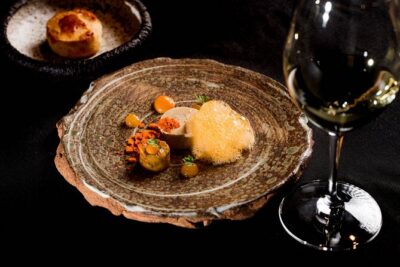
This is the part you’ll probably remember first: the food. The tour is designed as culinary learning, not just sampling. The tasting menu varies by day and availability, but you may try items like turos taska (curd-cheese pastries) and flodni (a sweet pastry). Savory bites can include things like sausage and goose crackling, so you get both sides of the flavor story.
Here’s why I like this approach: you’re not handed a random assortment. You’re tasting through what’s traditional and what locals still eat, then linking it to the community’s history and daily life. A couple of reviews singled out specific comfort-food items, including matzo ball soup, with real enthusiasm.
If you worry you won’t like the food, remember two things. First, the tour lets you see a range of textures and flavors, not one heavy dish. Second, the exact set can vary, and your guide is working with what’s available. That means you might get your best match, or you might get one dish you skip later in the day.
That variability is the only drawback I’d take seriously. One review mentioned disappointment with lunch selection, even while praising the guide and tastings overall. So if you have strict food preferences, tell your operator in advance about what you do or don’t eat. The tour data explicitly asks you to advise dietary requirements when booking.
- Budapest: City Highlights Cruise with Welcome Drink
★ 4.6 · 35,610 reviews - Budapest: Unlimited Prosecco, Beer and Aperol Spritz Cruise
★ 4.8 · 25,310 reviews - Budapest: Széchenyi Spa Day Ticket with Optional Upgrades
★ 4.3 · 23,911 reviews - Budapest: Nighttime or Daytime Sightseeing Cruise
★ 4.2 · 21,062 reviews - Budapest: 1-Hour Evening Sightseeing Cruise with Drink
★ 4.5 · 8,330 reviews
Lunch, Wine, Coffee, and Kosher Pálinka: The Best Way to End a History Walk
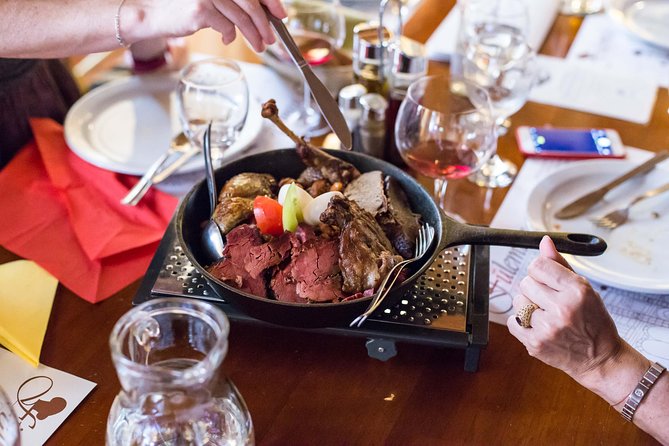
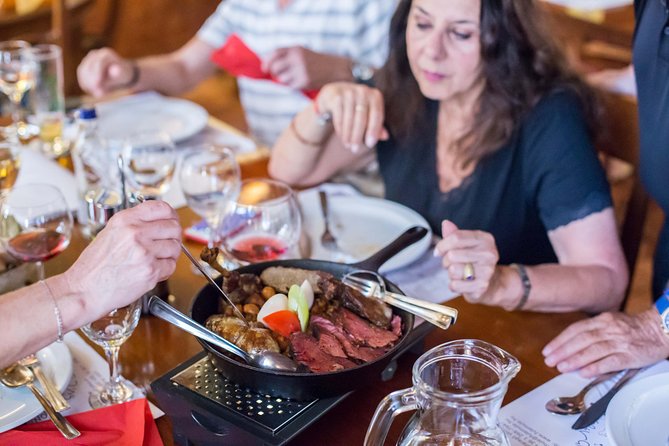
After the sightseeing and multiple tastings, you land on a proper traditional Jewish lunch at a restaurant. This meal is described as including items such as solet (Hungarian bean stew) and goose soup, plus wine.
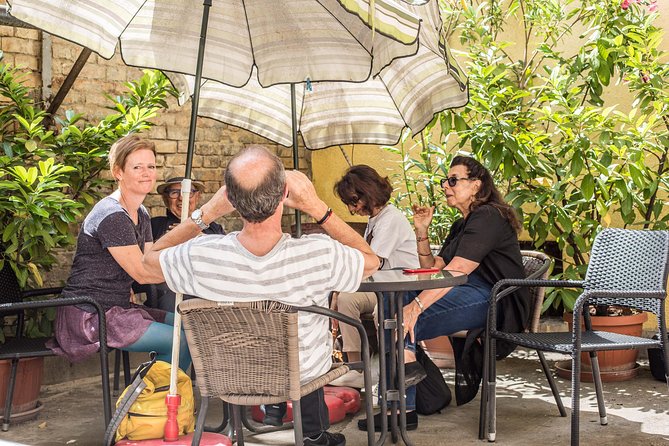
What makes this lunch feel like value is the full experience, not just the food. You get time to chat with your guide and companions. And you’re not spending extra money to find and order food once you’re already hungry, which is a common trap on food tours.
Then there’s a coffee stop to reset. After that, the finale shifts to drinks, where you’ll have kosher pálinka. The tour notes that this is typically at a ruin pub or a local wine bar. Ruin pubs are a major part of Budapest nightlife culture, and adding pálinka makes the ending feel local and festive, not just ceremonial.
One thing to keep in mind: you’re drinking as part of a guided schedule. If you’re sensitive to alcohol, consider pacing yourself and sipping slowly. Also, plan your evening accordingly.
And if you’re wondering about the exact order, it’s designed to flow from history to eating, then from coffee to a final drink. Even when the precise tastings change, the structure stays the same.
Price and What You’re Really Paying For at $155
At $155 per person for an approximately 4-hour walk, this tour is not bargain-basement priced. But it’s also not just a guide fee. You’re paying for multiple food tastings, drinks tastings including pálinka, a lunch with wine, and a paid synagogue entrance fee (with the note that Dohány Grand Synagogue entrance is not included).
For most people, that combination is what makes the value click. You’re getting several stops and meals bundled together, and you’re not wasting time figuring out what to eat, where, and how to pronounce it. You’re also getting an English-speaking guide, plus a small-group setting that helps the pacing feel human.
One more value point: the guides mentioned in reviews ranged from people raised in Budapest to guides with graduate-level study in Jewish history. Several reviews praised organization and clear storytelling that connected Budapest history, Jewish history, and the meaning behind food. That kind of guide skill is hard to replicate on your own, even if you’re good at reading plaques.
If you’re the type who loves a self-guided wander, you could piece together the Jewish Quarter sights and buy pastries. But you’d miss the connective tissue, plus you’d likely spend as much time and money searching for the right food stops.
Who This Tour Fits Best (and Who Might Want a Different Plan)
I think this is best for you if you want a guided route through the Budapest Jewish Quarter that’s more meaningful than a photo stop. It’s also ideal if you like learning through food tastings and you don’t mind walking in the middle of a history lesson.
You’ll probably enjoy it even more if:
- You’re visiting for the first time and want fast orientation in the Seventh District
- You like memorial context paired with cultural survival and modern life
- You’re happy to eat a mix of sweet and savory pastries and comfort-style dishes
- You want a group experience with time for questions
It might be less satisfying if:
- You only care about the Dohány Grand Synagogue interior visit, since entrance there is not included
- You have very strong food dislikes and don’t communicate them ahead of time
- You’re expecting a pure museum style day, since the walk includes bars and ruin-pub drinks
Quick Tips So You Enjoy Every Bite
A few practical choices can make this tour smoother.
Eat lightly before you go. A review specifically suggested doing a lighter breakfast because there’s enough food on the tour to skip dinner. You’ll likely snack your way through several tastings before lunch, then follow with coffee and alcoholic drinks.
Wear comfortable shoes and bring a jacket if the weather turns. Budapest can shift quickly, and you’ll be outside for much of the experience.
Finally, if you’re aiming for specific interior synagogue access, consider pairing this tour with a separate plan for the Dohány Grand Synagogue since it’s not included here.
Should You Book This Budapest Jewish Cuisine and Culture Walk?
If you want a guided blend of Seventh District history, WWII memorial context, and real Jewish food, I’d book this. The small-group size, strong guide reviews, and the fact that your meal includes wine plus the pálinka finale make it feel like a complete experience rather than scattered tastings.
Do consider this choice if you’re happy with a view-first approach to Dohány Street Synagogue, knowing entrance there is not included. Also, if you have dietary needs, message them during booking so the operator can steer you to options that work for you.
If you want your Budapest day to feel both thoughtful and delicious, this walk is a solid bet. It’s the kind of tour that helps you leave with a map in your head and flavors in your memory.
FAQ
What time does the Budapest Jewish Cuisine & Culture Walk start?
It starts at 11:00 am and the tour ends back at the meeting point.
Where is the meeting point?
The meeting point is Madách Imre tér, Budapest, Hungary.
How long is the tour?
The duration is listed as about 4 hours.
What’s included in the price?
The tour includes an expert guide, food tastings, drinks tastings including pálinka, lunch with wine, and an entrance fee to a synagogue.
Is entry to the Dohány Grand Synagogue included?
No. Entrance fees to the Dohány Grand Synagogue are not included.
Can I bring up dietary requirements?
Yes. You should advise any specific dietary requirements at the time of booking. The tour also notes most travelers can participate.
What if I cancel?
This experience is non-refundable and cannot be changed for any reason.
More Walking Tours in Budapest






More Tour Reviews in Budapest






Recently added around Budapest



Walking Tours, compared.
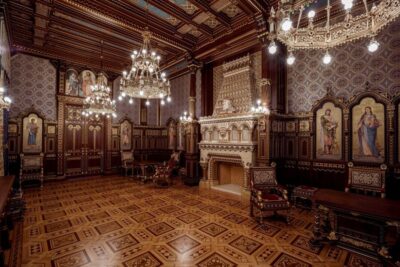 ★ 4.5Buda Castle Walk with Saint Stephen’s HallFrom $293,012 reviews
 ★ 3.5Big Bus Budapest Hop-On Hop-Off Bus and Walking TourFrom $422,206 reviews
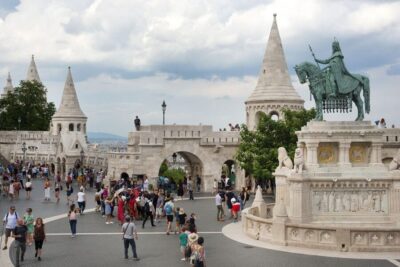 ★ 4.6Buda Castle District Walking TourFrom $142,108 reviews
 ★ 5.0Budapest City Landmarks Walking Tour in 2 HoursFrom $32,048 reviews
 ★ 4.83-Hour Orientation Walking Tour of Buda and PestFrom $411,834 reviews
 ★ 4.33-Hour Grand City Tour and Castle WalkFrom $491,437 reviews
 ★ 5.0Budapest Historical Sightseeing – Free Walking TourFrom $31,302 reviews
 ★ 5.0Budapest All in One Small Group Walking Tour with Strudel StopFrom $1001,277 reviews
Browse the lists this tour appears in