
Tour review · BUDAPEST JEWISH QUARTER TOURS
Budapest Jewish Heritage: Synagogues, Shoes, Secrets & Flódni
Jewish Budapest feels personal on this walk. You’ll trace centuries of Hungarian Jewish life through synagogue architecture and WWII-era sites, from Herzl Square to the Danube. It ends with a proper taste of tradition: flódni.
I especially like that this is led by a Jewish historian guide, not a script read off a phone. I also love the balance of big landmarks and human stories, including a respectful stop at Shoes on the Danube Bank.
One drawback to consider: synagogue entrance tickets are not included, and the tour is centered on heritage and historical context rather than a minute-by-minute account of every survival tactic.
Key highlights at a glance
- Expert-led Jewish guide who can answer questions and connect landmarks to the people behind them
- Great Synagogue of Budapest explained for both architecture and the WWII fate of Hungarian Jewry
- Three synagogue stops across different styles and Jewish communities, from Neolog to Orthodox
- Shoes on the Danube Bank memorial with time to look and reflect, plus its ticket is included
- Carl Lutz Memorial recognizing a Swiss diplomat’s role in saving tens of thousands
- A final flódni finish on Dohány Street, turning the walk into something you can taste
More stories from the Jewish Quarter and District VII
- Budapest Jewish Heritage Memorial Walking Tour & Synagogue Entry★ 5.0 · 568 reviews
- Budapest: Jewish Heritage Guided Tour with Synagogue Ticket★ 4.8 · 533 reviews
- Jewish Quarter of Budapest Walking Tour★ 4.7 · 369 reviews
- Budapest: Best of Downtown and Jewish Quarter Tour★ 5.0 · 312 reviews
Jewish Budapest on Foot: What This Private Heritage Tour Does Best
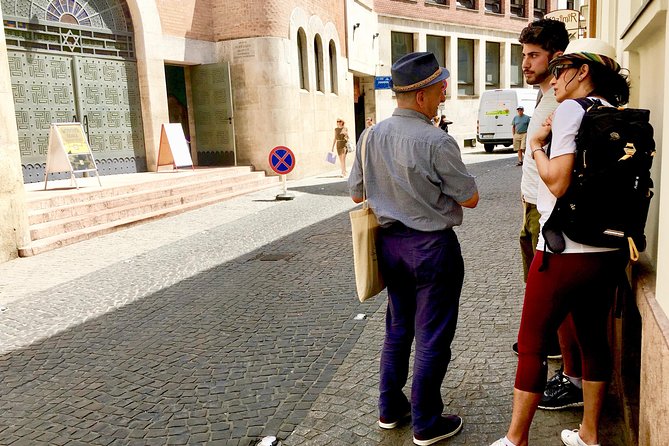
This tour is built around one simple idea: history sticks better when you’re standing in the real places where it happened. You walk through the Jewish Quarter, with major landmarks tied to WWII ghetto life and the community that shaped Budapest before the catastrophe.
The format matters, too. It’s a private tour, so you can ask questions and move at a pace that doesn’t feel rushed. You’re not stuck listening to someone speed through facts while you try to keep up.
Finally, the ending is smart. Flódni is not an afterthought. It gives the experience a gentle landing, a reminder that Jewish life in Hungary includes everyday culture, not only monuments.
Start at Herzl Square: The Great Synagogue as a Story Engine
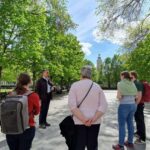
You begin near Herzl Square and the Great Synagogue, then settle into the Jewish Quarter on a guided walk that points out the WWII ghetto area and what changed in 1944. Even before you enter, your guide sets the scene so each building feels like part of one ongoing story.
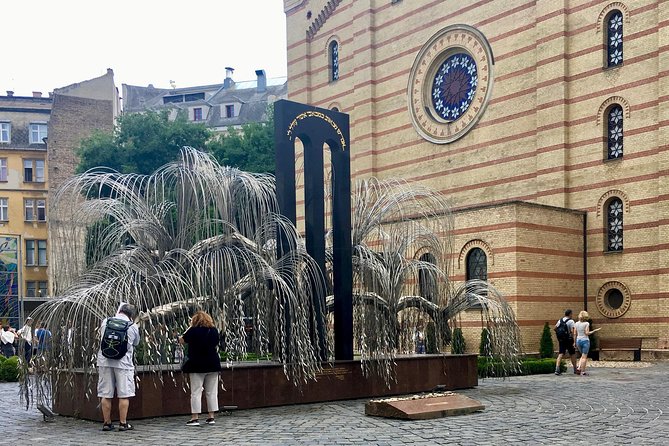
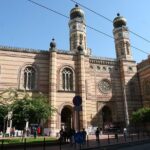
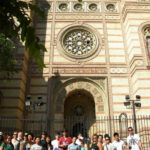
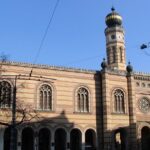
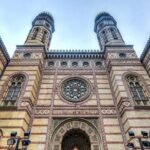
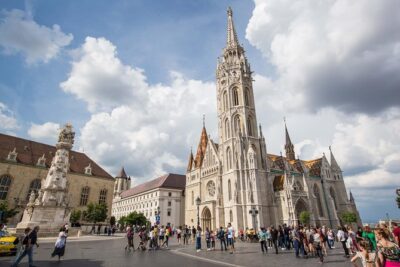
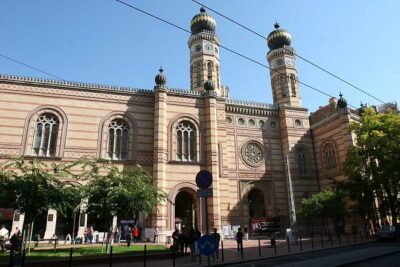
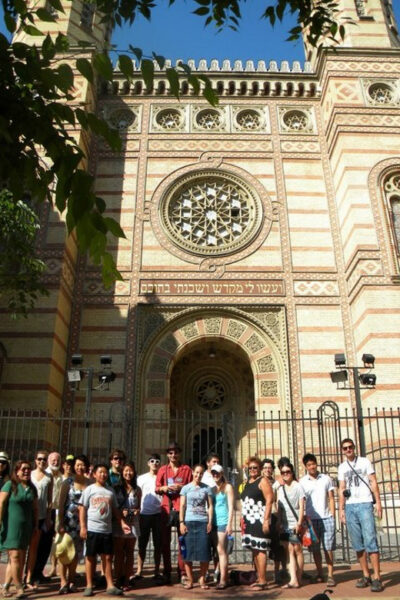
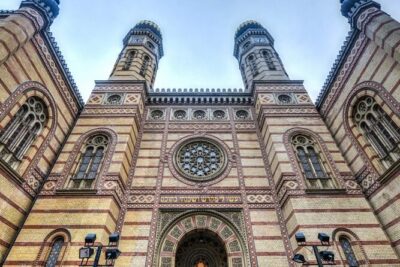
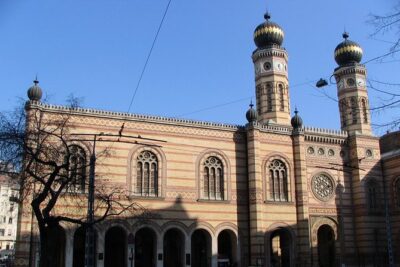
At the Dohány Street Great Synagogue (Nagy Zsinagóga), you learn why this place is so famous. It’s the largest synagogue in Europe, with seating for 3,000, and it served the Neolog Jewish community. The guide also focuses on two sides of the same coin: the synagogue’s striking architecture and what happened to Hungarian Jewry during the Second World War.
This stop works well if you like context. You’re not only looking at a landmark. You’re hearing how a community’s identity, faith, and public presence collided with Nazi-era persecution. And yes, you’ll hear about internationally famous Hungarians who were Jewish, which helps make the past feel less distant.
Practical note: this is a time-boxed stop (about 20 minutes on site), so if you want extra time inside the sanctuary, you’ll likely need to plan for that separately, since entrance tickets are not included.
Two Different Synagogues: Rumbach and Kazinczy Architecture Explained
After the Great Synagogue, the tour shifts tone with two synagogues that feel different in character and style. That contrast is one of the best ways to understand that Hungarian Jewish life was not one single thing. It was multiple communities, each with its own traditions and visual language.
First comes the Rumbach Street Synagogue, the Moorish-style Rumbach Sebestyén utca Synagogue. It was built in 1872 by Otto Wagner, an Austrian Secessionist architect. This one belonged to the “moderate Conservative” community, so your guide explains how religious practice and community identity can show up in the way a building looks and feels.
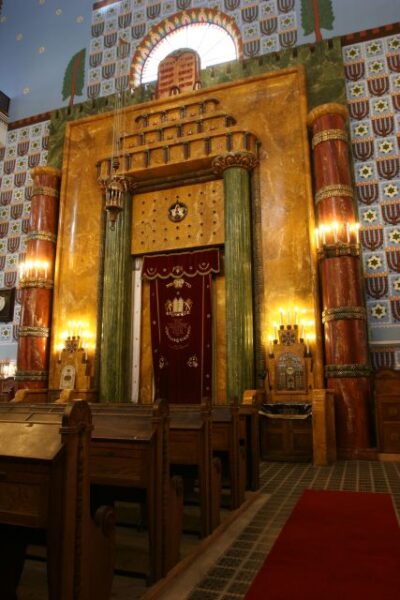
Then you move to the Kazinczy Street Synagogue, an Orthodox synagogue built in 1913. The surprise here is how modern it was for its time, with late Art Nouveau touches and bright interior colors. The stained-glass windows in the ceiling were designed by Miksa Róth, and that detail is the kind of thing that makes you slow down and actually look.
Both stops are shorter than the Great Synagogue, roughly 15 minutes for Rumbach and 10 minutes for Kazinczy. That can be good if you want a focused overview. Just know it’s not a deep architectural study, and entrance tickets are not included for these synagogues either.
If you enjoy asking questions, this is where your guide can really help. Architecture can feel like random decoration unless someone connects it to community values and historical timing.
Carl Lutz Memorial: The Names Behind the Numbers
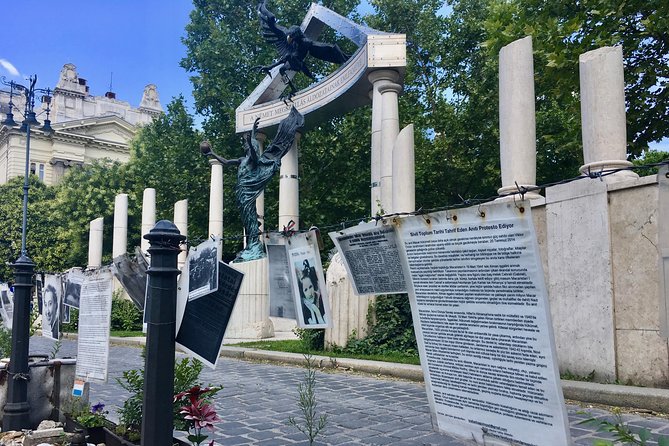
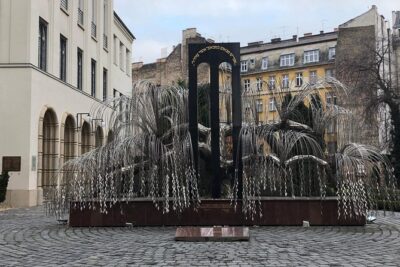
One of the tour’s most important stops is also brief: the Carl Lutz Memorial. During the war, Carl Lutz, a Swiss diplomat, helped save tens of thousands of Jews in Budapest from persecution and deportation.
It’s located in the area of the former Budapest ghetto, so the location itself does some heavy lifting. Even with limited time (about 10 minutes), this stop gives you a different angle on WWII. Not only loss and terror, but also the efforts of people who used their position to help others.
I like memorials like this because they resist vague emotion. They give you a real name, a real role, and a real result. That makes it easier to connect emotionally without getting lost in generalities.
More Budapest ideas for the space still left in the itinerary
- Budapest: Historic Cruise with Welcome Drink
★ 4.7 · 6,512 reviews - Budapest Historical Sightseeing – Free Walking Tour
★ 5.0 · 1,302 reviews - Buda Castle District Dark History, Legends and Vampire Night Tour
★ 4.5 · 1,240 reviews - BloodThirsty Hungary: Walking tour & Dark Historical Stories
★ 4.9 · 633 reviews - Budapest Jewish Heritage Memorial Walking Tour & Synagogue Entry
★ 5.0 · 568 reviews
Shoes on the Danube Bank Memorial, April 16, 2005
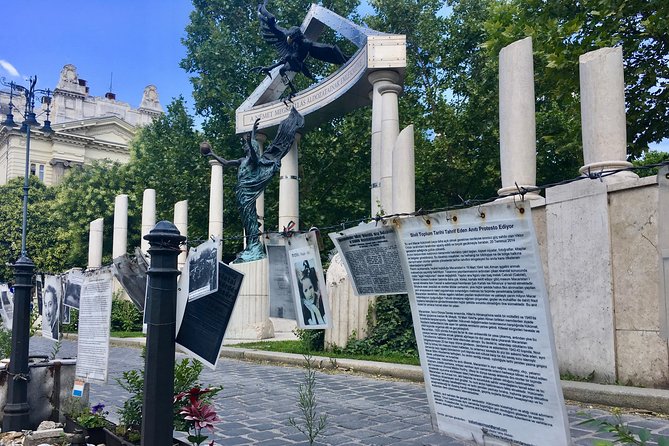
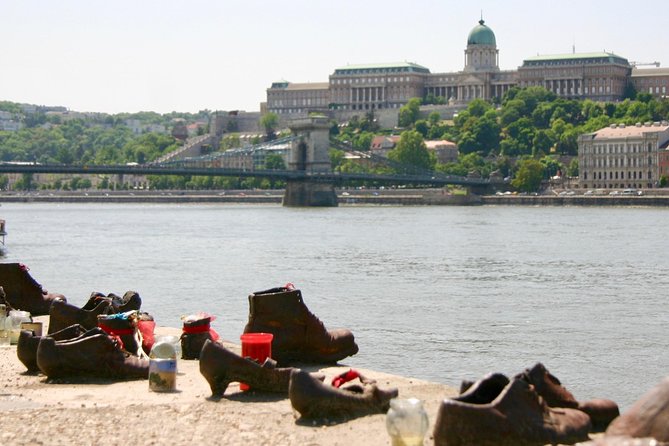
Then comes the stop that many people remember as the most hard-hitting: Shoes on the Danube Bank. The memorial was unveiled on April 16, 2005, and it marks Jewish victims who were murdered at this site during WWII.
Here’s the reason it lands so strongly. People were forced to remove their shoes before being shot at the riverbank, and their bodies were carried away by the Danube. The sculpture shows shoes left behind, turning an object people take for granted into the focal point of remembrance.
You’ll spend about 10 minutes, and you should treat it as slow-looking time, not a photo mission. If you’re tempted to race ahead, pause. This site is designed to make you notice the human scale hiding in something as small as footwear.
One benefit for practical planning: the admission ticket is included for this stop.
Inside the WWII Jewish Quarter, Wall Remnants and Ghetto Secrets
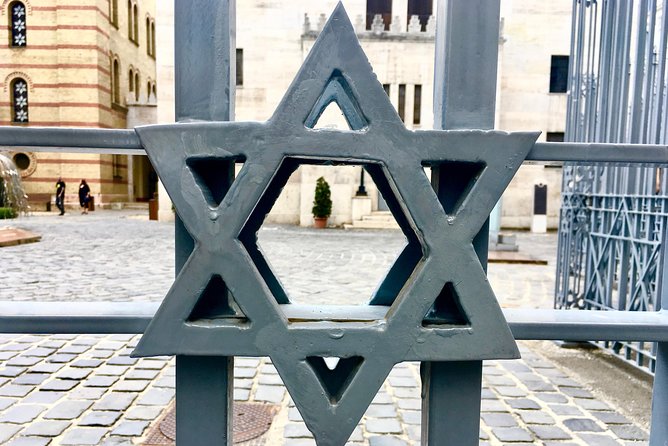
As the walk continues, you move through the heart of the Jewish Quarter story. Near the end of WWII, Budapest’s Jews were herded into a ghetto, and your guide points out that a small section of the ghetto wall still stands in the area.
This stop is listed for about 15 minutes, and it’s where the tour’s theme becomes very clear: the city’s geography is part of the story. Even when buildings have changed, boundaries and traces can remain, shaping daily life and telling you where people were forced to go.
Your guide will explain ghetto life and the eventual fate of inmates. This is also a good moment to ask questions about what you’re seeing outside, because the Jewish Quarter doesn’t look like the WWII ghetto today. What you can’t visually “see” anymore, your guide tries to help you reconstruct through details.
One heads-up if you’re coming with a very specific expectation: this tour is centered on Jewish heritage and historical context. If your main goal is a highly detailed, step-by-step account of protection attempts and day-to-day survival tactics, you might want to pair this with another kind of Holocaust-focused experience. The tone here is more about understanding the broader arc and the community’s life.
Flódni on Dohány Street: Ending With Jewish Food and Continuity
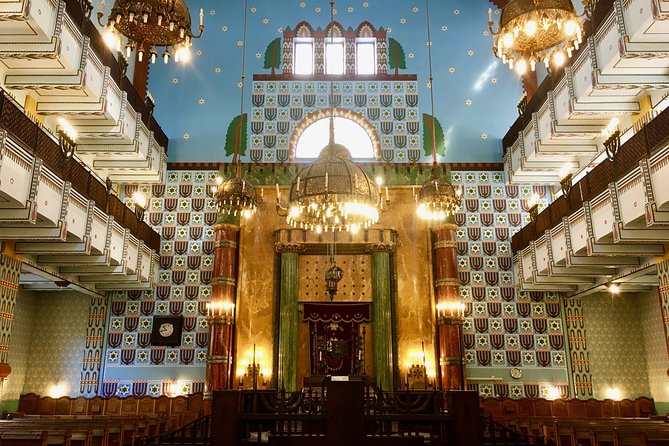
The tour finishes on Dohány Street with flódni, a traditional Jewish pastry. It’s included as the snack ending, and it’s the right choice for a finale.
Why it works: food is memory you can chew. After the weightier stops, flódni gives your brain something warm and ordinary to hold onto. It also reminds you that Jewish culture in Hungary is not only about tragedy or architecture. It’s also about recipes, habits, and family traditions.
The stop is about 20 minutes, which is enough time to slow down, taste, and talk. If you’re traveling with family or friends who like lighter moments, this ending is also a useful breathing point.
Price and Value for a 2 Hour 45 Minute Private Tour
At $102.95 per person for about 2 hours 45 minutes, this isn’t an impulse buy. You’re paying for interpretation, not just sightseeing.
Here’s what pushes the value in your favor:
- Hotel pickup is included, which saves time and hassle in a city where getting across districts can eat into your day.
- You get an expert Jewish historian guide, and that matters because many of these sites need context to fully land.
- You’ll have snacks and the included end stop for flódni.
- Shoes on the Danube Bank has its ticket included.
What you should budget for:
- Entrance tickets are not included for the synagogue stops. That could add to the total cost depending on current pricing and how long you choose to spend inside.
A private tour also changes how the money feels. You’re not splitting your guide’s attention with a large crowd. If you like conversations and specific questions, the price can feel more like a benefit than a burden.
Timing, Tickets, and What to Bring
Plan on a walking pace that’s active but not frantic. The route is compact enough to do in one half-day block, but you’ll still be moving between synagogues, memorials, and neighborhood corners.
Wear shoes you’re happy to stand in. You’ll spend time at memorials, and your guide will likely encourage looking carefully rather than rushing.
Also plan for tickets. Since synagogue entrance fees are not included, bring a plan to pay for entries when the group reaches those stops. If you want to avoid stress, check ahead how many sites require paid entry and which ones are free.
Language is covered. The tour is offered in English, and it’s listed with mobile ticket support, which is usually handy for quick check-ins.
Finally, if you have mobility concerns, service animals are allowed and the experience is described as usable for most travelers. Still, it is a walking tour, so you’ll want to be honest with yourself about how much time you can spend on your feet.
Should You Book This Budapest Jewish Heritage Tour?
Book it if you want a guided walk that connects synagogues, WWII ghetto geography, and key memorials into one coherent story. The structure is smart: big landmark understanding at the Great Synagogue, visual variety in Rumbach and Kazinczy, then the emotional focus of Shoes on the Danube Bank, and finally flódni as a cultural close.
Skip it or add something else if your goal is very specific. If you’re mainly looking for an ultra-detailed survival or protection play-by-play, you may find this too focused on heritage and historical context instead of step-by-step defensive stories.
If you like asking questions, you’ll likely enjoy how the guide shapes the experience around what you want to understand. And if you’re non-Jewish, this can still be a meaningful tour because the guide approach is set up to explain what’s distinctive about Hungarian Jewish life and how it fits into the wider European picture.
FAQ
How long is the Budapest Jewish Heritage tour?
It runs for about 2 hours 45 minutes.
Is hotel pickup included?
Yes, hotel pickup is included.
Is this a private tour?
Yes. It is private, so only your group participates.
Are synagogue entrance tickets included?
No. Entrance tickets are not included for the synagogues, though Shoes on the Danube Bank is listed as included.
Is flódni included?
Yes. The tour ends with flódni, a traditional Jewish pastry.
Where does the tour start and end?
It starts at Budapest, Dohány u. 1, 1074 Hungary, and ends back at the same meeting point.
Is free cancellation available?
Yes. You can cancel for a full refund up to 24 hours before the experience starts.
More Historical Tours in Budapest


More of the Jewish Quarter
More Tour Reviews in Budapest






Recently added around Budapest


Budapest Jewish Quarter Tours, compared.
 ★ 5.0Budapest Jewish Heritage Memorial Walking Tour & Synagogue EntryFrom $83568 reviews
 ★ 4.8Jewish Heritage Guided Tour with Synagogue TicketFrom $81533 reviews
 ★ 4.7Jewish Quarter of Budapest Walking TourFrom $2369 reviews
 ★ 5.0Best of Downtown and Jewish Quarter TourFrom $23312 reviews
 ★ 5.0Budapest City Walk in Jewish QuarterFrom $356218 reviews
 ★ 4.5Budapest Dohany Synagogue & Hungarian Jewish Museum & free extrasFrom $44218 reviews
 ★ 5.0Budapest Dohany, Heroes’, Rumbach synagogues & Jewish Ghetto TourFrom $63200 reviews
 ★ 4.8Budapest Grand Half-Day Jewish Heritage TourFrom $116135 reviews
Browse the lists this tour appears in