
Tour review · BUDAPEST JEWISH QUARTER TOURS
Budapest: Jewish History with Local Guide & Synagogue Ticket
Budapest’s Jewish history is all on foot. This 2-hour walk ties together major landmarks, from synagogue architecture to Holocaust memory, with a local guide who keeps the story human and easy to follow. I especially like the local expert guide style, clear explanations, and a steady pace that makes big topics feel manageable.
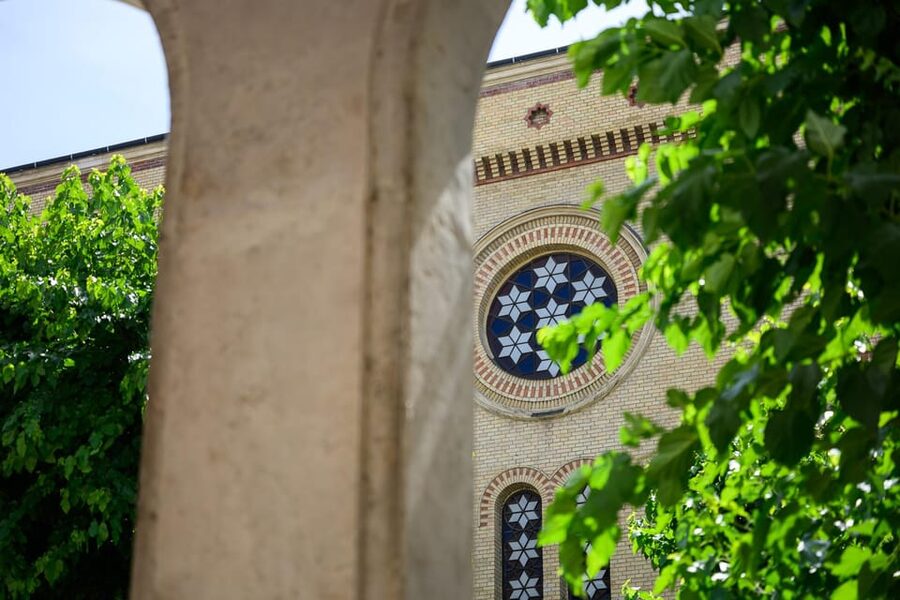
I also love that the core payoff is an inside visit of the Kazinczy Street Synagogue, including your ticket plus an exclusive look at the gallery that is otherwise closed to the public.
One consideration: this is a walking tour, and it is not suitable for people with mobility impairments, so plan for time on your feet.
Key takeaways
- Exclusive Kazinczy Synagogue gallery access is included, not just a quick look inside
- English-speaking local guide connects Judaism to daily life, holidays, and the streets of Budapest
- Synagogue triangle route includes Dohány Street (outside) and Rumbach (outside) before Kazinczy
- Holocaust stops are built in, including the Raoul Wallenberg Memorial Park and ghetto wall fragments
- 2-hour format keeps you focused on the most important sites without turning into a long slog
More stories from the Jewish Quarter and District VII
- Budapest Jewish Heritage Memorial Walking Tour & Synagogue Entry★ 5.0 · 568 reviews
- Budapest: Jewish Heritage Guided Tour with Synagogue Ticket★ 4.8 · 533 reviews
- Jewish Quarter of Budapest Walking Tour★ 4.7 · 369 reviews
- Budapest: Best of Downtown and Jewish Quarter Tour★ 5.0 · 312 reviews
Why Budapest’s synagogue triangle matters
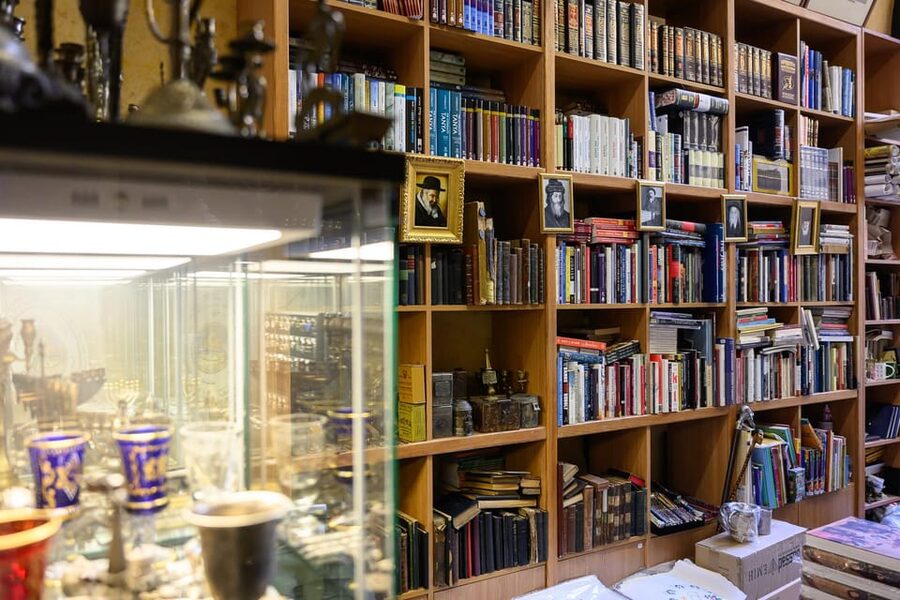
If you want to understand Jewish Budapest, you need more than photos. The best way is to see the buildings where people practiced faith and built community, then connect that with what happened here during the Holocaust.
This tour uses the synagogue triangle as your map. You start with Dohány Street Synagogue from the outside to set the scene, then move through the Jewish Quarter and ghetto memory, and finally get the centerpiece inside the Kazinczy Street Synagogue.
What I like is that you are not just looking at architecture. You learn the traditions behind what you see, including how holidays and everyday life show up in a community’s routines. That makes the stones feel less like a history textbook and more like lived culture.
Meet at Herzl Tivadar, then get your bearings fast
The tour meets at the Herzl Tivadar sign. That matters because the route is concentrated, and you do not waste time searching for a starting point.
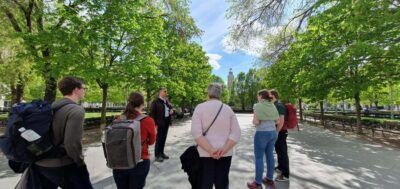
From there, you follow a logical walking path that keeps the stops close together. Some locations are photo stops, some are quick pass-bys, and the Kazinczy Synagogue is the big guided interior moment. You will want to wear comfortable shoes because the full experience is built around steady walking for the whole 2 hours.
If you like your sightseeing with a plan, this one delivers. You get a tight loop through the Jewish Quarter themes, instead of hopping randomly between points.
Dohány Street Synagogue outside: scale you can feel
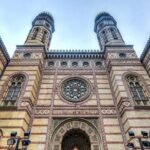
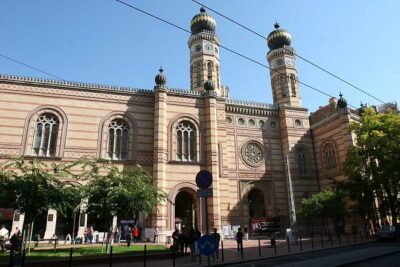
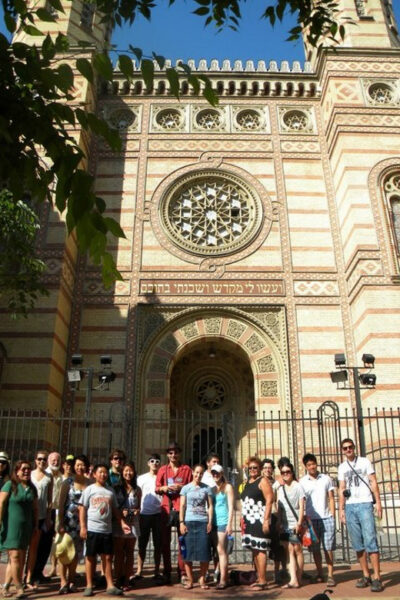
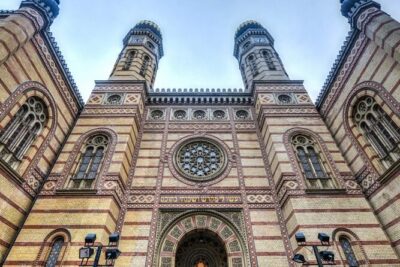
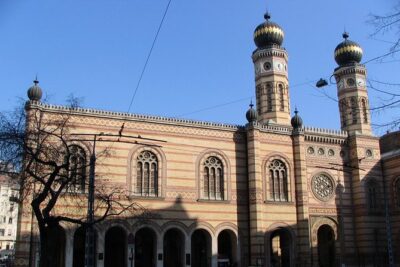
Your first main stop is the Dohány Street Synagogue. You do not go inside here, but the outside viewing still does a job, because the building’s size communicates the community’s presence.
Dohány Street is described as the largest synagogue in Europe and the second largest in the world. Even without entering, you get the sense of why this site became such a major reference point for Budapest Jewish life.
More importantly, your guide’s stories at this point help you interpret what you are seeing. You hear about Judaism, tradition, and how communities functioned here, then you connect it to the later parts of the walk where the narrative turns toward tragedy and remembrance.
Raoul Wallenberg Memorial Park: a photo stop with weight
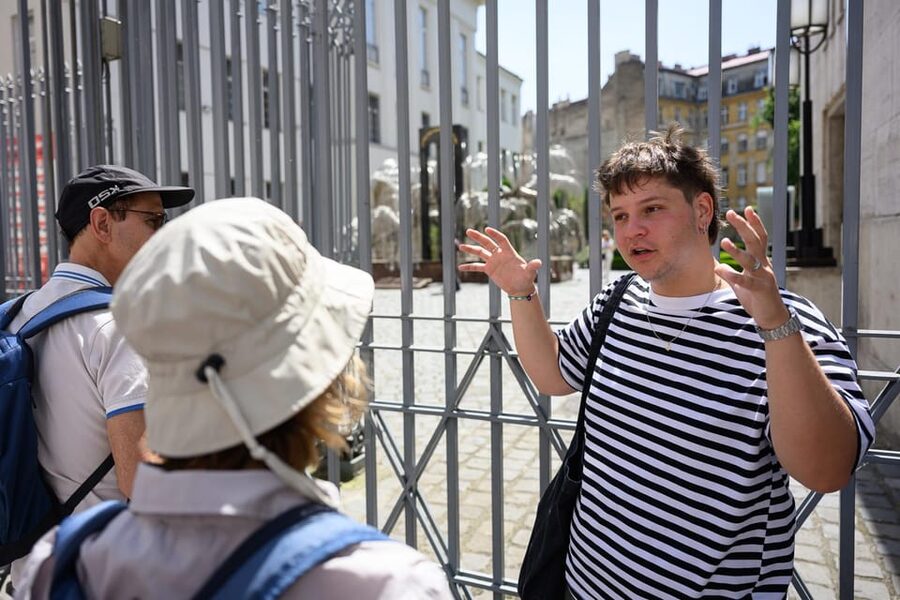
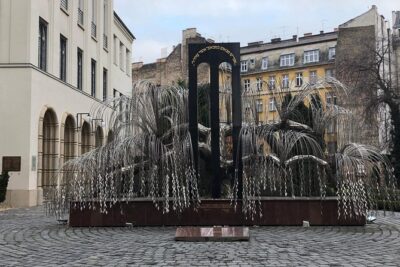
Next up is the Raoul Wallenberg Holocaust Memorial Park. This part is listed as a photo stop and pass-by, so you are not lingering for a long lecture. But it still works as a necessary pivot in the tour’s tone.
Raoul Wallenberg is tied to the history of rescue efforts during the Holocaust, and the memorial gives you a visual anchor for the darker context you are walking through. Even if your time here is brief, it helps you hold the bigger picture in your head while you move through the ghetto-related sites.
If you tend to rush past memorials, slow down for a few minutes here. You do not need to read every detail to respect the place, but you should let it register so the next stops land harder.
More Budapest ideas for the space still left in the itinerary
- Budapest: Széchenyi Spa Day Ticket with Optional Upgrades
★ 4.3 · 23,911 reviews - Budapest: Parliament Building Entry Ticket and Audio Guide
★ 4.5 · 3,844 reviews - Budapest: Full-Day Gellért Spa Ticket
★ 4.2 · 3,340 reviews - Budapest: Cinema Mystica Entry Ticket
★ 4.3 · 3,103 reviews - Budapest: Cat Museum Budapest Entry Ticket
★ 4.4 · 2,210 reviews
The Jewish Quarter and ghetto wall fragments you can’t get from a brochure
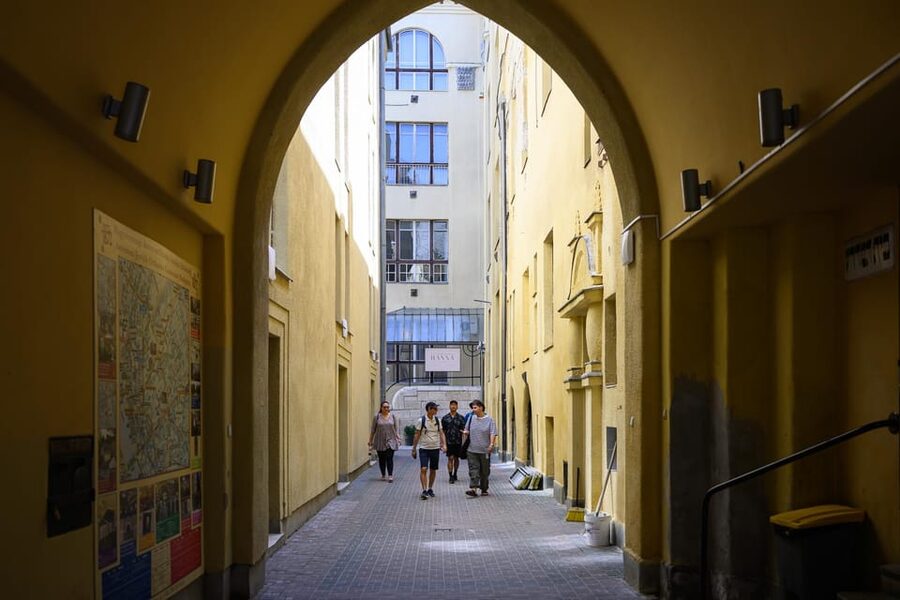
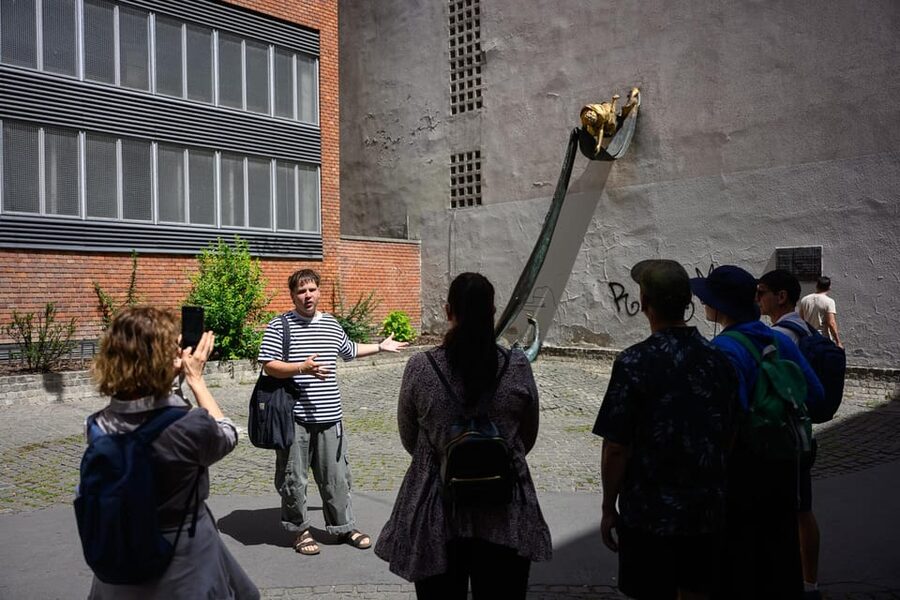
After Dohány Street, you shift into the Jewish Quarter with a guided walking segment. This is where the tour starts translating history into street-level understanding.
Your guide helps you connect Judaism and Jewish culture to local everyday life, not just big events. You also learn about holidays and traditions, so when you see religious buildings later, you have context for what those spaces represent.
Then you hit a Jewish Ghetto wall fragment photo stop. This is one of those spots that can look like a random piece of masonry if you do not know what it’s tied to. With your guide’s explanation, it becomes a piece of physical evidence, a reminder of how the city was shaped by confinement and control.
This portion is valuable because it changes how you look. You stop treating “historic area” as a label and start seeing how history physically shaped neighborhoods.
Rumbach Street Synagogue: photo stop, outside views, strong impressions
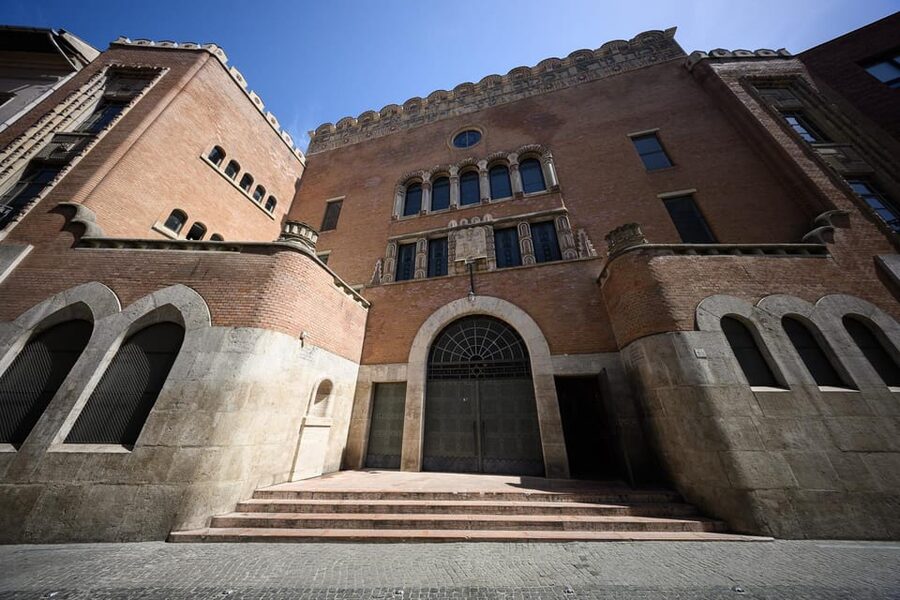
You also pass by the Rumbach Synagogue, with an outside/photo stop in the route. While it is not an interior visit, it still adds something important.
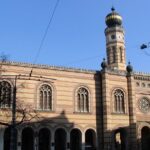
First, it strengthens the synagogue triangle idea. You are not just doing one landmark, you are building a sense of the area’s religious and community geography. Second, the outside viewing helps you compare architectural styles and understand that this district held multiple active congregations.
Because this stop is quick, it is best if you stay present. Look at the building’s character, then listen for what your guide mentions about tradition and how synagogues functioned within the wider community.
Kazinczy Street Synagogue inside: the ticket, the gallery, and the Art Nouveau feel
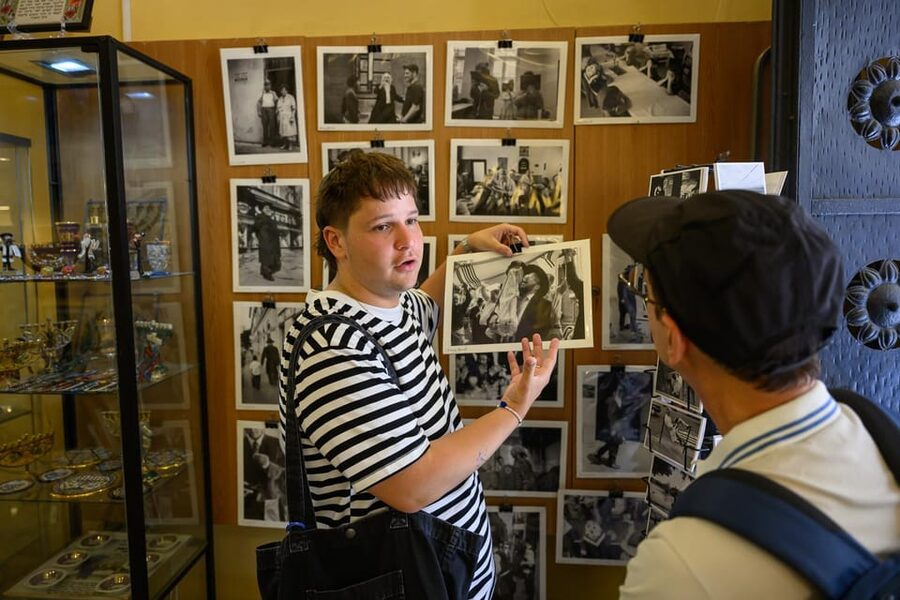
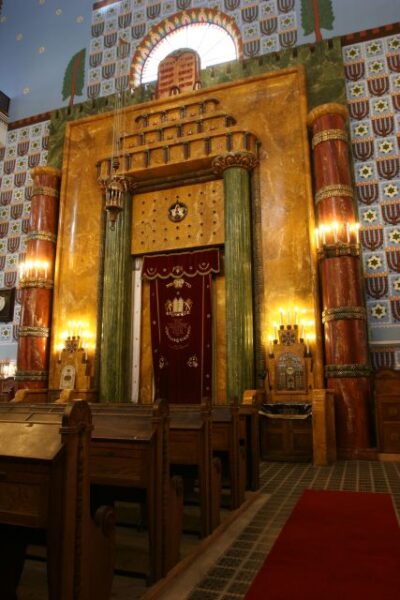
The tour’s main interior payoff is Kazinczy Street Synagogue. You get a guided visit here, and your admission ticket is included in the price.
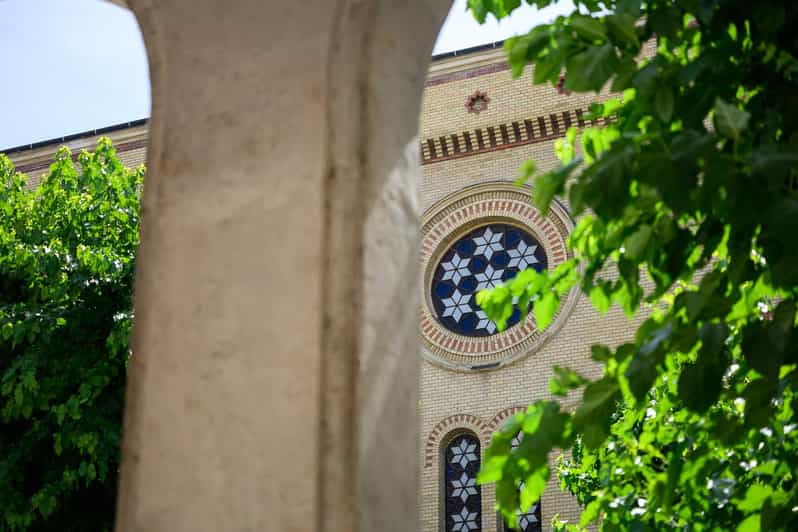
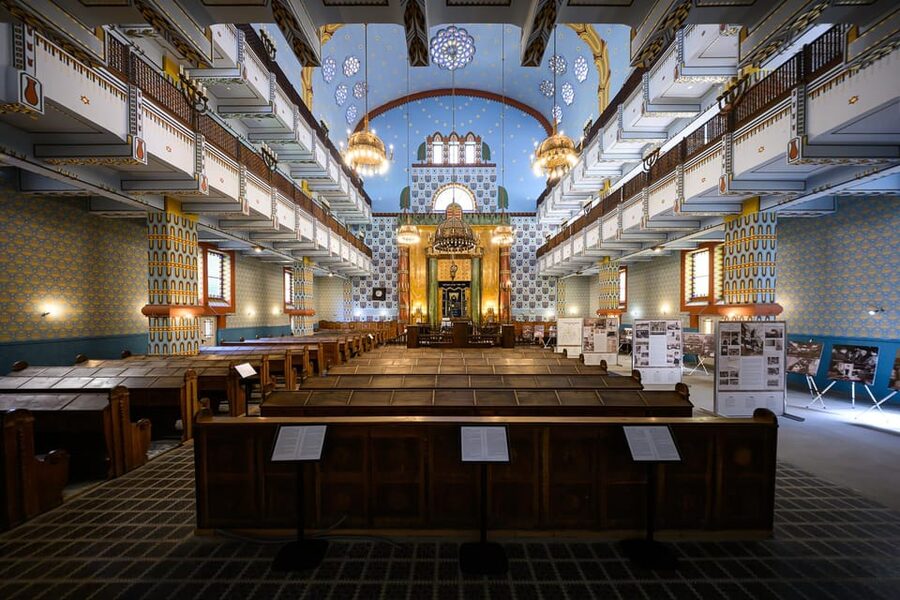
Kazinczy is described as one of the largest operating Orthodox synagogues in Europe, built in an Art Nouveau style. That combination matters: you are seeing living religious space, not a museum set. The guide’s job is to help you notice details that connect art, worship, and community.
The standout extra is the gallery access. The gallery is described as otherwise closed to the public, and the exclusive visit is only available with the guides. That means you are getting a perspective you normally would not be able to access, without hunting for separate tickets or guessing how to get permission.
If you want one reason to book this specific tour, this is it. A synagogue visit is already meaningful, but adding gallery access turns it into a more complete experience of the space.
Price and value: what $34 buys you here
At about $34 per person for a 2-hour English tour, the price feels fair once you factor in what’s included.
You are not paying just for a walk. The tour includes a local guide, your time at multiple key sites, and the synagogue admission and guided visit inside Kazinczy Street Synagogue. On top of that, you get the exclusive gallery visit that is otherwise closed.
So you are essentially paying for three things: interpretation from a local English-speaking guide, guided structure across the route, and paid access where it matters. If you were to plan this yourself, you would likely spend time figuring out entry rules, fitting in guided context, and paying for tickets separately.
In short, this is good value if you want meaning, not just movement.
What the guide does that really makes it work
The guides for this tour are described as very informative and pleasant, with explanations that make the material feel understandable rather than academic.
That matters because Jewish history in Budapest is not only dates and names. It is rituals, holidays, community life, and the lived consequences of persecution. Without guidance, you might read plaques and still feel disconnected from the human story.
With the guide, you get the “why” behind the “what.” You learn about Judaism’s everyday life rhythms and how holidays fit into community identity, then you connect that to the locations linked to the former ghetto and Holocaust memory.
If you like tours where you leave with a clearer mental picture, this style fits. The pace is built for a 2-hour window, so you are not overwhelmed, but you still get substantial context.
Practical tips for your 2-hour walk
A few things will help you enjoy the tour more:
- Comfort first: you’ll be walking throughout the 2 hours, with several short stops
- Expect photo moments: Raoul Wallenberg Memorial Park, Rumbach Street Synagogue, and the ghetto wall fragment are listed as photo stops or pass-bys
- Plan for synagogue rules: pets are not allowed inside synagogues, but they are welcome during the walking tour
- Mobility check: the tour is not suitable for people with mobility impairments, because it is a walking route
Also, keep an eye on where the tour’s real time goes. The outside visits help you set context, but the Kazinczy interior and gallery access is where you spend the most meaningful minutes.
Who should book this Budapest Jewish history tour
I think this tour is a great fit if you want a guided explanation of Jewish heritage in Budapest, and you care about synagogue spaces as part of the story, not just architecture to photograph.
It’s also a strong option for first-timers to the city’s Jewish sites, because the route is structured around the main themes: community life, ghetto history, and Holocaust memory, capped by the Kazinczy interior visit.
You should probably skip it if you need an accessible, low-walking experience. And if you want a totally flexible, self-paced route, this one will feel more structured than you might like.
Should you book it?
If your goal is to understand Jewish Budapest with a real guide, and you value included access to the Kazinczy Street Synagogue plus the exclusive gallery visit, this is an easy yes for me. The price aligns with what you actually get, and the tour’s focus stays concentrated on the sites that matter most.
If you are comfortable walking and you want context you can carry into the rest of your trip, book it. You’ll leave with a clearer sense of how the buildings, traditions, and historic events connect on the ground in Budapest.
FAQ
How long is the Budapest Jewish history walking tour?
The tour lasts 2 hours.
Is the tour offered in English?
Yes, the tour is only available in English.
Where do I meet the guide, and where does the tour end?
Meet your guide at the Herzl Tivadar sign. The tour ends back at the meeting point.
Which synagogue includes an admission ticket?
Kazinczy Street Synagogue includes admission and a guided interior visit, and the gallery access is included as well.
Is Kazinczy Street Synagogue a guided interior visit?
Yes. Kazinczy Street Synagogue is included for an interior visit with guiding, and your ticket is included.
Do I need any other entry tickets?
No other entry tickets are listed as included or needed for this experience.
Which stops are outside visits or photo stops?
Dohány Street Synagogue is an outside visit, Rumbach Street Synagogue is an outside visit or photo stop, and Raoul Wallenberg Holocaust Memorial Park plus the ghetto wall fragment are photo stops or pass-bys.
Can I bring pets?
Pets are not allowed inside the synagogue. They are welcome during the walking tour.
Is the tour suitable for people with mobility impairments?
No, the tour is not suitable for people with mobility impairments.
More Tickets in Budapest






More of the Jewish Quarter


More Tour Reviews in Budapest





Recently added around Budapest



Budapest Jewish Quarter Tours, compared.
 ★ 5.0Budapest Jewish Heritage Memorial Walking Tour & Synagogue EntryFrom $83568 reviews
 ★ 4.8Jewish Heritage Guided Tour with Synagogue TicketFrom $81533 reviews
 ★ 4.7Jewish Quarter of Budapest Walking TourFrom $2369 reviews
 ★ 5.0Best of Downtown and Jewish Quarter TourFrom $23312 reviews
 ★ 5.0Budapest City Walk in Jewish QuarterFrom $356218 reviews
 ★ 4.5Budapest Dohany Synagogue & Hungarian Jewish Museum & free extrasFrom $44218 reviews
 ★ 5.0Budapest Dohany, Heroes’, Rumbach synagogues & Jewish Ghetto TourFrom $63200 reviews
 ★ 4.8Budapest Grand Half-Day Jewish Heritage TourFrom $116135 reviews
Browse the lists this tour appears in