
Tour review · BUDAPEST WALKING TOURS
Budapest: Private 4-Hour Walking Tour with a Local
Budapest clicks into focus fast when you have a local steering the route. This private 4-hour walk can be tuned for history or food and architecture, with a guide meeting you at your hotel and taking you through the city’s most photogenic neighborhoods. I especially like the mix of major landmarks like Heroes’ Square and the chance to swap in your own priorities, like antique browsing or a relaxed meal hunt. One thing to plan for: it is still a walking tour, so comfortable shoes matter, especially with hills around Castle District and Gellért Hill.
If you want a “see it all” day without turning into a sprint, this kind of tour is a practical sweet spot. You get a real explanation of Hungary’s story, plus specific stops that make the city feel layered, from the subway era to the views from Gellért Hill. The tradeoff is simple: with just four hours, you will enjoy each stop, but you will not have time for long entrances or deep museum time unless you choose those add-ons.
Key points to know before you go
- Hotel pickup included so you start without hunting meeting points.
- Flexible route so you can bias the day toward antiques, architecture, or gastronomy.
- Castle Hill and Gellért Hill viewpoints with big-city panoramas built into the timing.
- Public transit is part of the story, including the first subway line in continental Europe.
- Bath areas show up twice via Széchenyi Bath area and Gellért Baths (from the outside and surrounding areas).
- Multiple guide languages are available, including English, Spanish, French, German, and Italian.
Budapest on foot, with a few more routes to compare
- Big Bus Budapest Hop-On Hop-Off Bus and Walking Tour★ 3.5 · 2,206 reviews
- Budapest: Buda Castle District Walking Tour★ 4.6 · 2,108 reviews
- Budapest City Landmarks Walking Tour in 2 Hours★ 5.0 · 2,048 reviews
- 3-Hour Orientation Walking Tour of Buda and Pest★ 4.8 · 1,834 reviews
Why a private 4-hour walk works in Budapest
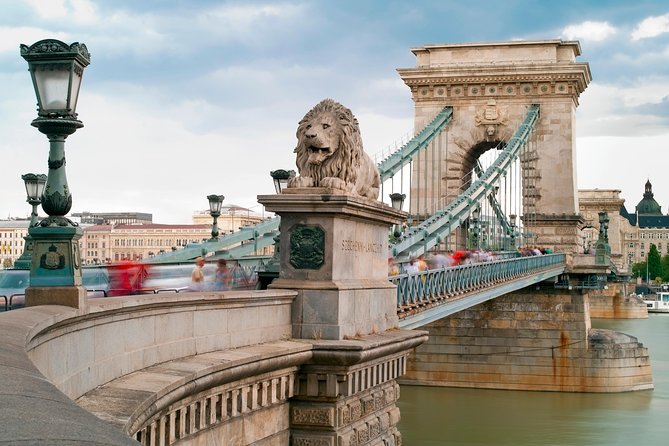
Budapest is wide in feel. The city is split by the Danube into Buda and Pest, and each side has its own vibe, hills, and rhythm. A private half-day lets you cover major sights while still having room to slow down when something catches your eye.
What makes this format especially useful is the flexibility. You are not stuck with one rigid script. If you care more about buildings than viewpoints, or you want to taste your way through markets, your guide can shape the route so the day feels like yours.
And since the group is private (priced per group up to 20), you avoid the “everyone stops, everyone listens, everyone rushes” feeling that can happen in larger tours. It is easier to ask questions, and it is easier to adjust on the fly when streets, crowds, or weather act up.
Starting from your hotel, then steering the day your way
Your guide meets you at your hotel reception at an agreed time. That one detail sounds small, but it saves energy. Instead of spending your morning in transit trying to line up with a tour group, you start the walk already oriented.
From there, you choose what kind of day you want. The tour is designed to cover major sights, but it can also become an off-the-radar stroll. If antique hunting is your thing, your guide can point you toward the right kinds of streets and places. If you prefer architecture, you will spend real time noticing styles and details, not just taking photos.
I also like that the tour is built to mix outdoor walking with quick transit hops. You are not trapped walking the whole time, which matters on a city with real elevation changes.
Heroes’ Square and the big landmarks that set the tone

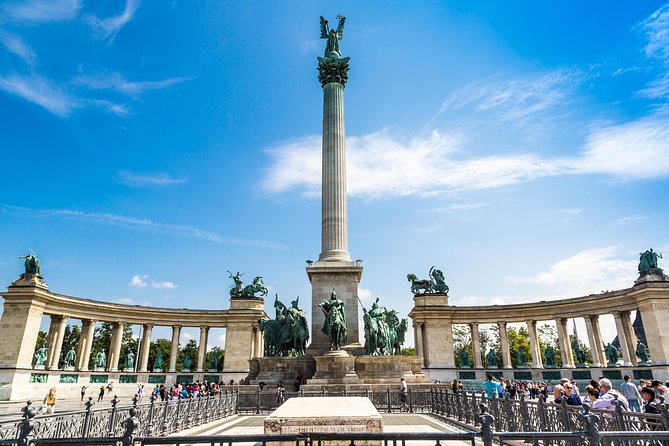
Heroes’ Square is one of those places that instantly tells you what Budapest values, artistically and politically. It is a grand introduction, and it helps you understand why the city’s “main stage” looks the way it does.
On this tour, it is not just a photo stop. Your guide ties it to the broader Hungarian story, including the tumultuous events that shaped the nation. You will also get context for how the city rebuilt itself and why certain public spaces became symbols.
If you want a straightforward overview day, you will appreciate how the route hits major landmarks without overcommitting to long museum-style pacing. If you prefer the quieter side, you can use the structure as a base and shift the emphasis to parks, streets, and viewpoints around the same districts.
State Opera House, the early subway era, and what you see on the way
One of the clever parts of this itinerary is that it does not treat “transit” like an afterthought. You will travel by the first subway line in continental Europe, then stop at the gorgeous State Opera House with facts and stories about the building.
That matters because it changes how you experience the city. Instead of only seeing monuments, you also see Budapest as an engineered place, where modernization and design show up in everyday infrastructure.
The State Opera House stop also gives you a chance to slow down and look. Opera houses are usually best appreciated when someone points out design choices you might otherwise miss. Even if you do not plan to go inside for a performance, the exterior and the history can be rewarding.
Budapest on foot, a few more ways
- Budapest: Buda Castle Walk with Saint Stephen’s Hall
★ 4.5 · 3,012 reviews - Budapest: 3-Hour Grand City Tour and Castle Walk
★ 4.3 · 1,437 reviews - Budapest Historical Sightseeing – Free Walking Tour
★ 5.0 · 1,302 reviews - Budapest All in One Small Group Walking Tour with Strudel Stop
★ 5.0 · 1,277 reviews - Budapest: Buda Castle District Walking Tour with a Historian
★ 4.9 · 867 reviews
St. Stephen’s Basilica and Castle Hill, where the viewpoint logic matters
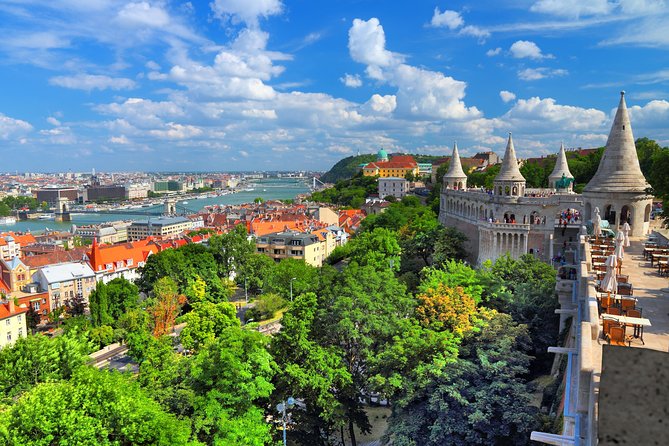
St. Stephen’s Basilica is the kind of landmark that looks impressive from a distance, but it becomes more meaningful when you understand its place in the city. Your guide helps connect it to Hungarian identity and why this church stands where it does.
From there, the tour moves toward Castle Hill. This is where Budapest starts to feel like a layered storybook of different eras. You will visit key sites around the hill, including Matthias Church, a centuries-old centerpiece of the district.
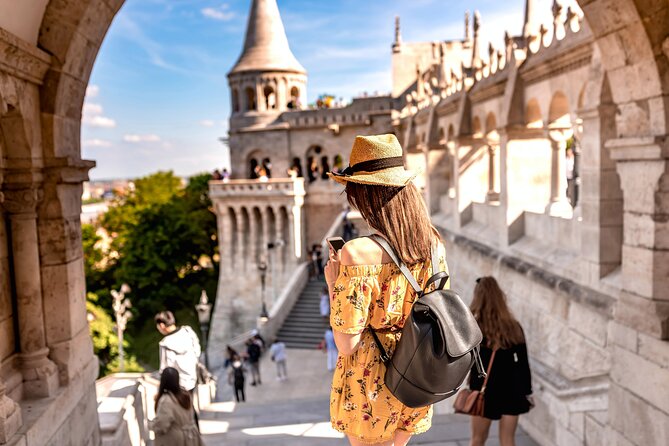
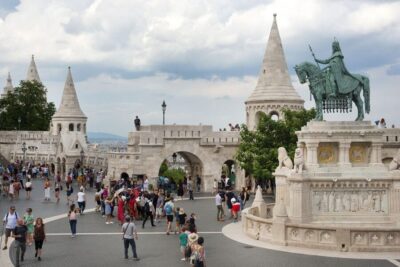
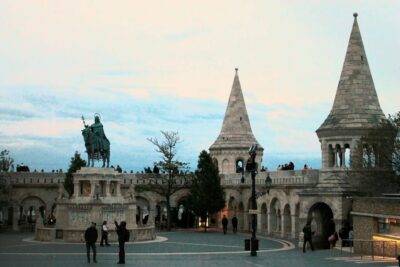
You also reach the Fisherman’s Bastion area, known for its seven towers and terrace views over Pest. The location is built for looking. If you like cityscapes, you will get your fill, and the guide context makes the view more than just pretty skyline.
Practical consideration: Castle Hill can involve stairs and uneven streets. If you are traveling with limited mobility, you may want to think twice, because the route includes walking around viewpoints and church areas.
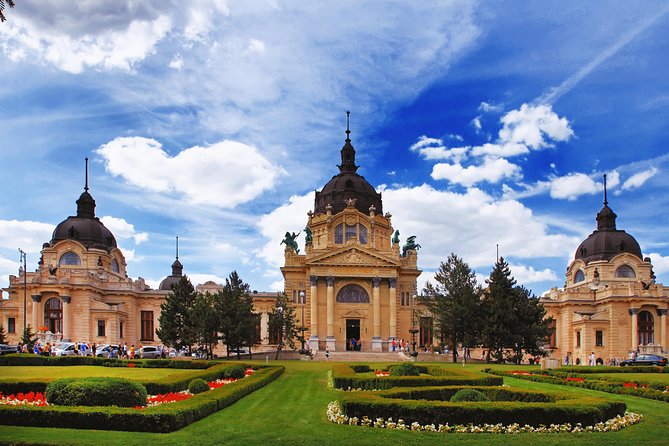
Széchenyi Bath area and Vajdahunyad Castle, for parks and photo breaks
Even if you are not planning to soak in hot water, Budapest’s bath culture is part of what makes the city feel different. The tour includes time around the Széchenyi Bath area and also visits Vajdahunyad Castle.
Vajdahunyad Castle works well in a half-day format because it gives you variety. You get a “storybook” feel, plus it sits in a park-like setting that makes the walking easier and more pleasant. You get both architecture and atmosphere without needing a long indoor commitment.
Széchenyi Bath is also a useful stop even if you skip the entrance. It helps you understand why the bath areas became social spaces, and it sets you up for the later Gellért Baths stop on the Gellért Hill descent.
Gellért Hill panorama: bus up, Citadel and Liberty views, then down to the baths
The itinerary smartly uses a public bus to get you up Gellért Hill. That saves your legs for the part where the views matter. From the top, the panorama of Budapest is the big payoff, and your guide ties it to the hill’s history.
You will learn about Bishop Gellért and hear the history of the Citadel and the Statue of Liberty on the hill. It is a lot of story packed into one scenic hour, which is exactly how a good guide turns sightseeing into understanding.
Then you walk down, and the mood changes again. As you descend, you will see Art Nouveau architecture connected with the Gellért Baths area. This is where Budapest feels like it is showing off different design eras close together, rather than separated by time.
If you want a day that includes views plus architectural variety, this portion is the center of gravity.
Great Market Hall, for a taste of local routine
The Great Market Hall is the easiest place on a short tour to shift from “looking” to “tasting.” It is the largest indoor market in the city, which means it also works as a great orientation point.
Even if you do not plan a full meal, it is a good spot to browse and sample simple bites. Your guide can help you find what fits your tastes, and it is a place where you can pick up snacks for later in the day.
One reason I like market stops on walking tours: they slow the pace naturally. You do not have to race to the next viewpoint. You can just wander, ask questions, and see how people actually shop and eat.
Guide styles that make the difference, from Anna to Xénia to Krisltina
The biggest variable in any private tour is the guide. In this case, the guide quality shows up in how they handle pacing and how they add personal, useful tips.
I love what I’ve seen from guides like Anna, described as very kind and easy to enjoy with. That warmth matters when you are asking questions while walking and when you want the tour to feel comfortable, not like an interview.
Xénia is another name that comes up for strong local expertise and smooth German. In particular, she is credited with leading a 12-person women’s group well, answering questions, and sharing “secret” style tips that helped plans on later days. That kind of follow-up guidance is practical, because it turns one good tour into a better overall Budapest stay.
Krisltina Teplay is highlighted for passion and for moving between transit options efficiently. If you worry about losing time to missed connections, that skill helps a lot. It is also a reminder that this tour’s transit elements are part of the experience, not random logistics.
Price and value, what $330 per group really means
This tour costs $330 per group up to 20 people for four hours. That pricing structure can be great value if you are traveling as a small group, because the guide cost is shared. If you are a solo traveler or a couple, it can feel pricey, but you are still paying for a private guide and a route designed around your interests.
What you get for that money is straightforward: a professional personal guide for a half-day, hotel pickup, and an itinerary that mixes walking, transit, major landmarks, and viewpoints. Entrance fees and food are not included, so you should plan for optional site tickets and at least a snack budget if you want to stop for market bites or a drink.
One smart move: decide in advance what “success” looks like for you. If you want a broad overview plus a couple of optional entrances, the structure fits well. If you want only the baths or only the Castle District with lots of time inside, you might feel the four hours are tighter.
Who this tour suits best
This is a good fit if you want:
- A flexible private day that can tilt toward history, architecture, or food.
- Major sights without the stress of planning your route minute by minute.
- A guide who can explain what you are seeing, especially at landmarks like Heroes’ Square, the Opera House area, and Castle Hill.
It is a weaker fit if:
- You want a slow, deeply indoor day with lots of museum time and long lines.
- You do not like hills or stairs, since parts of Castle Hill and Gellért Hill involve uphill walking and viewpoint areas.
If you are a first-timer, this tour is a strong way to get your bearings. If you’ve been to Budapest before, the flexibility can help you return with more focus, especially around architecture choices and food stops.
Should you book this Budapest private walking tour?
I’d book it if you want a half-day that feels efficient but not rushed. You’ll cover the big “must-see” areas like Heroes’ Square, St. Stephen’s Basilica, Castle Hill, and Fisherman’s Bastion, then you’ll add the real wow factor from Gellért Hill. The market stop at the Great Market Hall also makes the day feel grounded in local life.
I would think twice if you dislike walking or you know you want lots of paid entrances. Since entrance fees and food are not included, you may need to add costs on top, and four hours can run out quickly if you decide to go deep into multiple indoor sites.
If your schedule is tight but you want the city to make sense fast, this is the kind of tour that helps you. You get structure, but you keep control of the emphasis, and that is a good deal in Budapest.
FAQ
How long is the Budapest private walking tour?
It lasts 4 hours.
Is the tour private?
Yes, it is a private group tour.
What is included in the price?
A professional personal guide is included. Pickup from your hotel reception area is also included.
Does the tour include entrance fees or food?
No. Entrance fees to optional sites and food and drinks are not included.
What languages are available?
The live guide is available in English, Spanish, French, German, and Italian.
Is there free cancellation?
Yes. You can cancel up to 24 hours in advance for a full refund.
More Tours in Budapest






Keep Walking Budapest





More Tour Reviews in Budapest






Recently added around Budapest




Budapest Walking Tours, compared.
 ★ 3.5Big Bus Budapest Hop-On Hop-Off Bus and Walking TourFrom $422,206 reviews
 ★ 4.6Buda Castle District Walking TourFrom $142,108 reviews
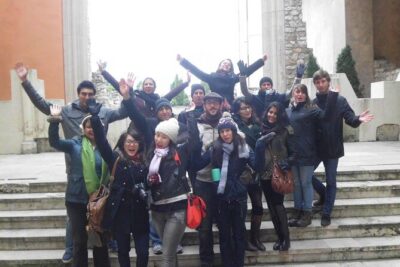 ★ 5.0Budapest City Landmarks Walking Tour in 2 HoursFrom $32,048 reviews
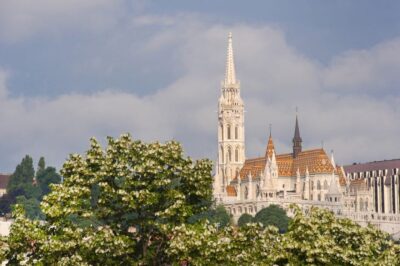 ★ 4.83-Hour Orientation Walking Tour of Buda and PestFrom $411,834 reviews
 ★ 5.0Budapest Historical Sightseeing – Free Walking TourFrom $31,302 reviews
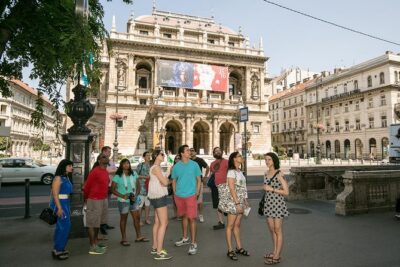 ★ 5.0Budapest All in One Small Group Walking Tour with Strudel StopFrom $1001,277 reviews
 ★ 4.9Buda Castle District Walking Tour with a HistorianFrom $63867 reviews
 ★ 4.9BloodThirsty Hungary: Walking tour & Dark Historical StoriesFrom $21633 reviews
Browse the lists this tour appears in