
Tour review · BUDAPEST CITY SIGHTSEEING TOURS
Budapest: Private City Tour with Local Guide
Budapest can feel big, hilly, and fast. This private tour lines up the best stops on both sides of the river with a local guide. I love the Buda and Pest balance, and I also like how the pace stays realistic when you only have half a day or one short day in town. One thing to consider is that entrance fees aren’t included, so you will still choose on-site whether you want to go inside each major landmark.
What makes this experience feel practical is the way it uses driving where it saves time, then switches to walking where it matters. You get main sights like Parliament and Matthias Church, plus viewpoints that show why Budapest earns its reputation for views. The only real drawback is the short time window, so the “best of” plan can feel like a strong preview rather than a slow, deep museum day.
Quick hits

- Private, local-led route that stitches together history and daily life across both districts
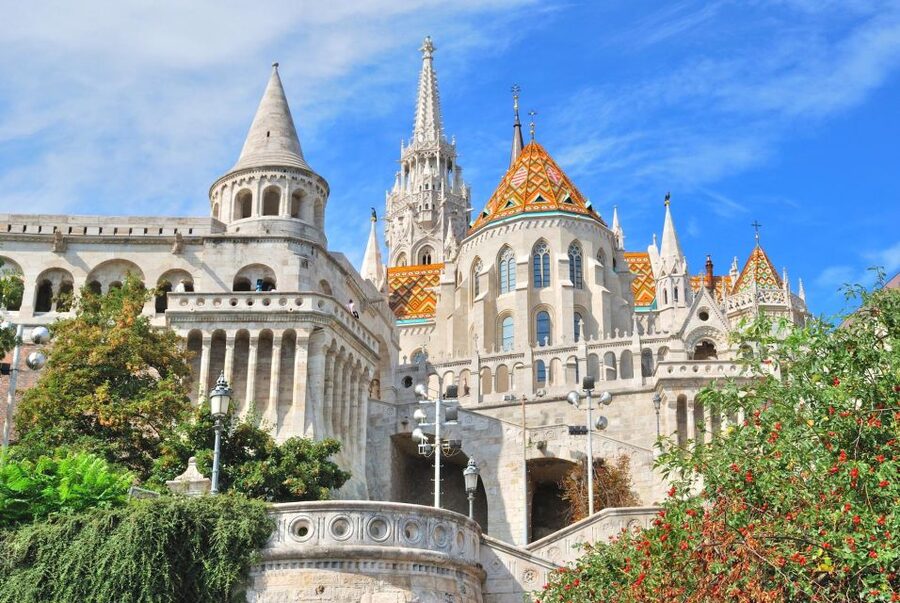
- Buda Castle District to Matthias Church plus Fisherman’s Bastion viewpoints
- Gellért Hill and Citadel panoramas without tiring climbs on your own
- Central Market Hall stop built around Hungarian food, not just photos
- Jewish Quarter and Andrássy Avenue highlights including State Opera House and Heroes’ Square
- City Park, Vajdahunyad Castle, and St. Stephen’s Basilica in one efficient loop
More ways to put both banks into one city loop
- Budapest: City Sightseeing Hop-On Hop-Off Bus Tour & Extras★ 4.1 · 4,337 reviews
- Budapest: Big Bus Hop-On Hop-Off Tour & Danube River Cruise★ 4.2 · 3,794 reviews
- Big Bus Budapest Hop-On Hop-Off Bus and Walking Tour★ 3.5 · 2,206 reviews
- Budapest: Grand City Tour with Parliament Visit★ 4.4 · 1,598 reviews
The real value: seeing Budapest without the huff-and-puff
Budapest is gorgeous, but it is also vertical. Between the Danube views, the hilltop neighborhoods, and the fact that many landmarks sit on top of stairs and slopes, self-guided sightseeing can turn into a workout you did not plan.
This tour solves that problem with a private group and an air-conditioned vehicle. The car gets you between high-impact stops, and you walk the parts where you actually need to be on foot, like Castle District streets or the riverside outlook areas. In a city where “worth seeing” often means “worth climbing for,” this route is designed to keep you moving without constantly feeling behind.
I also like the “local guide” angle for one simple reason: Budapest is not just a photo list. Even when you only have 3 to 4 hours, a good guide helps you understand what you are looking at and why certain places matter. In the experience reports, guides like Gábor Nemes and other local hosts consistently talked history and present-day life in a way that made the sights click fast, plus they shared practical recommendations for what to do next.
Price is the other piece of the puzzle. At $222 per person for a private tour, it is not “cheap,” but it can be good value if you factor in time, transport, and the fact that entry tickets are separate. If you are splitting the cost among more than one person in your group, it can also become a more comfortable decision.
How the Buda and Pest split changes everything
Budapest feels like two cities in one. You can absolutely see “the main stuff” in each area on your own, but trying to do both sides well within a single afternoon is tough. This tour is efficient because it is built around the way the Danube acts like a dividing line.
Pest first, then the climb to Buda
The tour typically starts in Pest city downtown, then you work your way up into the hilly Buda side. That sequence matters. Starting in the flatter downtown area lets you get your bearings before you start dealing with elevation. Then, once you are in Castle District territory, you already understand where you are in the city and what the riverfront means.
You will also get drive-and-stop scenic segments that make the route feel like a guided circuit, not a series of random taxi hops. That matters for comfort and timing, especially in cooler months when you do not want to be waiting in the cold.
The Castle District stretch: Matthias Church and Fisherman’s Bastion
This is where the tour earns its “high-impact” reputation.
Other Budapest days with the guide to yourself
- Budapest Essentials Private Tour Highlights and Hidden Gems
★ 5.0 · 861 reviews - Private Budapest City tour with Classic Russian Jeep or G-Wagon!
★ 5.0 · 386 reviews - Private city tour by van
★ 5.0 · 273 reviews - Budapest: Private City Tour with a Vintage Russian Jeep
★ 4.9 · 246 reviews - Budapest Private City Tour With a Vintage Russian Jeep
★ 5.0 · 198 reviews
Castle District stroll
You will spend time walking in the Castle District, the old core area above the river. Even if you know nothing about it, the place reads like history the moment you start moving through the streets. The guide’s job here is not to recite dates. It is to give context so you understand why the architecture and layout look the way they do.
Matthias Church area
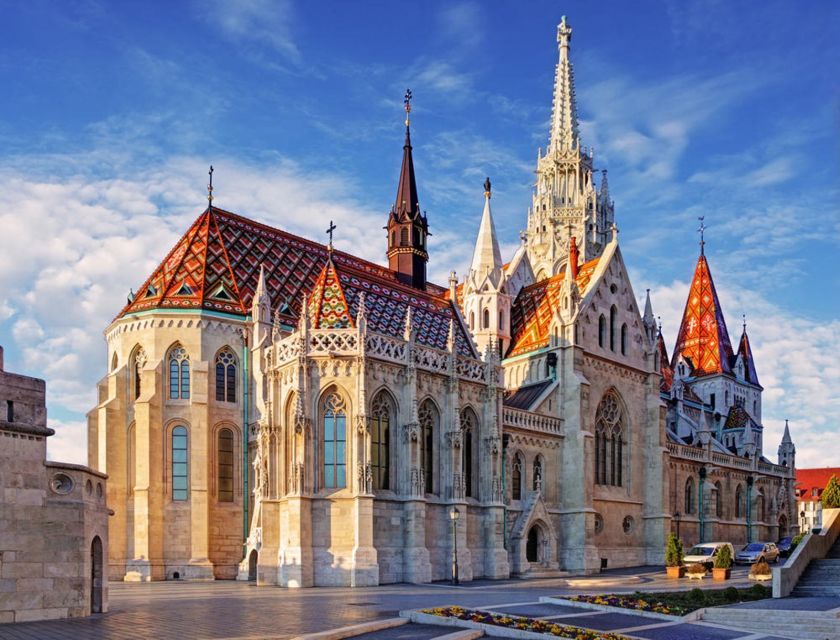
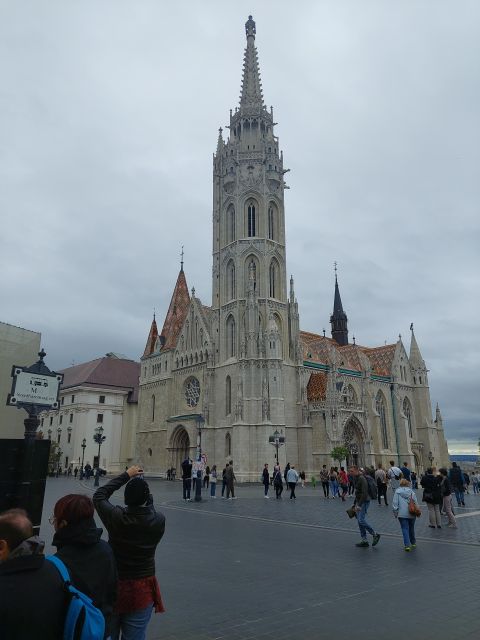
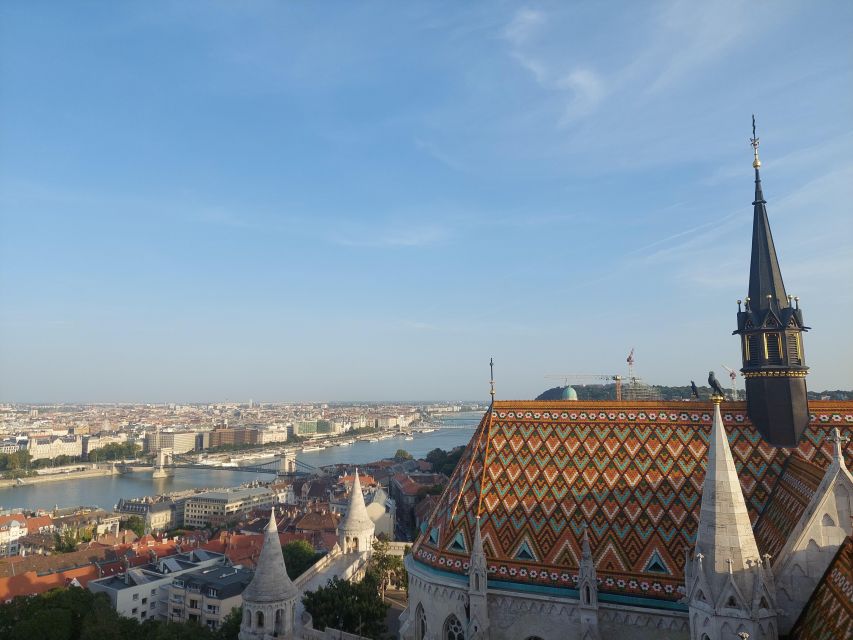
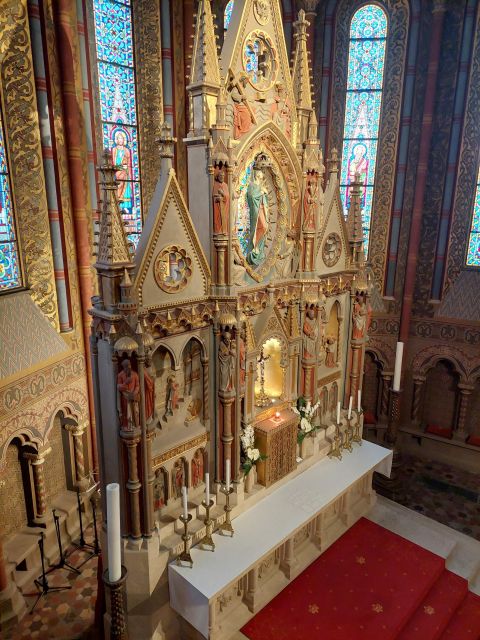
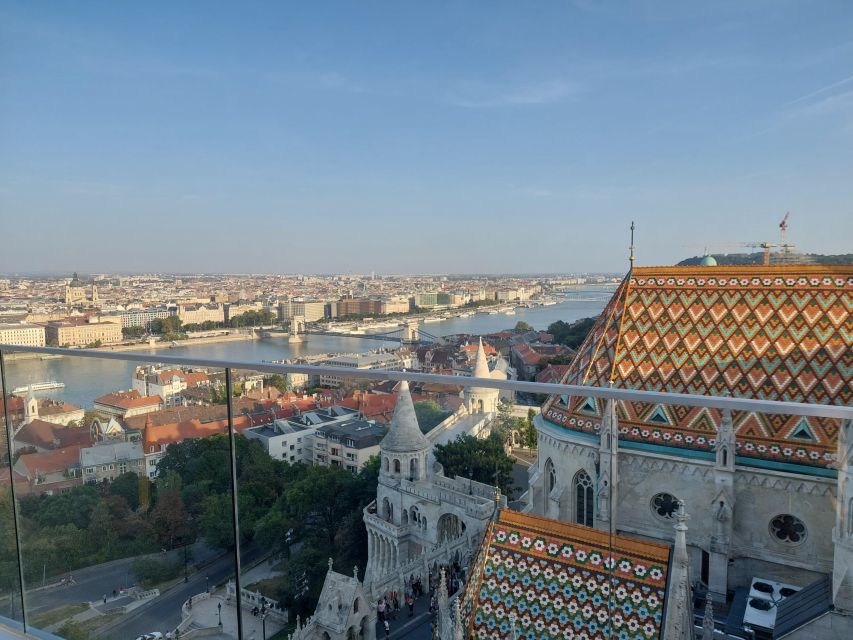
Next comes Matthias Church, a Gothic-style landmark that is instantly recognizable. On a short tour, you cannot do everything, but Matthias Church is one of those sites where seeing the exterior and surroundings already gives you the “why people care” moment. Your guide’s explanation also helps you appreciate the blend of eras and influences you see across central Budapest.
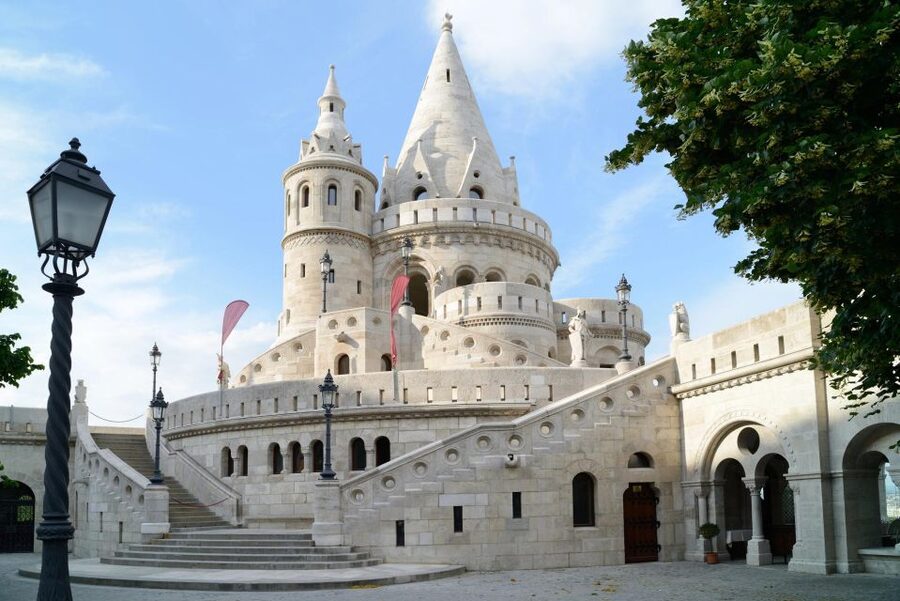
Fishermen’s Bastion viewpoints
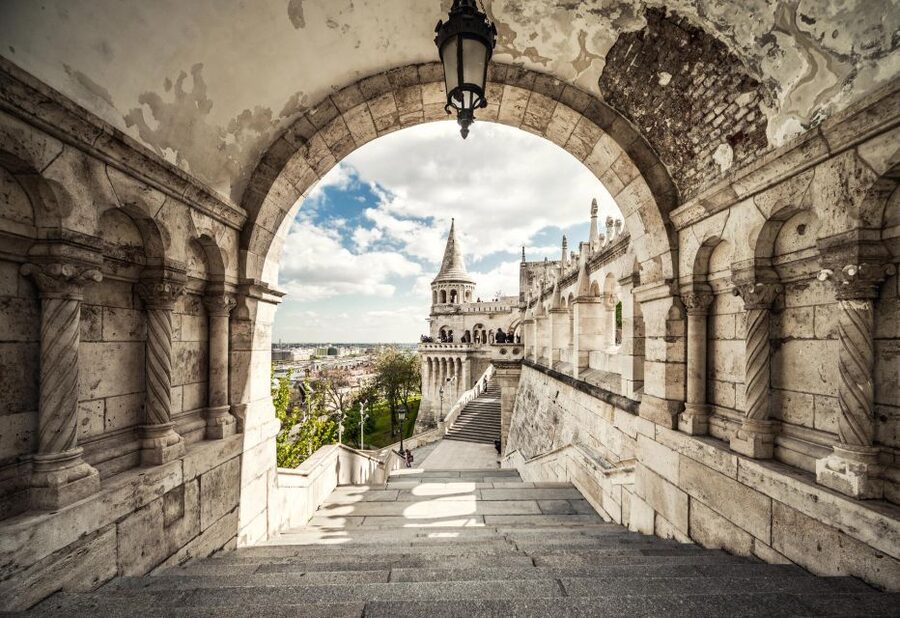
Then you get to Fishermen’s Bastion, famous for its views. This is not just about the view, though. It is also about learning how to look at the city from up here. You will see the Danube and the Pest skyline in a way that makes the rest of your sightseeing more meaningful, because suddenly you can visualize the geography you have been driving through.
A practical note: viewpoints and castle areas can mean uneven ground and stairs. It is not a long endurance walk, but you should still expect some steps and short climbs.
Gellért Hill and the Citadel: the panoramic payoff
After Castle District, the route includes a drive up Gellért Hill and time to admire the Citadel on top.
This is a smart stop for a private tour because it is the kind of location that is hard to schedule well on your own. Getting there can be time-consuming, and you can also get stuck if you do not know the best approach points for photo stops.
From the Citadel area, Budapest’s scale makes sense. You start seeing how Pest spreads outward along the river, and how Buda’s hill neighborhoods sit like bookends. Even if you have already seen pictures, the height changes the perspective in a way that feels real, not postcard-flat.
Central Market Hall: food first, history second
One of the best “why this tour is worth it” stops is Central Market Hall.
Budapest has plenty of traditional food, but a market hall gives you a sense of what people actually buy and eat. This stop is also a useful reset point in a half-day itinerary. You can browse, snack, and refuel without turning sightseeing into a continuous walking circuit.
In the stories people shared from their tours, guides often used this moment for quick, practical food recommendations, and some even helped with classic treats. For example, one experience included a cinnamon pastry style snack pick-up. You might see choices like Hungarian pastries, paprika-flavored items, and seasonal produce, depending on what is in season that day.
Tip for your visit: even if you are not a big shopper, treat the market like a live museum of everyday life. Spend 15 to 20 minutes noticing what looks common, not just what looks dramatic.
Jewish Quarter and National Museum area context
After crossing back toward the Pest side, the route includes stops around the Jewish Quarter and the National Museum area.
This is the part of the tour where context matters. Landmarks in this area are layered with history, and they can feel like background scenery unless someone explains what you are looking at and how the story developed over time. On a private tour, you can ask direct questions, and you can also request extra time if something catches your interest.
Be aware of pace here. This segment is designed to provide overview, not an all-day deep dive. If you want to visit specific museums or synagogues, plan to treat those as your follow-up days, based on what your guide points out.
Andrássy Avenue and State Opera House: the elegant mid-course
Then you move along Andrássy Avenue, including a pass by the State Opera House.
This section gives Budapest a different “texture.” The market felt close to everyday life, and the castle areas felt like skyline and storybook. Andrássy Avenue shifts you into grand-boulevard territory, where the scale of the city’s central design shows up fast.
A guided pass can still be meaningful here because you get orientation for later. If you return to Budapest, this is one of those streets you will likely want to walk again, and having it pointed out in context helps you do it with purpose.
Heroes’ Square and City Park: monuments with breathing room
The route includes Heroes’ Square and later City Park, plus Vajdahunyad Castle.
Heroes’ Square stop
Heroes’ Square is a strong visual anchor. On a short tour, it works because the monuments communicate themes instantly, and your guide can connect those themes back to Hungarian history and identity. It is also a convenient place to take photos and reset before you move deeper into the park area.
City Park and Vajdahunyad Castle
Then you get into City Park, where the pace shifts from street monuments to something more open-air. Vajdahunyad Castle is part of the experience, and even though it is a park stop, it still fits the day’s “architecture as storytelling” approach.
For practical planning: this is a good area to do quick strolling and get photos without needing a full ticketed entry plan. Still, if you want to go inside or spend extra time, your guide can point you toward the best next move.
St. Stephen’s Basilica and the route back to Parliament
The tour also includes St. Stephen’s Basilica, one of the city’s most important churches and a frequent “must-see” for first-time visitors.
This stop often works because it provides a clearer sense of central Budapest’s religious and civic weight. It is another moment where your guide’s explanation can make the structure feel more than just impressive. You understand why it sits where it does, and why it is tied to the way the city tells its own story.
After that, the itinerary continues to central squares like Kossuth Square for views and then toward the Hungarian Parliament area. Parliament is the classic final act for many people, and it is easier to appreciate if you have already seen Castle District and viewpoints earlier. The day starts to feel like a loop with a payoff.
Logistics that make the day feel easy
Even if you are an experienced traveler, private city tours come down to logistics. This one scores points where it counts.
- Pickup and drop-off in Budapest is built in, and hotel pickup is offered. That removes one of the biggest time-killers in a busy itinerary.
- Refreshments are included, so you have a simple buffer against hunger during a half-day schedule.
- Free time exists in the flow, which helps you actually enjoy stops rather than sprinting from one photo point to the next.
- The car parking and drive-by planning help you reach places that buses sometimes miss, which matters because Budapest’s highlights can be located where access is not straightforward.
You also have a say in the ending. The drop-off point is your choice, which is a small detail, but it can make a big difference if you are pairing this tour with a dinner plan or another activity.
Who this tour is for, and who should skip it
This tour is a strong fit if you want a first-time orientation or you have limited time. It is also ideal if you do not want to spend your vacation day managing transit and climbs.
You will likely love it if:
- You have one day or a half day and want a structured overview
- You want to see both Buda and Pest without planning a route yourself
- You prefer comfort, short walks, and smart photo windows
- You like asking questions and getting practical next-step advice
You might want something else if:
- You want to spend long hours inside multiple museums and churches. Since entrance fees aren’t included, you would likely need a more museum-heavy plan.
- You want a totally unstructured day where every stop becomes a longer wander. This tour is efficient by design.
Practical tips to get more out of the 3 to 4 hours
Here’s how to make this style of private tour feel like a win, not a checklist:
- Ask for a next-day plan before you leave. Guides in this experience lineup often share restaurant and sights recommendations, and you can use that to build the rest of your trip.
- Wear shoes you can trust on stone. Even with limited walking, you will likely step on uneven surfaces in castle and viewpoint areas.
- Treat food as part of your sightseeing. The market hall stop is not just a break, it is the best place to learn what Hungarian flavors look like in real life.
- Decide early what matters for interiors. Because entrance fees are separate, you can use the tour to set priorities, then return later with a ticketed plan.
One extra fun note from the real experiences: guides like Gábor and others have been described as personal, friendly, and willing to adjust in small ways if your group has mobility limits. That flexibility is one of the best reasons to go private, especially if hills or fatigue are part of your equation.
Should you book this Budapest private city tour?
Book it if you want a high-quality introduction to Budapest that hits the big visual landmarks, explains what you are seeing, and saves you from the hardest logistics. At $222 per person, it is priced for people who value time and comfort, not for people who want to build a self-guided itinerary from scratch.
Skip it or consider a different format if you are mainly chasing museum interiors or you have plenty of time to plan, travel between neighborhoods, and handle Budapest’s elevation on your own. For a short window, though, this is one of the clearest ways to see the city’s main sides in one smooth day.
If you do book, pick a start time that matches your energy. 09:00 can be great for clear morning light, while 14:00 often works well if you want a slower start and a late-afternoon city glow.
FAQ
How long is the private Budapest city tour?
It runs for about 3 to 4 hours.
What is included in the price?
The tour includes a private tour by air-conditioned vehicle, pickup and drop-off in Budapest, a local guide, and refreshments.
Are entrance fees included?
No. Entrance fees are not included.
Where does the tour usually start and how do you meet your guide?
The usual meeting point is in the reception area of your accommodation, with pickup optional from hotels across Budapest.
What languages are available for the live guide?
The live tour guide is available in English, Italian, and German.
Is this tour a private group?
Yes, it is a private group.
What are the suggested start times?
Suggested start times are 09:00 and 14:00.
Can I cancel if my plans change?
Free cancellation is available up to 24 hours in advance for a full refund.
More Private Days in Budapest





See Both Banks, Other Ways






More Tour Reviews in Budapest




Recently added around Budapest




Budapest City Sightseeing Tours, compared.
 ★ 4.6City Highlights Cruise with Welcome DrinkFrom $1435,610 reviews
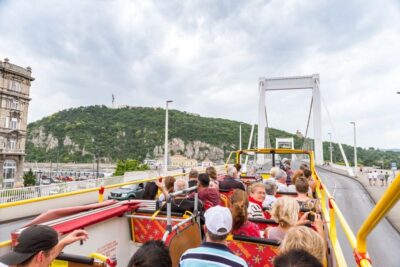 ★ 4.1City Sightseeing Hop-On Hop-Off Bus Tour & ExtrasFrom $414,337 reviews
 ★ 4.2Big Bus Hop-On Hop-Off Tour & Danube River CruiseFrom $403,794 reviews
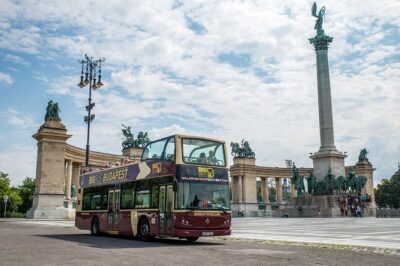 ★ 3.5Big Bus Budapest Hop-On Hop-Off Bus and Walking TourFrom $422,206 reviews
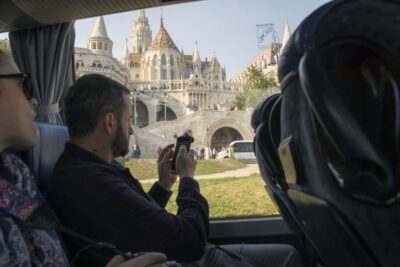 ★ 4.4Grand City Tour with Parliament VisitFrom $701,598 reviews
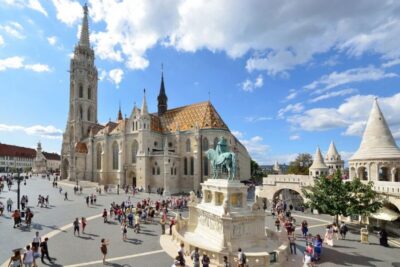 ★ 4.33-Hour Grand City Tour and Castle WalkFrom $491,437 reviews
 ★ 4.43-Hour Live Guided Sightseeing TourFrom $351,041 reviews
 ★ 5.0Budapest Highlights Bike TourFrom $39770 reviews
Browse the lists this tour appears in