
Tour review · TOURS
Café Wandering: An Excursion through Budapest’s Belle Epoque
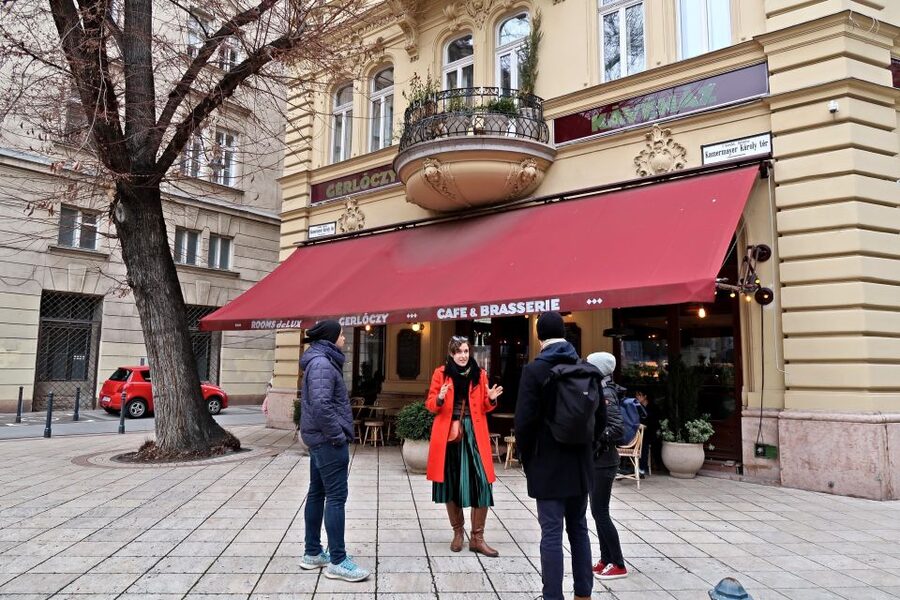
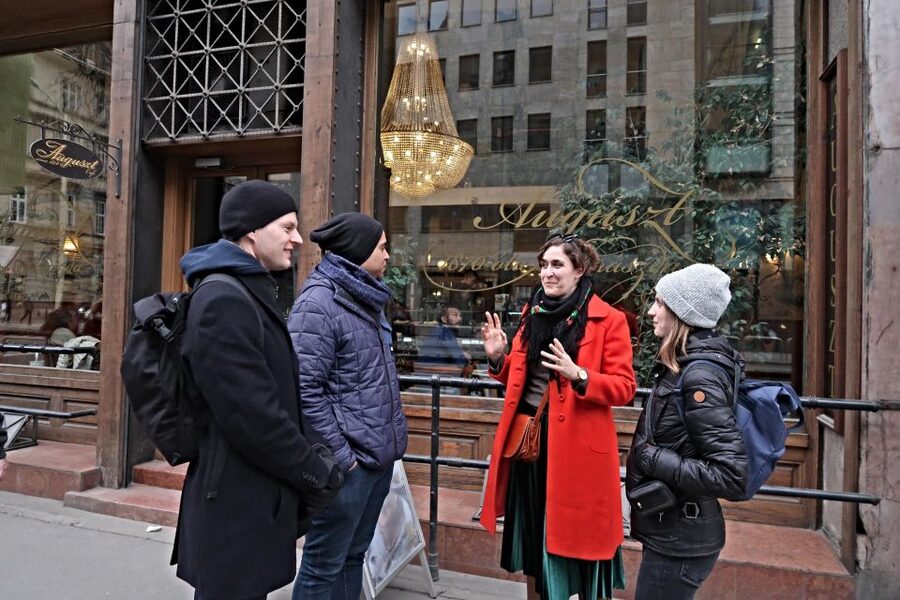
Budapest’s cafés read like architecture textbooks. This 3-hour walk, led by an art historian, threads you through Belle Epoque facades and the coffeehouse chatter that shaped 19th-century Hungary. I especially like the Gerbeaud Cafe interior, with its long Imperial Budapest reputation, and the stop at the Kazinczy Street Synagogue, where art nouveau details meet Orthodox tradition. One drawback to consider is that coffees, cakes, and refreshments at the cafés are not included, so bring a bit of extra budget.
The group stays small, capped at 8, which keeps the pace calm and the questions coming. In feedback I saw, a guide named Kota was praised as excellent, and you can tell the style of teaching is aimed at helping you see details, not just pass by buildings.
Key points you will care about
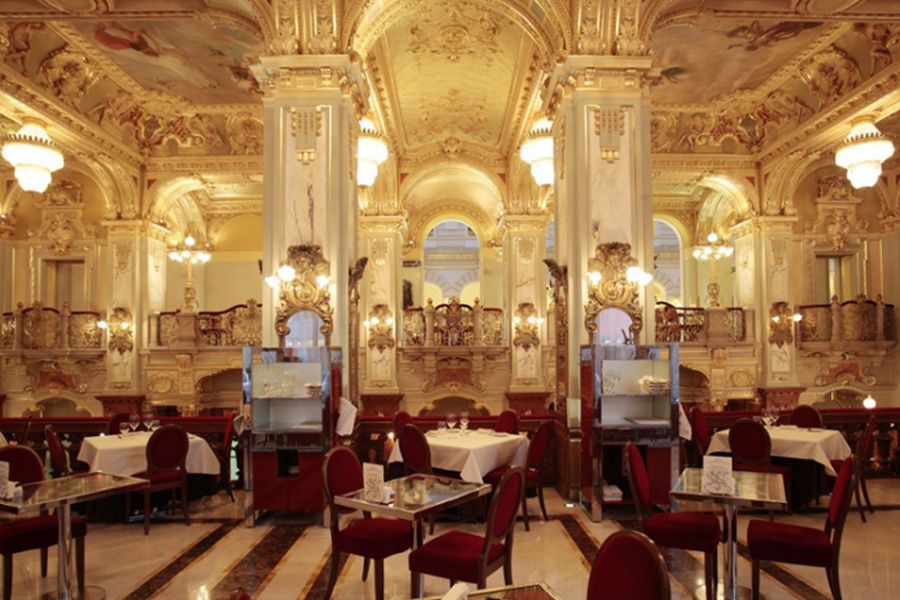
- Gerbeaud as the start: a perfect launch pad on Vörösmarty tér for Imperial-era café culture
- A tram ride along the Danube: a quick change of pace with views while you move between classic café interiors
- Gerbaud, Central, Astoria, and more: multiple flagship cafés in a single 3-hour loop
- Museum-style café walls: you’ll look closely at the lavish, older interiors rather than rushing photos
- Asian design motifs in café décor: you’ll learn to spot how designers borrowed from East and West
- An art nouveau finale at Kazinczy Street Synagogue: the walk ends with a striking, unusual spiritual landmark
Before the plan settles, compare this with a few more ways to spend time around Budapest.
- Budapest: City Highlights Cruise with Welcome Drink★ 4.6 · 35,610 reviews
- Budapest: Unlimited Prosecco, Beer and Aperol Spritz Cruise★ 4.8 · 25,310 reviews
- Budapest: Széchenyi Spa Day Ticket with Optional Upgrades★ 4.3 · 23,911 reviews
- Budapest: Nighttime or Daytime Sightseeing Cruise★ 4.2 · 21,062 reviews
A three-hour Belle Epoque walk that teaches you to look
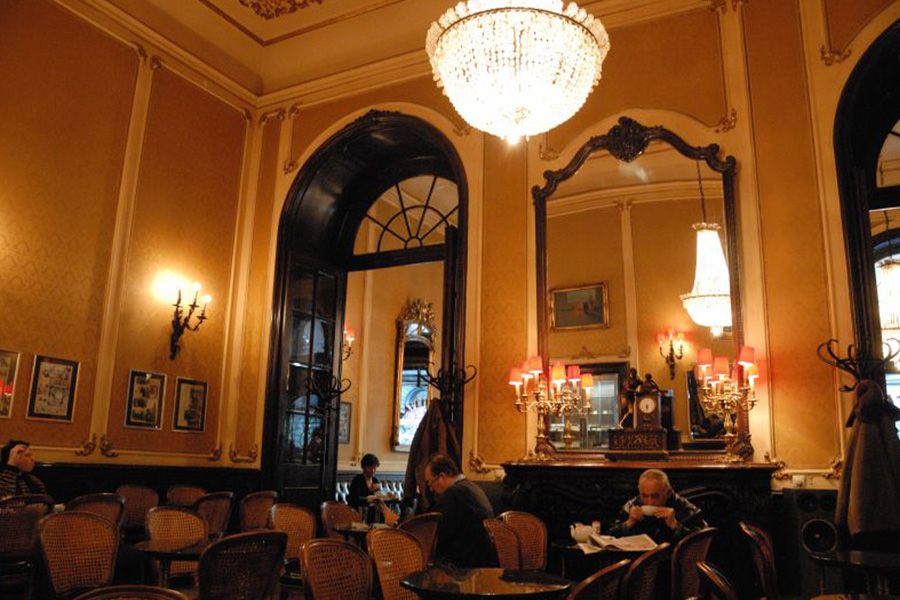
Budapest has grand buildings, but this tour’s trick is teaching you how to see why those buildings matter. You’re not just walking from one pretty storefront to another. An art historian guide helps you connect façades, interiors, and design choices to the people and ideas that circulated through cafés in the 19th and early 20th century.
For me, the value is the mix of architecture plus social history. Hungarian café culture wasn’t just about caffeine. It was where poets, artists, and writers met, argued, and wrote. When you know that, the ornate plasterwork and gold accents stop feeling like decoration and start feeling like a message.
At the same time, keep expectations realistic. Three hours is enough for highlights, not everything. If you want a full meal at each stop, this is not the format.
Meeting at Café Gerbeaud, right where the story begins
The tour starts at Café Gerbeaud on Vörösmarty tér, and that location is smart. It puts you in the middle of Budapest’s central, walkable core, so you can orient yourself fast.
Gerbeaud is also the right first stop because it frames the theme immediately: Imperial Budapest, expressed through café elegance. You get an inside look at an atmosphere that dates back more than a century. Even if you know nothing about Hungarian architecture, you can feel the design choices aimed at status and conversation, not speed.
A practical tip for enjoying Gerbeaud: don’t treat the interior like background. Pause and look at the ceiling and wall details the way your guide points them out. Café rooms like this were designed to make people linger. When you linger back, the place starts talking.
Moving by tram, getting Danube views, and arriving at Central Café 1887
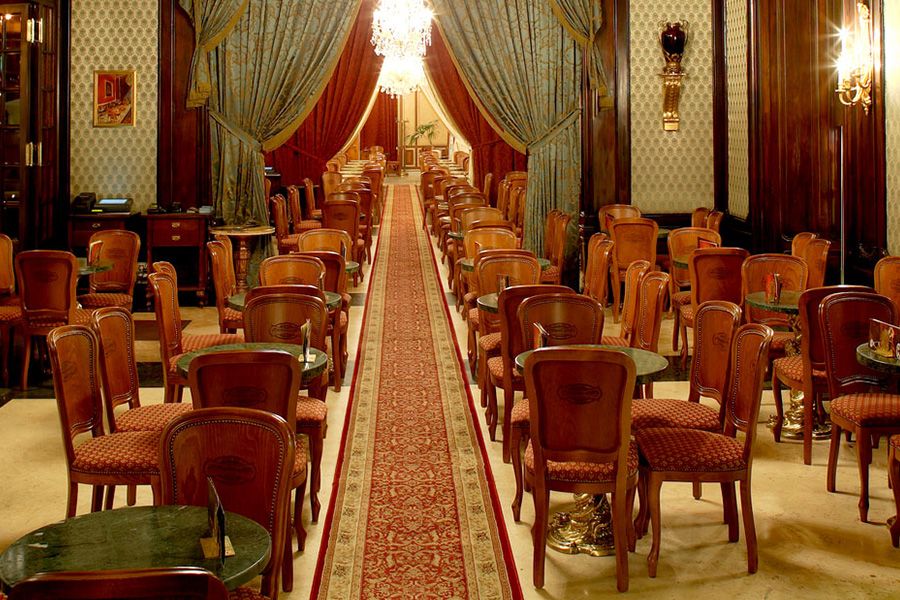
After Gerbeaud, you hop on a tram along the Danube to Central Cafe and Restaurant 1887. That tram segment does two jobs at once. It keeps the tour from feeling like nonstop walking, and it gives you a moving viewpoint while you shift from one historic café world to another.
Central Cafe works especially well on an architecture-focused tour because it delivers the sense of dignity and ceremony you expect from the Habsburg Empire’s economic and cultural peak. You’ll notice that the décor, plus the way the space is arranged for meals, desserts, and drinks, all reinforces café house culture as a lifestyle.
This is also a good moment to slow your pace. You’re going to see more interiors soon. If you take a couple of minutes here to learn the pattern of what to look for, the later cafés become easier to read.
Café Astoria: luxury design and the feeling of a classic European coffee house
Next comes Café Astoria, an architectural showstopper with an old-world grand feel. This stop is about scale and theatrical detail. The café’s interior is described as evocative of classic European coffee houses, and the impression is exactly that: a room built to make everyday life feel special.
Astoria is also useful in a tour like this because it expands your mental map. By now, you’ve learned the café idea as a social institution. At Astoria, you can connect that idea to design that signals wealth, taste, and big-city confidence.
A small caution: if you’re the kind of person who likes to take photos at every stop, Astoria is where you can overdo it. Try a different strategy. Take one or two photos, then put your camera away and focus on what your guide calls out.
- Budapest: City Highlights Cruise with Welcome Drink
★ 4.6 · 35,610 reviews - Budapest: Unlimited Prosecco, Beer and Aperol Spritz Cruise
★ 4.8 · 25,310 reviews - Budapest: Széchenyi Spa Day Ticket with Optional Upgrades
★ 4.3 · 23,911 reviews - Budapest: Nighttime or Daytime Sightseeing Cruise
★ 4.2 · 21,062 reviews - Budapest: 1-Hour Evening Sightseeing Cruise with Drink
★ 4.5 · 8,330 reviews
Urania Café on Rakoczi street, plus Budapest’s intellectual side
After the classic coffeehouse grandeur, the tour shifts again with Urania Cafe on Rakoczi street. This café is tied to an especially Budapest detail, the oldest film theater in the city, plus the tradition of lectures by prominent intellectuals for large audiences.
That matters because it broadens the café theme. Cafés were not only for writers working on desks. They were also for public thinking, big ideas, and community events. On this tour, it feels like the café space becomes a stage, with architecture as part of the set.
If you like context, this is one of your best stops. You start to understand cafés as information hubs, not just comfort stops.
Művész Coffee House and New York Palace: when décor becomes a lesson
As the walk continues, you’ll visit Művész Coffee House (Artist Cafe) and then New York Palace Café. These stops are less about one single landmark feature and more about comparing café identities across Budapest.
The tour also highlights an important design theme: Asian motifs and elements employed by designers. You’ll be encouraged to examine how these influences show up in décor choices. That’s not about turning the cafés into a trivia game. It’s about learning how designers in that era used visual language to suggest the wider world.
For you, this is where the tour becomes more than scenic. You start spotting how a designer’s choices create a specific mood, even if you can’t name the style immediately. And once you start noticing that, Budapest cafés become more satisfying even when you’re not on a guided walk.
Museum Cafe walls and the kind of “lavish” you can actually see
Another stop on the route brings you to Museum Cafe, known for lavish, older interiors. On a quick visit, you might only notice the overall impression. On this tour, you’re guided to look more specifically at the walls and the way the design creates depth, motion, and drama.
This is the part where the tour earns its art historian brain. Instead of saying ornate is ornate, your guide helps you connect ornament to meaning. Why would a café invest so heavily in interior decoration? What audience did it want? What did it signal in the city’s social hierarchy?
Don’t worry if you don’t have a background in art history. This is built to be readable. You’ll simply learn to look longer.
The Kazinczy Street Synagogue finale, art nouveau meets Orthodox tradition
The tour’s ending point is Kazinczy Street Synagogue, described as an art nouveau Orthodox synagogue. Ending here is a smart emotional beat. You’ve spent the tour learning about cafés as social spaces and design statements. Now you finish with a religious building that uses visual style to create identity and atmosphere.
Art nouveau details are about transformation and flow, and seeing that language in a sacred setting adds a new layer. It helps you understand how the era’s design ideas could show up in places of worship too, not only in cafés and theaters.
If you want a practical way to enjoy the finale, do this: arrive at the synagogue with your senses ready for detail. By now, your eyes are trained. You’ll catch more than you expect.
Price and value: what $123 buys you in real terms
The price is $123 per person for a 3-hour guided walk. That’s not cheap, but it is explainable.
Here’s what you get for the money:
- A live art historian guide
- A small group limited to 8
- A tightly planned route through multiple iconic interiors and buildings
In other words, you’re paying for interpretation and pacing. If you tried to do this on your own, you could see the cafés, but you’d miss the “why” behind the design and the social context that makes the architecture click.
The only financial catch is simple: refreshments are not included. If you plan to treat yourself to cake or coffee at each stop, your total day cost will rise. I recommend deciding in advance what you want to sample, then keep the rest as “look only” so you stay in budget.
Who this tour suits best
This tour fits you if you enjoy any of these:
- You like architecture, especially from the 19th and early 20th century
- You’re curious about how public life worked in old Budapest cafés
- You want an easy way to connect art, design, and social history in a short window
- You value a smaller group and a guide who can explain details clearly
If you’re only in Budapest for a quick taste of coffee culture with no interest in context, you might find the history-heavy approach slower than you want. For everyone else, it’s a strong match.
Should you book Café Wandering?
I’d book it if you want a guided, art-focused tour that makes Budapest’s Belle Epoque feel understandable, not just pretty. The route stacks major café stops in a short timeframe, and the synagogue finale adds contrast that you do not get on typical coffee tastings.
If your main goal is just eating and drinking, skip this and do a self-guided café crawl. But if you want the kind of experience where you leave able to read the city’s interiors, spot design influences, and understand what those cafés were really for, this one is worth your attention.
FAQ
How long is the Café Wandering tour?
The tour lasts 3 hours.
Where is the meeting point?
The meeting point is Café Gerbeaud, Budapest Vörösmarty tér 7-8, 1051.
Is the tour guided, and what language is it in?
Yes. It is a live tour with an English-speaking guide, and the tour is led by an art historian.
How big is the group?
The group is small, limited to 8 participants.
What’s included in the tour price?
Included are the 3-hour guided walk and the art historian guide.
Are refreshments, cakes, or coffee included?
No. The cost of refreshments, cakes, and coffees selected at the cafés is not included.
Can I cancel for a full refund?
Yes. Free cancellation is available up to 24 hours in advance for a full refund.
Is reserve now and pay later available?
Yes. You can reserve now and pay later, keeping your plans flexible by booking your spot and paying nothing today.
More Tours in Budapest





More Tour Reviews in Budapest






Recently added around Budapest


Tours, compared.
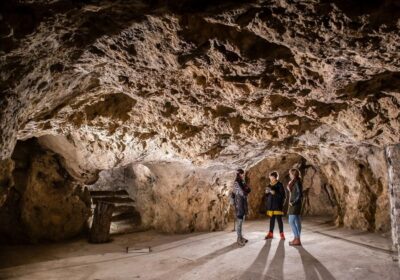 ★ 4.7Buda Castle Cave TourFrom $195,677 reviews
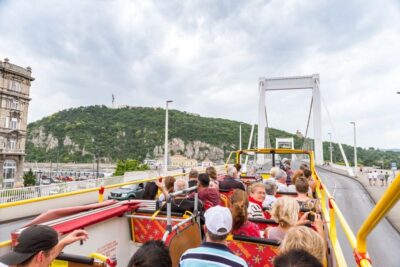 ★ 4.1City Sightseeing Hop-On Hop-Off Bus Tour & ExtrasFrom $414,337 reviews
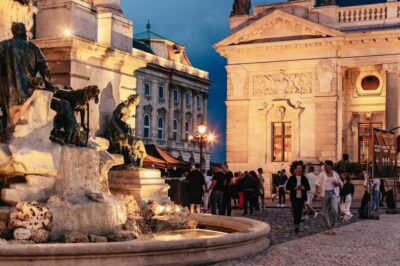 ★ 4.6Buda Castle District Vampires and Myths Night TourFrom $233,830 reviews
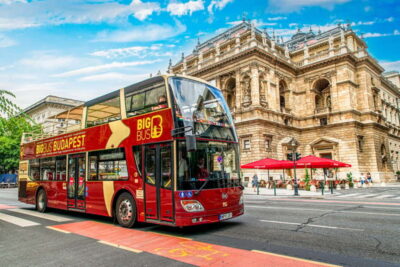 ★ 4.2Big Bus Hop-On Hop-Off Tour & Danube River CruiseFrom $403,794 reviews
 ★ 4.3Floating Bus Tour by Land and WaterFrom $283,342 reviews
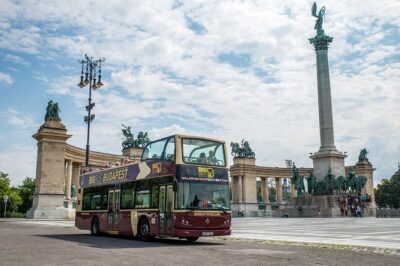 ★ 3.5Big Bus Budapest Hop-On Hop-Off Bus and Walking TourFrom $422,206 reviews
 ★ 4.6Buda Castle District Walking TourFrom $142,108 reviews
 ★ 5.0Budapest City Landmarks Walking Tour in 2 HoursFrom $32,048 reviews