
Tour review · BUDAPEST PRIVATE TOURS
Art Nouveau Tour in Budapest: 3-Hour Private Tour
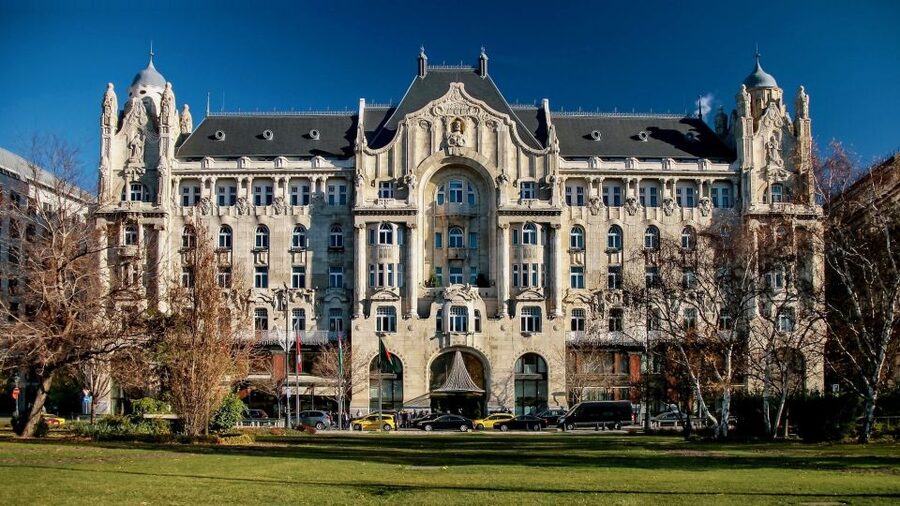
Budapest wears artful facades like a diary. In this private Art Nouveau tour, you time-walk through Pest’s late 1890s and early 1900s, with a guide helping you read the city like architecture, not just scenery. You also get the chance to chase a few side questions, because the pace is set for your group.
I really like two things about this experience. First, the way it explains why Art Nouveau took off in Budapest, including why it is called szecesszió and how Hungarian folk motifs got built into the designs. Second, you cover those extra details you would totally miss on your own, like the reasons behind decorative late 19th-century facades and the story behind beehive symbols on public buildings.
One thing to consider: it is not designed for people with mobility impairments, and you’ll want comfortable shoes since the tour is built around walking between stops for about 3 hours.
Key highlights you’ll actually notice
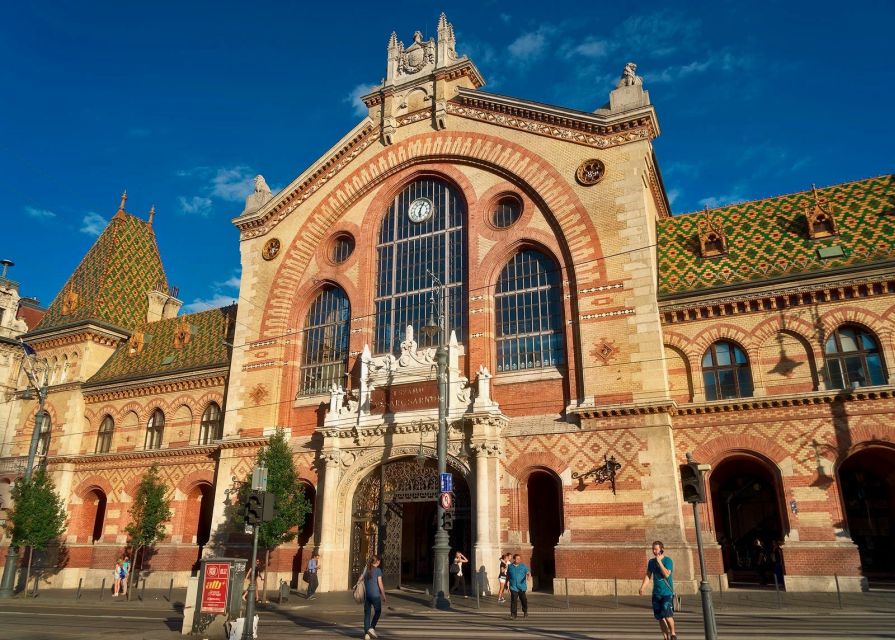
- Secession, szecesszió explained so you understand what the movement meant locally, not just stylistically
- Folk motifs in the details, where national identity shows up in ornament you might otherwise skip
- Beehive symbolism on Budapest public buildings, explained in plain language
- Why the city looks the way it does, including what the guide says about the lack of skyscrapers
- A guide who answers questions, with real flexibility if you want to go off-script
Other Budapest days with the guide to yourself
- Private Budapest TukTuk Tour: Custom Route, Hotel Pickup★ 5.0 · 1,307 reviews
- Budapest Essentials Private Tour Highlights and Hidden Gems★ 5.0 · 861 reviews
- Private Budapest City tour with Classic Russian Jeep or G-Wagon!★ 5.0 · 386 reviews
- Private city tour by van★ 5.0 · 273 reviews
How Pest’s Art Nouveau became a visual language you can read
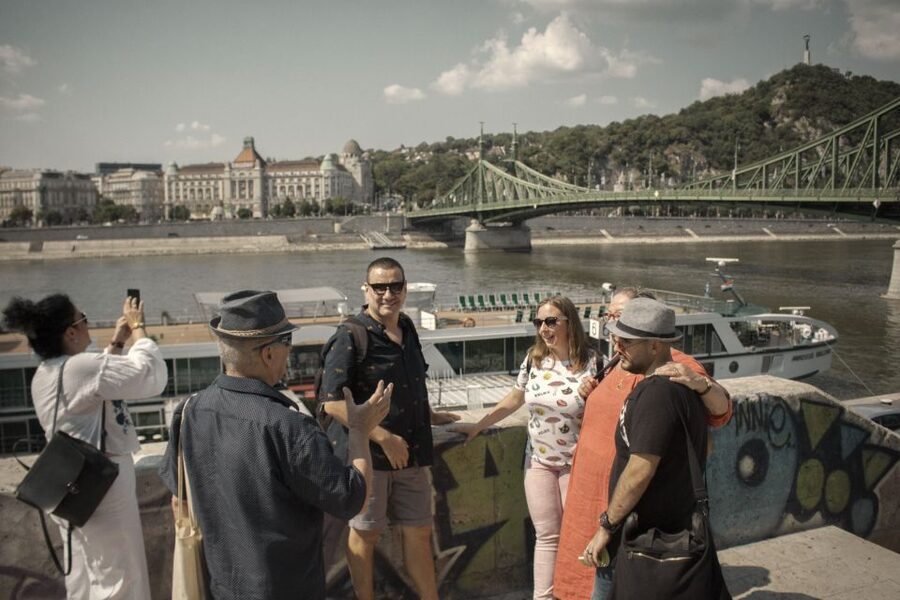
Art Nouveau in Budapest is not one single building style you can spot once and then forget. It is more like a citywide conversation. On this tour, you focus on the period when Pest was booming and the look of everyday streets started reflecting big ideas about culture, modern life, and national character.
The best part is that you don’t just get a list of buildings. You get context for what you are seeing. You’ll learn why many late 19th-century facades were so decorated, and you’ll start noticing the difference between decoration that is purely flashy and decoration that carries meaning. That makes your later self-guided walking easier, because you know what to look for.
And because this is a private group, your guide can tailor the explanations to how you think. If you are more into history, you will get the historical decades behind the style. If you just want to understand the look, you’ll get the architecture explained in everyday terms.
Why Art Nouveau is called Secession, szecesszió
Here is the thing that makes this tour feel different from generic architecture walks: it gives you the local name and the local logic. Art Nouveau in many places is discussed as a European trend, but in Budapest it is tied to a specific identity and timing. You’ll hear why it is called Secession, szecesszió, and how that term connects to the way Hungarian architects and artists pushed against older expectations.
What you’ll take away is that the movement wasn’t only about aesthetics. It was also about freedom in design, about choosing a new visual voice at a time when the city was growing fast. Once you grasp that, those organic lines, ornamental surfaces, and symbolic details start to make sense. They stop looking like random flourishes and start reading like a message.
Hungarian folk motifs in the ornament, not in a museum exhibit
Budapest’s Art Nouveau is famous for ornament, but the tour goes one step further. It focuses on how Hungarian folk motifs were built into the designs. That matters because it changes how you interpret the façade.
Instead of thinking, Oh, pretty flowers, you start seeing patterns as cultural fingerprints. You can expect your guide to point out where those elements show up and to connect them to a broader idea of Hungarian identity during the late 19th and early 20th centuries.
If you care about travel beyond postcards, this is a big deal. When a city uses folk imagery in mainstream architecture, it tells you how people wanted to represent themselves in public life. It is culture turned into street-level design.
Decorative facades and the mystery of Budapest’s skyline
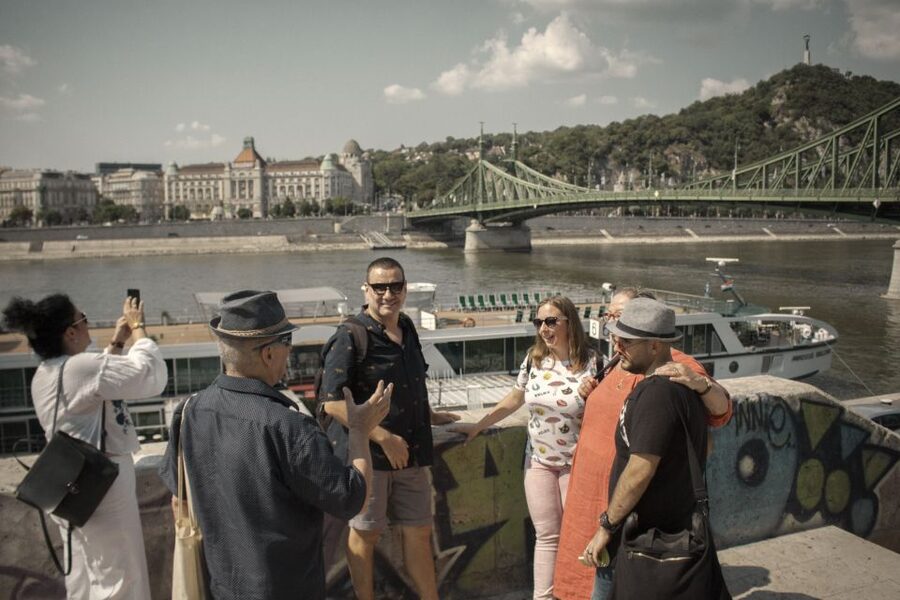
The tour has a clever way of teaching you to look. It highlights two concepts that often confuse first-time visitors.
One is why the facades of many late 19th-century buildings are so decorated. A lot of people walk past that kind of detail without realizing it is part of a bigger urban plan and mindset. Here, you’ll get an explanation for the facade logic, so the street doesn’t feel random.
The second is a question that gets under your skin: why there are no skyscrapers in Budapest. You might already suspect there are planning, timing, and development reasons, but this tour specifically teaches you what the guide says about the city’s growth pattern and architectural priorities. Even if you keep walking after the tour, that question sticks. It makes the city feel more intentional.
More days handed to a private guide
- Budapest Private Tuk Tuk Half-Day Tour
★ 5.0 · 606 reviews - Budapest One Way Private Transfer to or from Airport
★ 4.5 · 548 reviews - Budapest Private Luxury Sightseeing Tour with Guide and Transport
★ 5.0 · 442 reviews - Budapest Private Full Day City Sightseeing Tour Walking or by Car
★ 5.0 · 299 reviews - Private photography photo session at Fisherman Bastion
★ 5.0 · 269 reviews
Bee hives on public buildings, why symbolism matters
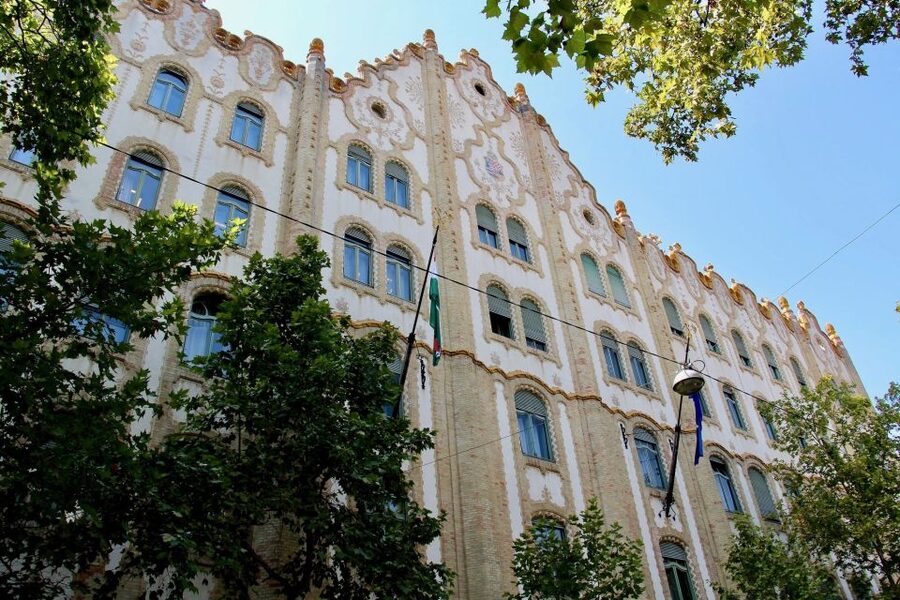
Not all Art Nouveau details are simply decorative. This tour calls attention to public-building ornament that includes beehives. The beehive motif can look like a charming design choice until you understand what it represents and why it appears in civic contexts.
This is one of those moments where the tour pays off quickly. You stand in front of something that looks patterned and you learn the story behind it. After that, you can’t unsee the meaning. It also makes you more confident spotting other symbolic elements later, because you realize Budapest is not just decorating, it is communicating.
Architect stories, the human side of a style
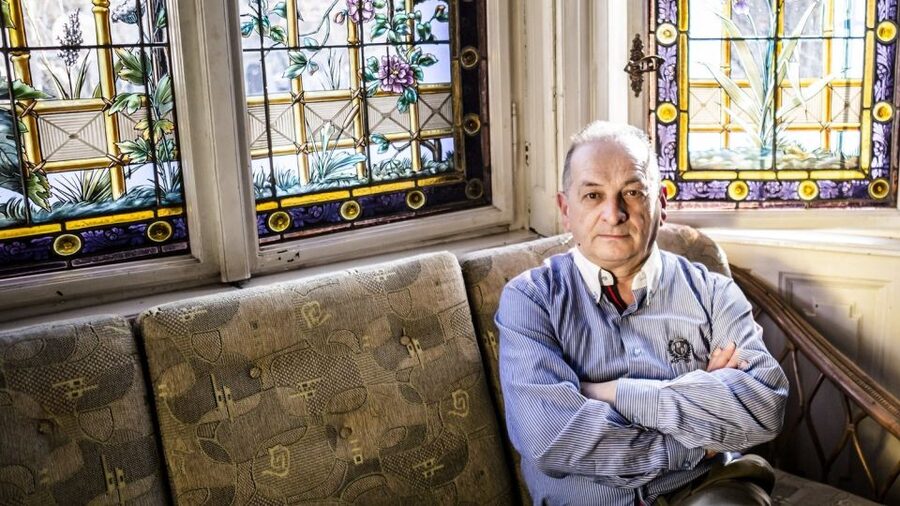
Art Nouveau can feel abstract if you treat it like a visual trend. This tour helps it feel human. You’ll hear tales about the architects behind the buildings and how they approached design choices.
That matters because architects are not just nameplates. They are people responding to the moment: what the city needed, what patrons wanted, and what designers believed the future should look like. Once you connect the buildings to the people, you stop thinking in terms of style labels and start thinking about motivations.
Also, those architect stories usually lead to better conversation in the moment. If you like asking questions, this tour seems built for it. One guide named Miklos came up repeatedly for being flexible and willing to answer questions beyond the architecture, including questions about the land and the people. If your brain runs in history and culture tracks, you’ll likely enjoy that kind of exchange.
What the 3 hours feels like in real life
This experience is listed as 3 hours, which is a sweet spot for focused architecture without turning into a marathon. You’re not stuck for half a day, but you also have enough time to absorb patterns.
Because it is private, it does not feel like you are being rushed through the highlights. You can ask questions and get answers that match your level of interest. Even on cold days, the format is designed so the time passes quickly when explanations land the right way.
You should still plan for practical comfort. Wear shoes you can walk in for a few hours. The tour is not described as heavy on logistics or extra stops for food, so keep your body ready for steady walking.
Pickup at your accommodation, and why that convenience matters
A small detail with big impact: pickup is included. Your guide meets you at your accommodation in Budapest, then you head together to the first stop.
That matters because you spend less time figuring out where to start and more time watching the architecture change as you move. It also makes the tour easier for visitors who are staying a bit off the main sightseeing grid.
There’s one thing to remember: you need to tell the local partner where you want pickup. If you’re flexible, you’ll have an easier time. If you’re strict about meeting points, plan to coordinate carefully so everyone arrives smoothly.
What you get for $127 per person, and when it feels like a bargain
At $127 per person for 3 hours, this is not a cheap impulse buy. But it can be good value if you care about interpretation.
Why? You get a live guide (English, German, Albanian), plus take-home materials: notebooks, pens, and printed material. You also get a private format, which usually means less generic storytelling and more personalized pacing. And with pickup included, you’re not paying extra in time or transport effort just to get started.
This feels especially worth it if:
- You want architecture explained in context, not just pointed out
- You are the kind of traveler who likes asking follow-up questions
- You want a structured starting point for self-guided walking afterward
- Your group is small enough that private attention matters
It may feel less worth it if you only want photos and don’t care about the why behind the details. If that is you, a quick self-guided walk plus a good architecture book might do the job. But if you want meaning, this tour is built for that.
Languages and guide style, so you can match your comfort level
The tour runs with a live guide in English, German, or Albanian. That’s helpful if you want to ask questions in your strongest language and get answers that land correctly.
From the experiences shared, Miklos is highlighted as a guide who turns architecture into real-life context. He also connected the Art Nouveau tour with practical city understanding, including the tram and the underground. Even if you are not focused on transit, this kind of guidance can make the rest of your Budapest days easier.
Things the tour does not include, and how to plan around them
Food and drink are not included. Transportation is not included, either. That is normal for a city walking tour, but it affects how you schedule the rest of your day.
A smart approach is to plan a meal after the tour. This helps you avoid rushing and keeps you from getting cold or distracted while you hunt for something to eat. Also, because you are meeting your guide and then walking, you’ll want your day structured around being out and comfortable for the full 3 hours.
Who this Art Nouveau Budapest tour suits best
This is a great fit if you:
- Love architecture and want it explained with culture and history
- Enjoy small details like symbols, patterns, and ornament you can point out later
- Prefer a private pace where questions are welcome
- Want to understand Budapest in a different theme than the usual river and ruin circuits
It is not suitable for people with mobility impairments. If you have limited mobility, you’ll likely find a walking-centered, façade-focused route hard to manage.
Should you book this Art Nouveau tour?
I think you should book it if you want Budapest to feel specific, not generic. This tour is for people who like understanding why a city looks the way it does, and who enjoy the moment when architecture details turn into stories.
If your priority is high-photo efficiency and you do not care about meanings behind Secession, szecesszió, folk motifs, beehives, and decorative facades, you might get by with a simpler approach. But if you want a guide who can explain the style and connect it to Hungarian identity, this is one of the better ways to spend 3 hours in Pest.
FAQ
How long is the Art Nouveau Tour in Budapest?
The tour lasts 3 hours.
Is this tour private?
Yes, it is a private group tour.
What is the price per person?
The price is $127 per person.
What languages are offered for the live guide?
The live tour guide speaks English, German, and Albanian.
Is pickup included?
Yes. Your guide will meet you at your accommodation in Budapest, and you will head together to the first stop.
What is included in the tour?
Included items are notebooks, pens, and printed material.
What is not included?
Food and drink are not included, and transportation is not included.
What should I bring?
Bring comfortable shoes and comfortable clothes.
Is the tour accessible for people with mobility impairments?
No, it is not suitable for people with mobility impairments.
What is the cancellation policy?
You can cancel up to 24 hours in advance for a full refund.
More Tours in Budapest






More Private Days in Budapest





More Tour Reviews in Budapest






Recently added around Budapest



Budapest Private Tours, compared.
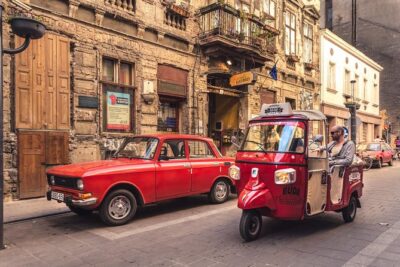 ★ 5.0Private Budapest TukTuk Tour: Custom Route, Hotel PickupFrom $991,307 reviews
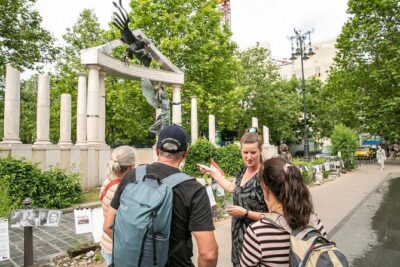 ★ 5.0Budapest Essentials Private Tour Highlights and Hidden GemsFrom $116861 reviews
 ★ 5.0Private Budapest City tour with Classic Russian Jeep or G-Wagon!From $256386 reviews
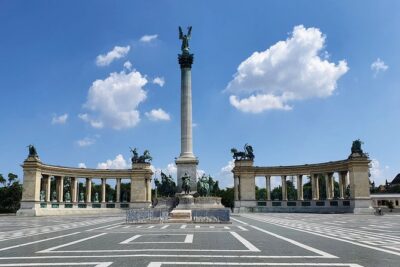 ★ 5.0Private city tour by vanFrom $181273 reviews
 ★ 4.9Private City Tour with a Vintage Russian JeepFrom $318246 reviews
★ 5.0Budapest Private City Tour With a Vintage Russian JeepFrom $261198 reviews
★ 4.9Private City Tour with a Vintage Russian JeepFrom $318246 reviews
★ 5.0Budapest Private City Tour With a Vintage Russian JeepFrom $261198 reviews
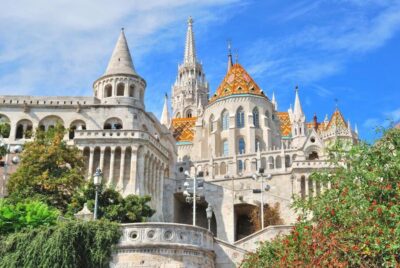 ★ 4.7Private City Tour with Local GuideFrom $222186 reviews
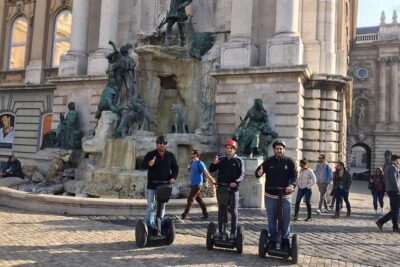 ★ 5.0Grand Segway Tour of Budapest – Private Tour with Coffee StopFrom $107163 reviews
Browse the lists this tour appears in