
Tour review · SZENTENDRE DAY TRIPS
Hungary: Szentendre Retro Design Center Entry Ticket
A hippie hello sets the tone fast. This Szentendre Retro Design Center entry ticket is a fun, family-friendly way to see everyday life in the 1970s Eastern Bloc, with photo moments in retro vehicles and displays that make the era feel oddly familiar. I especially love the chance to sit in famous cars like the pink Cabriolet Wartburg and the famous Ikarus bus, and I also enjoy the way the museum uses real objects, from communist-era toys to old TVs and radios, not just pictures. One thing to plan around: the longer guided tour happens only in the morning, so your entry time matters.
You get about an hour to move through roughly 1,000 square meters of exhibits, including 30 vintage vehicles and room sets, with an English host greeting you at arrival. The museum is in a small town outside Budapest, so build in time to get there, especially if you’re pairing it with other stops the same day.
Key things to know before you go
- Photo-friendly vintage vehicles: sit in the Wartburg, Trabant, and hop-like moments around the Ikarus bus setup
- Eastern Europe dioramas: Polish Market scene plus a camping setup for good “what life looked like” context
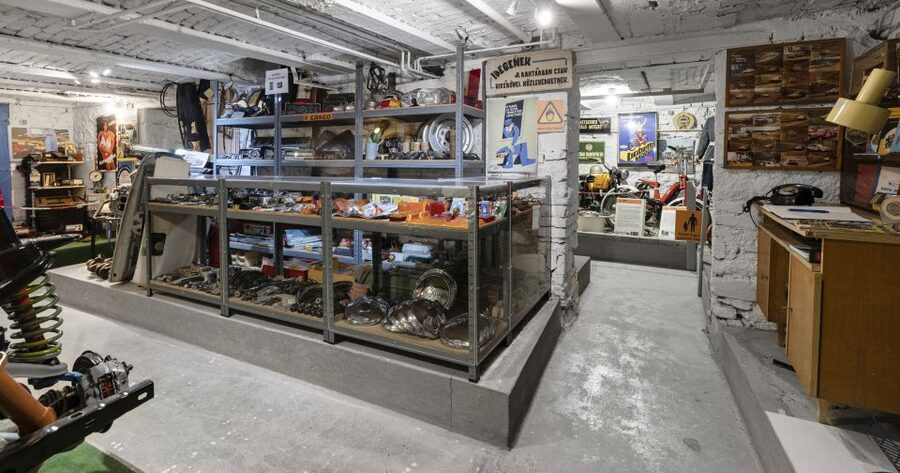
- Real everyday objects: communist-era toys, appliances, radios, and TV sets tied to the 70s look
- A furnished 70s apartment: living room and kitchen rooms help you connect the objects to real routines
- Text support in multiple languages: English, German, or Russian reading materials as you explore
- Time-sensitive guided tour: morning tours can add value, so check your entry slot
More time among Szentendre’s galleries and lanes
- Szentendre, Visegrád and Esztergom Private Danube Bend Tour★ 4.9 · 23 reviews
- Hungary: Szentendre Retro Design Center Entry Ticket★ 4.5 · 10 reviews
- Private tour: Budapest>Szentendre>Visegrád>Esztergom & back★ 4.1 · 7 reviews
- Szentendre: Arts and Cafés Tour (Half-Day Private Tour)★ 5.0 · 3 reviews
How the Retro Design Center Works in About One Hour
Think of the Retro Design Center as a compact time machine you can actually finish. Your ticket gets you admission, and the visit is designed to take about one hour, with entry times you can check in advance. When you arrive, you’ll get a greeting from a friendly, English-speaking host, and the museum leans into the theme immediately with a 70s-style hippie welcome.
Once inside, you’re not stuck watching a film first. You start walking through the exhibits right away: vehicles, room sets, dioramas, and object displays. The museum also provides written text guidance, available in English, German, or Russian, so you can slow down where you want and skim where you don’t.
What you’ll actually do during the visit
I like that you can set your own pace. If your focus is cars, you can spend extra time in the vehicle area and still make it through the dioramas and apartment rooms. If you’re more into home life, you can prioritize the appliance displays and room sets without feeling guilty that you skipped a corner.
Small practical note
The visit is short, but it’s not just “look and go.” Many exhibits include text, and you’ll likely want to pause for photos, especially around the vehicles. If you’re traveling with kids, you’ll probably spend extra time with the toy section and the car seats.
The 70s Vehicle Collection: Wartburg, Trabant, Moskvitch, and the Ikarus Bus
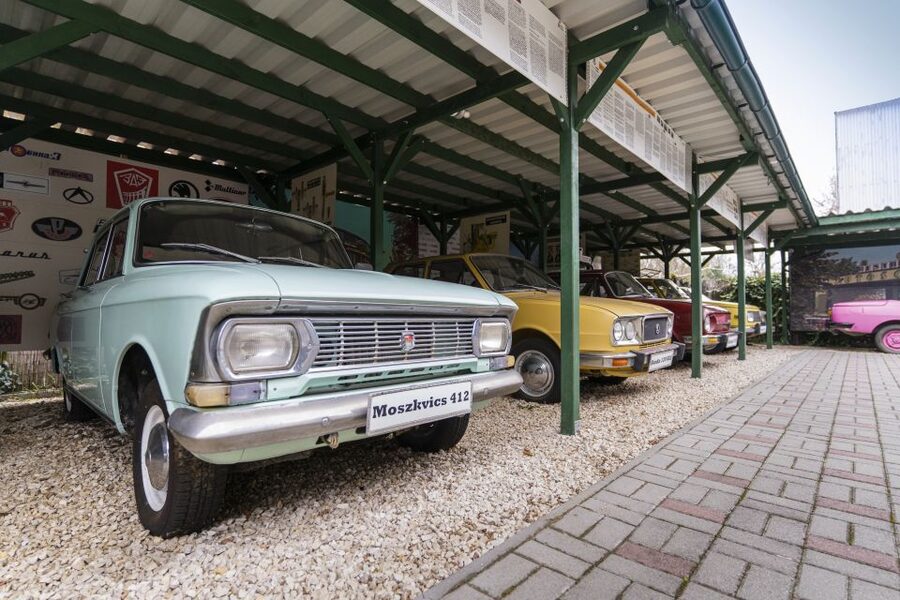
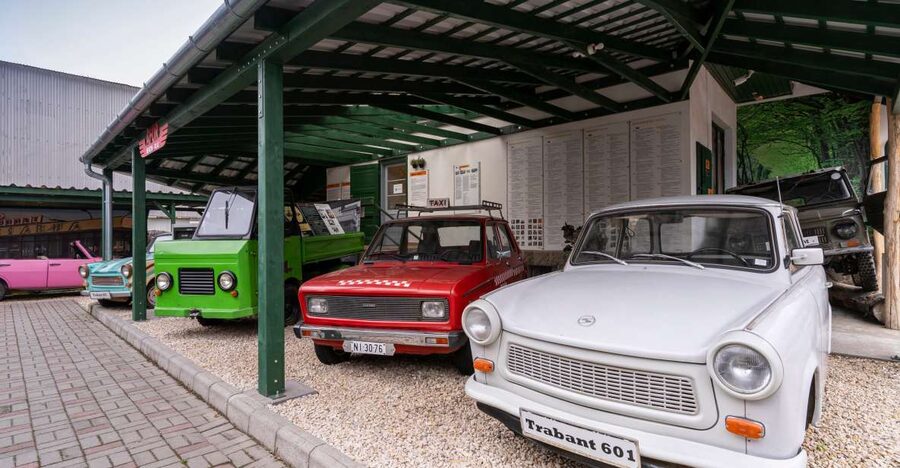
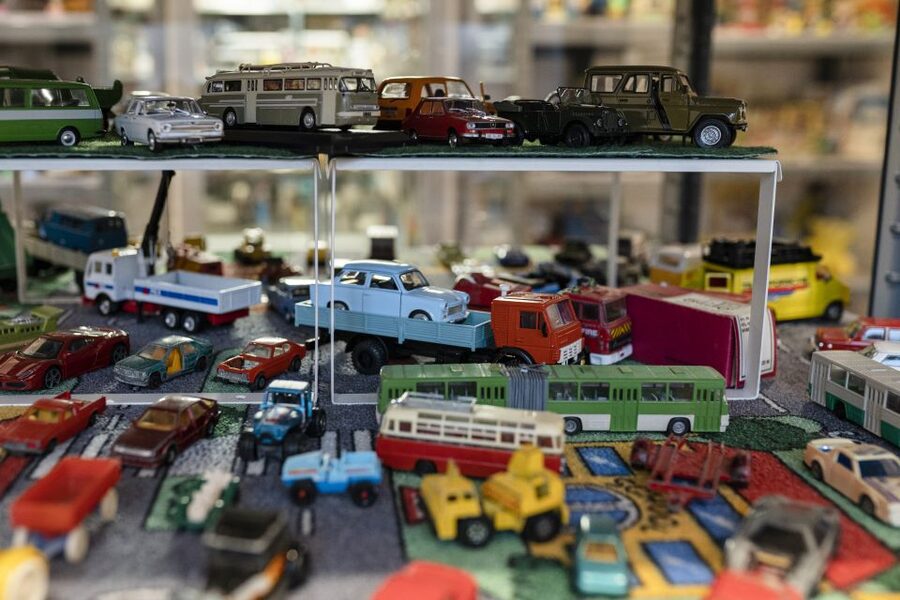
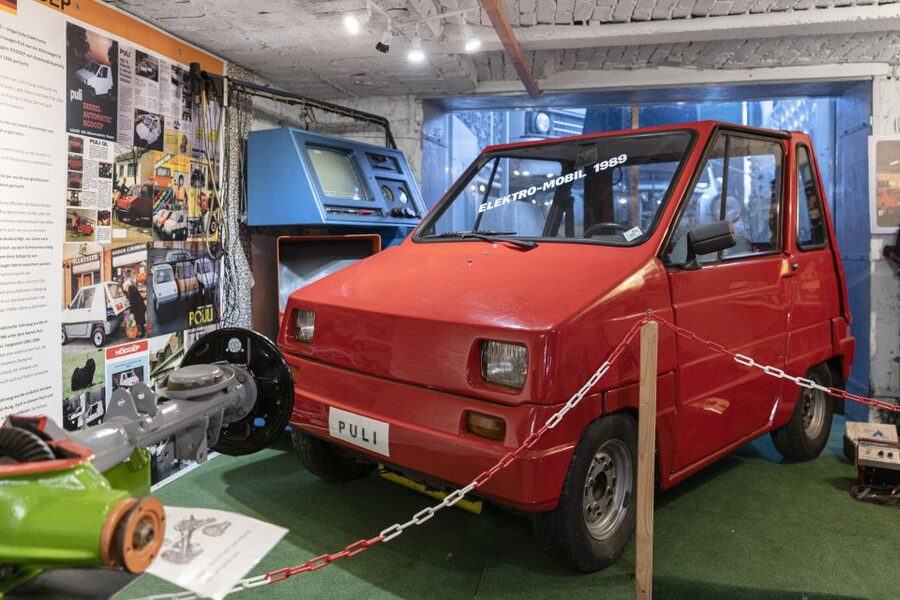
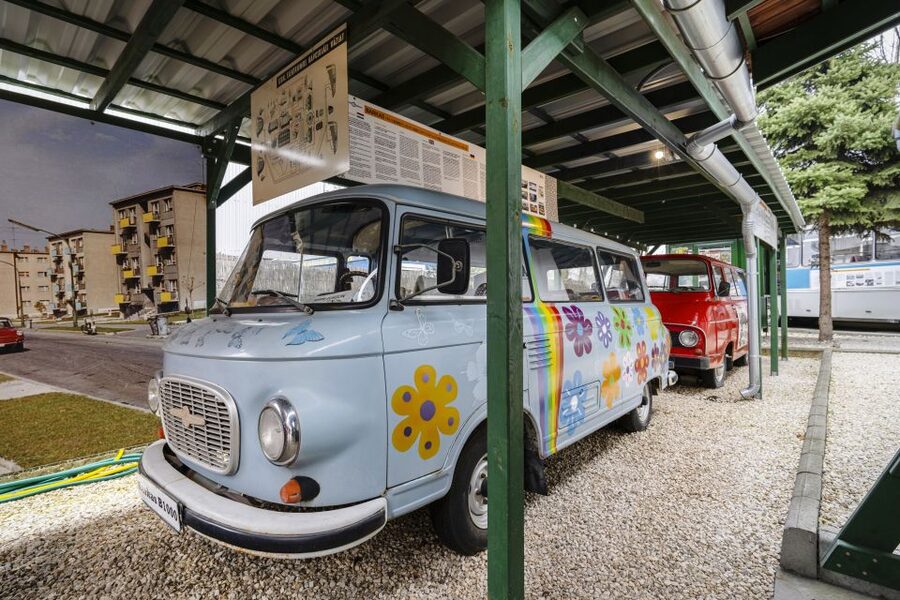
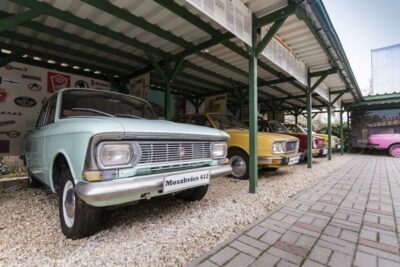
The biggest reason to buy this ticket is simple: it’s built around vehicles from the era, and they’re presented in a way that makes you want to step closer. You’ll see about 30 vintage cars, including Trabant, Moskvitch, and models like Zhighuli. The museum also highlights Eastern Bloc commercial life, including a Barkas Furgon van.
- Budapest by Bike – 1 Day Bike Rental (9am-6pm)
★ 4.4 · 7 reviews - Szentendre: Arts and Cafés Tour (Half-Day Private Tour)
★ 5.0 · 3 reviews
The photo moments I’d plan for
If you’re even slightly a “photo person,” you’ll have a good time here. The setup encourages interaction, and you can get into or sit in vehicles like the pink Cabriolet Wartburg and a Trabant. The Ikarus bus is also a star attraction. It’s the kind of display that makes you think, not just photograph. You start imagining how people got around, where they sat, and what regular travel felt like when these were the everyday choices.
Why this matters beyond the photos
It’s easy to treat these as props from a retro movie. But the museum’s vehicle lineup is doing something more grounded. It connects design, engineering, and daily transport into one visual story. When you see these cars grouped with toys, radios, and household items, the era stops feeling like a costume.
A drawback to factor in
If you’re arriving outside a guided tour window, you might miss some extra context that helps you understand what makes certain cars notable. The exhibits are still good without that, but the guided component can add meaning, especially if you like explanations.
The Polish Market Diorama and Other Scene-Style Displays
Some museums show objects. This one also shows scenes, and those scenes make the setting click faster. A highlight is the Polish Market diorama, which gives you a “street-level” view of how everyday spaces might have looked in the region and time period.
You’ll also see scene-style displays like a camping setup, which helps break up the museum from a purely vehicle-and-machine experience. These miniature environments are useful when you’re trying to build mental links between transport, home goods, and leisure.
How to get more value from the dioramas
Don’t treat them as background. Spend a few minutes reading the text labels near the scenes, then look again. The second look usually makes you notice details you’d miss the first time, like how items are arranged and what people seemed to prioritize in everyday life.
For families
Dioramas work well with kids because they’re visually readable. Even if the text is a slower read, kids tend to spot interesting shapes quickly, and it makes the museum feel like a “world,” not a warehouse.
Communist-Era Toys, Radios, TVs, and the Stuff of Daily Life
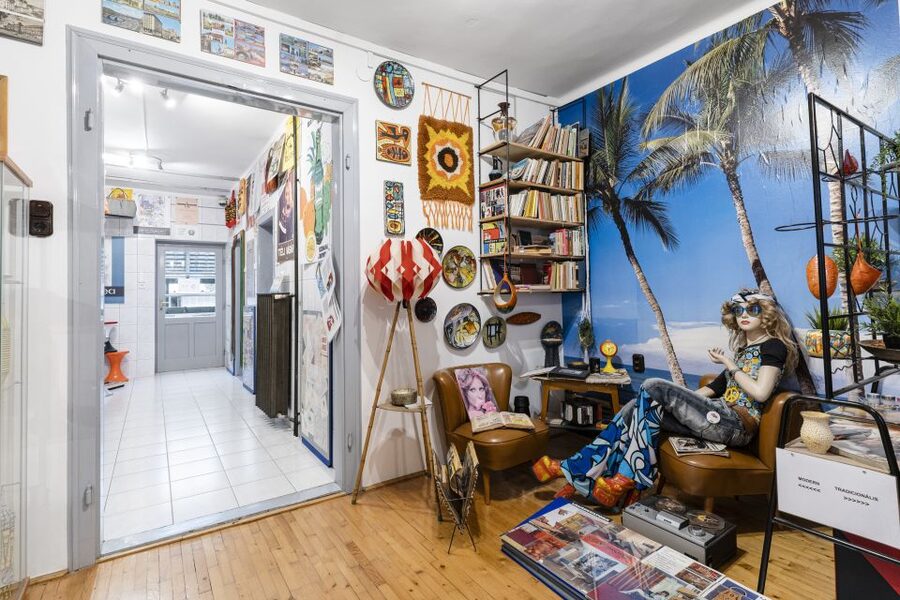
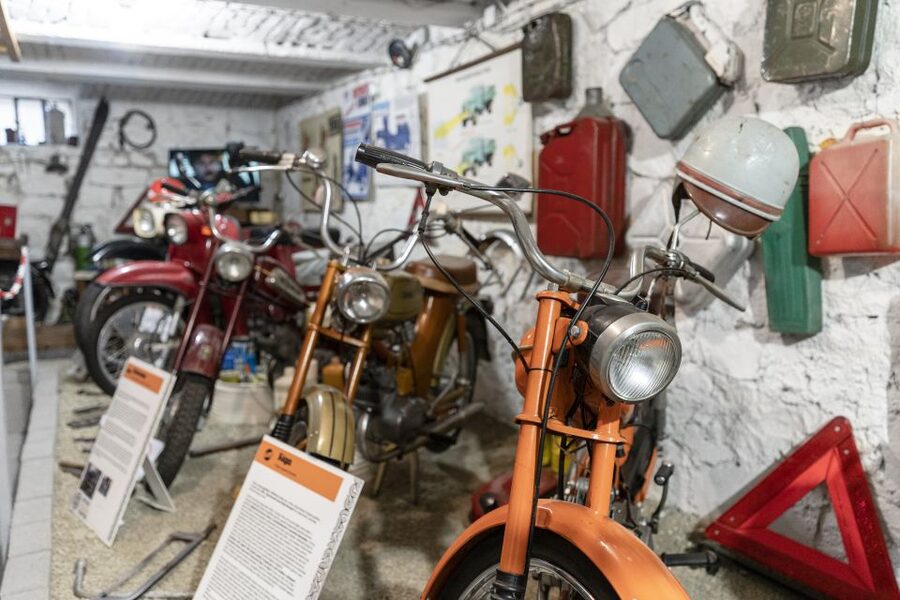
This is the part that surprised me in a good way, because it’s where the museum stops being just nostalgia and becomes practical. You’ll find displays of retro toys and household appliances. There are also television sets and radios, plus more everyday tech you might recognize even if you’re from a different generation.
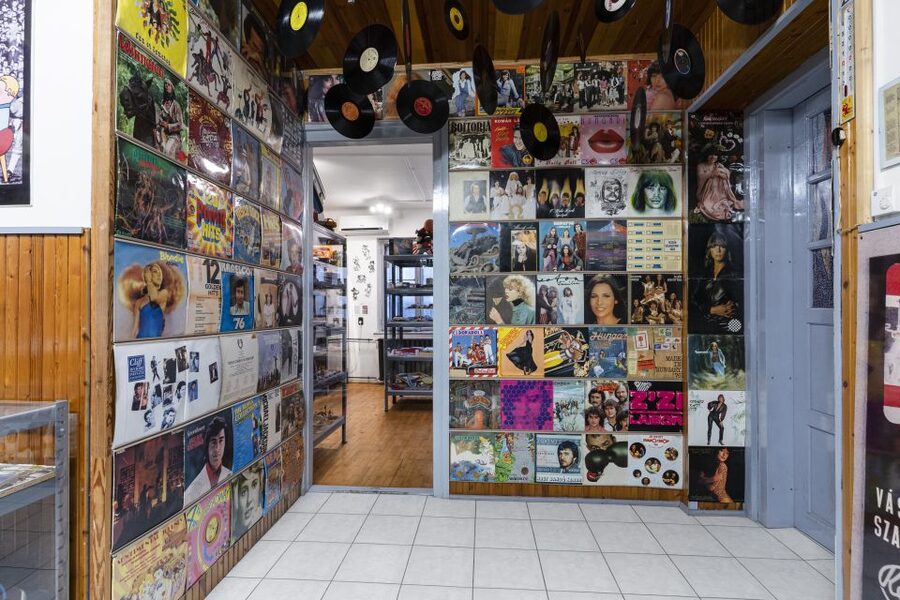
The museum also includes walls with 70s LPs, which is a small detail that adds texture. It’s the kind of thing that anchors the era. Instead of only seeing big-ticket items, you see what people filled rooms with.
Why these objects hit harder than you expect
When I see a car, I picture travel. When I see a toy, a radio, and a TV together, I start picturing routines. It’s the everyday rhythm that helps you understand why the 70s look so specific: the objects aren’t just retro, they were part of home life.
What to watch for
Look at the labels and the written text guidance. The museum provides explanations in English, German, or Russian, so you can pick what you prefer. If you’re short on time, focus on the displays that have the most text and treat the others as visual highlights.
The Furnished 70s Apartment: Living Room and Kitchen Views
One of the best ways to understand a past decade is to see a room where people actually lived. Here, you’ll find a furnished apartment presented in 1970s style, including a living room and kitchen.
This is where the museum connects the dots between objects and habits. You might notice how seating and layout shapes conversation. Or you might spot household items that explain how a kitchen was used. Even if you don’t read every label, the room setting makes the displayed goods feel intentional.
Use the text guide, even briefly
The museum’s written text guidance is available in English, German, or Russian. I’d recommend using it for at least the main room sets. It turns “cool old stuff” into “this is how it fit into life.” If language choice is important to you, check what you’ll likely understand best before you go, since you’ll be reading while walking.
Price and Logistics: Is It Worth the About $11?
At roughly $11 per person for a one-hour visit, the value is strong, especially if you’re the type who enjoys short stops that don’t drain your whole day. You’re paying for a concentrated experience: vehicles, dioramas, apartment rooms, and lots of object displays, not just one room or one theme.
When the $11 is especially good value
- You’re already planning a visit to Szentendre and want an easy, timed activity that fits in before or after lunch
- You like hands-on photo moments, especially around vintage vehicles
- You want a quick introduction to how life looked in Eastern Bloc settings during the 1970s
When to be cautious
The museum is outside Budapest in a smaller town, so your travel time matters. If you’re doing a tight schedule in the city center, that ride can eat into your day. Also, parking isn’t included, so if you’re driving, plan that cost and time separately.
A timing gotcha to plan around
There can be a difference between just walking through exhibits and getting a guided tour. One useful consideration: the guided tour is only offered in the morning. If you want that extra context, pick a time that lines up with it. If you’re happy to self-guide with the text materials, you’ll still get a lot from the displays.
Who This Ticket Suits Best
This ticket fits best if you like:
- Retro design and industrial history shown through real objects
- Cars as a window into daily life, not just engineering trivia
- A short, focused visit that you can finish in about an hour
- Photo opportunities in a museum setting, especially around vehicles
It’s also a great match for families who want something more interesting than a standard history walk. The toy displays and the scene-style dioramas keep kids engaged without requiring museum-level patience.
Who might not love it
If you’re expecting a massive museum with lots of sprawling rooms and long lectures, this is a short format. If you only want guided talking tours, you’ll need to be careful about morning timing. And if transport to Szentendre is a hassle for your itinerary, you may decide it’s not worth the time you spend getting there.
Should You Book the Szentendre Retro Design Center Entry Ticket?
I’d book it if you want a quick, fun way to understand the 1970s Eastern Bloc through objects you can see up close. The vehicle area and the Ikarus bus are the headline, but the real win is how the museum pairs cars with toys, appliances, radios, TVs, and a furnished apartment. That combination turns a theme into a believable snapshot of everyday life.
Skip or reconsider if you’re pressed for time in Budapest and don’t want to travel to a smaller town, or if your visit timing falls outside the morning guided tour you’re hoping for. If that’s you, you can still go, just adjust expectations: focus on self-guided walking with the text support.
If your schedule allows a calm hour and you’re curious about how design and daily life connect, this is one of those tickets that rewards curiosity without demanding it.
FAQ
How long is the Szentendre Retro Design Center entry ticket experience?
The experience is listed as about 1 hour.
What is included with this ticket?
The ticket includes admission.
What is the price per person?
The price is listed as $11 per person.
Where is the Retro Design Center located?
It is in Szentendre, in central Hungary, outside of Budapest.
Does the ticket include parking?
No, parking is not included.
Will I have a guide or greeter during the visit?
You will have a host or greeter, and English is available.
What languages are the text guides available in inside the museum?
The written text guidance is available in English, German, and Russian.
Can I take photos inside the museum?
Yes. The displays include vintage vehicles where you can sit and take photos.
What major attractions will I see?
You can expect about 30 vintage cars, including models such as Trabant, Moskvitch, and the Ikarus bus, plus dioramas and retro household displays.
Is there a guided tour, and does timing matter?
The guided tour is only in the morning, so your entry time can affect whether you catch it.
Is it easy to schedule with flexible plans?
You can cancel up to 24 hours in advance for a full refund, and there is also a reserve now & pay later option mentioned.
More Time in Szentendre




More Tour Reviews in Szentendre


Recently added around Szentendre




Szentendre Day Trips, compared.
 ★ 4.1From Budapest: Danube Bend & Szentendre Tour with LunchFrom $128824 reviews
 ★ 4.2From Budapest: Szentendre Half-Day TourFrom $73338 reviews
 ★ 4.5Szentendre Daytrip (Artists’ Village) small groupFrom $95151 reviews
 ★ 5.0Private Guided Tour to Szentendre & Visegrád Castle (Danube Bend)From $15193 reviews
 ★ 4.0Szentendre the Artists Village Half-Day Tour from BudapestFrom $8180 reviews
 ★ 4.0From Budapest: Szentendre Artists’ Village TourFrom $7361 reviews
 ★ 4.5Szentendre and Visegrad Private Danube bend Tour With Wine Tasting and LunchFrom $33152 reviews
 ★ 5.0Szentendre, Visegrád & Esztergom Private Danube Bend TourFrom $29047 reviews
Browse the lists this tour appears in