
Tour review · BUDAPEST WALKING TOURS
Communist Budapest Private Walking Tour
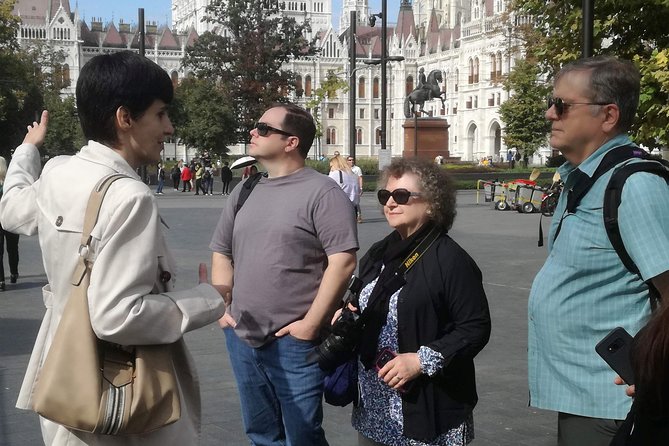
A walk through socialist Budapest makes you see the city differently. I like that you get a private historian guide who can connect the street-level sights to real events, and I like the mix of 1956 revolution locations with later Cold War and everyday-life clues. One thing to consider, this tour is heavier than a standard sightseeing stroll, with buildings tied to repression and propaganda.
You’ll move by metro or tram when needed, then on foot between key sites. Expect a three-hour loop that starts near Frankel Leó út 2-4 and finishes outside the House of Terror Museum on Andrássy út 60, with the option of morning or afternoon departures and pickup from a central hotel or flat.
Key things you’ll notice on this communist Budapest tour
- Historian-led private format with small-group size that keeps questions and detours easy
- 1956 revolution to late Cold War, not just one decade of monuments
- People’s Stadium and socialist realist propaganda, where politics shows up as sculpture
- Street-level stories, including May Day parade streets and everyday housing from the 1970s
- Secret service history outside the House of Terror, with the option to go in on your own
- Transit support included, since tram and metro tickets are handled with your guide’s help
Budapest on foot, with a few more routes to compare
- Big Bus Budapest Hop-On Hop-Off Bus and Walking Tour★ 3.5 · 2,206 reviews
- Budapest: Buda Castle District Walking Tour★ 4.6 · 2,108 reviews
- Budapest City Landmarks Walking Tour in 2 Hours★ 5.0 · 2,048 reviews
- 3-Hour Orientation Walking Tour of Buda and Pest★ 4.8 · 1,834 reviews
A small-group, historian-led walk through streets with political memory
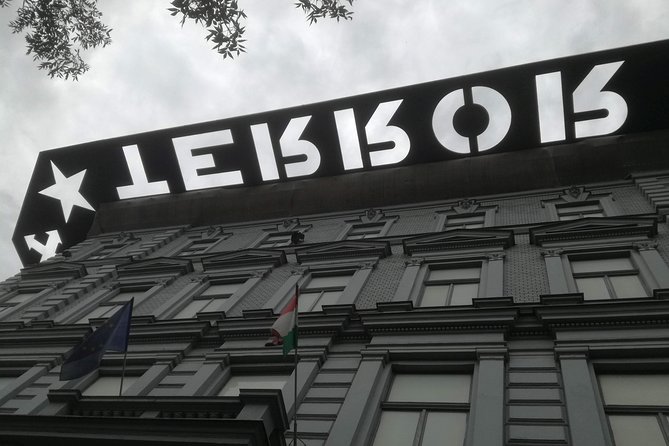
This is built for people who want more than photos. You get a private historian guide for about three hours, and the tour leans into how the Communist system shaped public space, jobs, housing, and public rituals from 1949 to 1989.
The small group matters. With a maximum of 8 travelers, you’re not stuck in a loud pack where you cannot ask why a statue is here or what was happening in that square. I especially like that guides are local historians and storytellers, and that the tone is explanatory rather than lecturing.
Because the theme is communism and the Cold War, you should expect an atmosphere that can feel tense. If you want a light, carefree highlight tour, you might feel the weight of what you’re looking at.
Parliament to Liberty Square: Kossuth Square, the 1956 revolution, and US-Soviet showdown
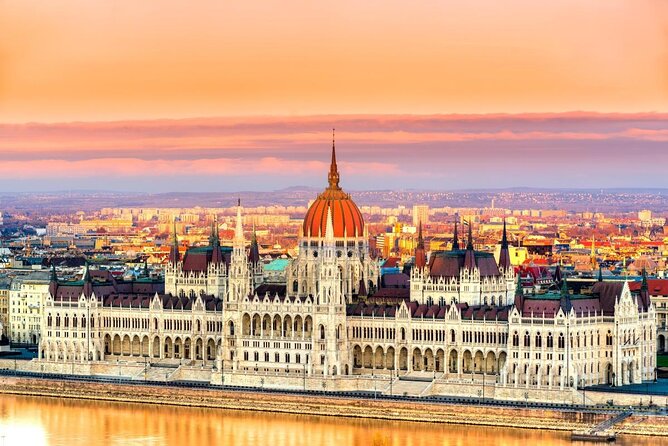
Your tour begins at the Hungarian Parliament Building area, traveling by subway to Kossuth Square. From there, you focus on monuments tied to the 1956 Hungarian Revolution, before you head onward toward Liberty Square. This is a smart start because it anchors the story in visible symbols, then connects them to the bigger Cold War game.
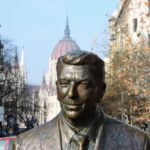
At Liberty Square, the tour shifts gears to the international face of the era. You’ll talk through Cold War dynamics linked to key sites around the square, including the US Embassy area and a memorial to the Soviet Army. The guide also points you toward the Ronald Reagan statue in the broader Cold War context, plus an atomic shelter reference tied to Cold War fears.
A practical note: you do not need to be a Cold War nerd to get value here. The key is that your guide can translate the symbolism of these spots into plain language, so you can walk away with a clear timeline instead of a list of names.
The House of Terror ending point: why the building works even without going inside
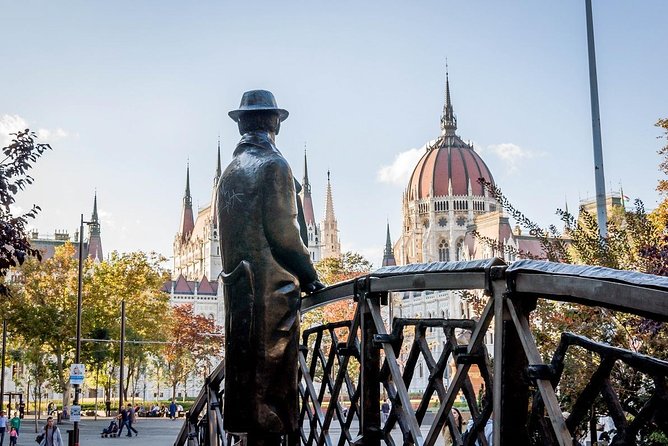
The plan is not to spend your whole time inside the museum. You’ll finish by stopping outside the House of Terror Museum, housed in the former headquarters of Hungary’s communist secret services. Even from the street, the setting tells a story, including the slab of the Berlin Wall placed in front.
The exhibit itself is not included. That’s actually useful, because it gives you a choice. If you want more detail after the walk, you can go in with fresh context. If you prefer to keep your day moving, you still get the crucial visual context tied to the building’s role in the period.
If this is your first time in Budapest’s political-era sites, this endpoint is a strong payoff. After you’ve seen propaganda symbols, revolution squares, and ideological monuments, you’ll understand why this building is treated as such a landmark of the era.
People’s Stadium, socialist realist statues, and propaganda you can’t ignore
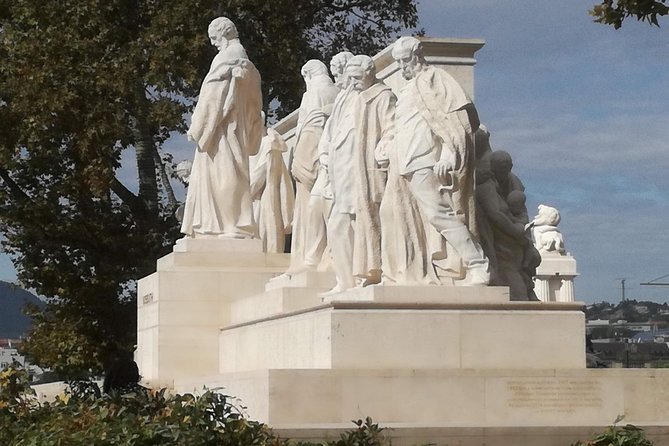
One of the more memorable stops is at the former People’s Stadium, now Puskas Soccer Stadium. The tour specifically calls out socialist realist statues that are still standing. This is where you get to see how the regime liked to mix power and performance, sports and state messaging.
It’s also a good counterpoint to the revolution sites. In 1956 you’re dealing with uprising and rupture. Here, you’re seeing how the system tried to look stable and permanent through art and architecture, including the heavy-handed style the regime favored.
Tip for your photo brain: keep your eyes on details like faces, posture, and placement. In this context, “who is watching whom” becomes part of the story, not just a design feature.
More of Budapest behind the Iron Curtain
- Budapest: Communist History Tour with House of Terror Option
★ 4.8 · 182 reviews - Communism in Hungary with a Historian
★ 5.0 · 70 reviews - Budapest: 3-Hour Walking Tour About Communism (Small Group)
★ 4.7 · 70 reviews - Budapest Hammer & Sickle Communist Times Tour
★ 4.5 · 68 reviews - Lives of Hungarians Under Communist and Capitalist system
★ 5.0 · 59 reviews
Ronald Reagan statue: how Hungary framed the end-game of the Iron Curtain
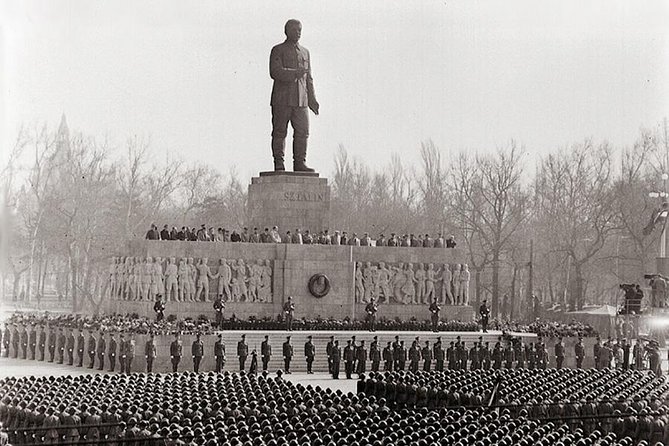
The tour includes a dedicated moment at the Ronald Reagan statue. The guide explains the Hungarian sense of obligation to Reagan for his efforts associated with bringing down the Iron Curtain.
I like including this stop because it prevents the tour from being only about Soviet control from one direction. You get a clearer picture of how different countries and leaders were interpreted in Hungary’s political imagination in the late Cold War.
It’s quick, about ten minutes, but it helps you connect the dots between the superpower story and what people in Hungary believed or hoped about where the political pressure was heading.
Bem József Square and the 1956 starting moment, plus a 1960s coffee interior
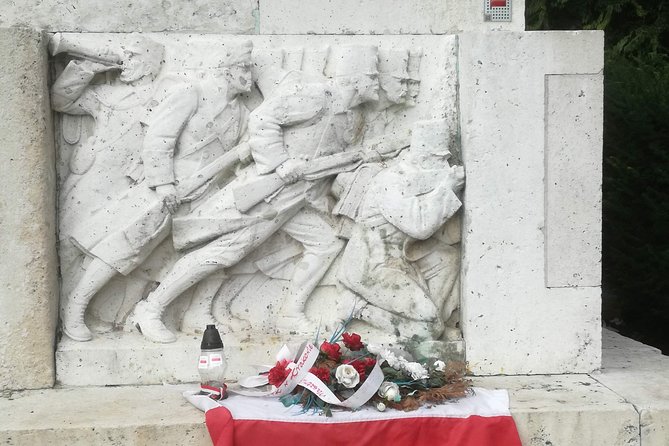
The walk reaches Bem József Square, a key location for the 1956 uprising. This is where the tour focuses on the idea of the first big demonstration of the revolution, so it’s not just a pretty plaza stop. It’s a turning point in the story.
There’s also a calmer side to the square: a coffeehouse that kept its original interior from the 1960s. That small detail is valuable because it shows how daily life continued, even while the political system tried to shape public routines.
If you want to make your own moment here, plan to slow down. Sit for a coffee if time allows, and look around with your new context in mind. You’ll notice how squares and gathering places become stages for both politics and ordinary social life.
The in-between details: May Day parade streets, everyday privation, and 1970s housing
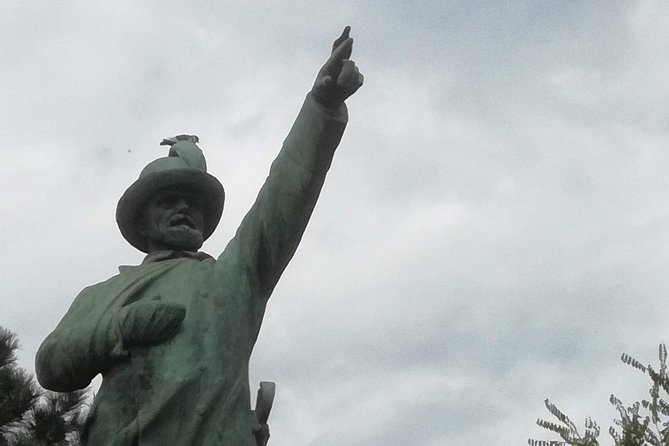
The itinerary stops are structured, but the tour’s theme expands beyond them. You’ll pass or discuss streets used for May Day parades and you’ll see additional socialist-era statues and public spaces connected to the regime.
You also get the “human scale” parts of the story. The tour is designed to teach you about privations of life under Hungary’s goulash communism. That phrase matters because it hints at the contradiction of the period: political control and shortages, mixed with a more workable daily rhythm than what some people imagine when they think of communism.
Finally, the tour includes a 1970s housing estate stop as part of the broader experience. That’s an excellent choice for understanding how ideology shapes housing and daily routines. Even if you focus on the buildings rather than the politics, you’re still learning what life felt like on the ground.
Transport, tickets, and how to keep the pace comfortable
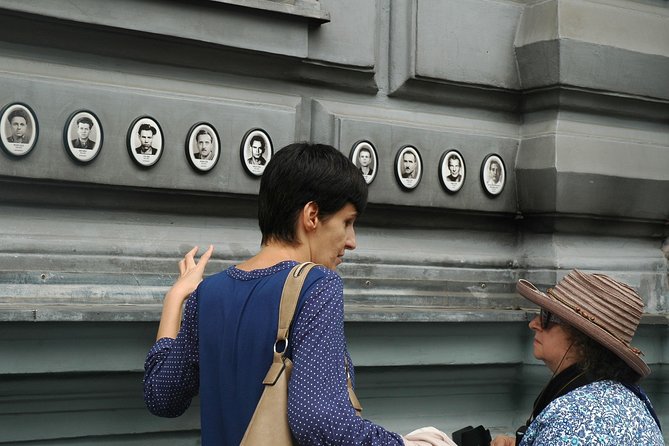
You’ll be moving through Budapest using public transit. Tram and metro tickets are not included, but your guide will help you purchase what you need if you do not already have a transport pass. Your experience also uses a mobile ticket, so you’re not scrambling for a paper voucher.
Pickup is offered from your central hotel or flat. Your guide meets you and leads your group by metro, tram, or foot when sites are close. If you prefer not to do pickup, you should meet your guide 15 minutes before start time at the default meeting point near Frankel Leó út 2-4.
The tour duration is about three hours. That’s long enough to absorb the story and still short enough that you can add a museum visit afterward if you want it.
Price and value: what $393.17 buys for three hours
The price is $393.17 per group, up to ten, and it runs as a small group. The exact headcount limit can vary depending on how the booking fills, but the tour is clearly designed to stay small, with a stated maximum size of 8 travelers.
So what does that mean in practice? If you can fill most of the group capacity, your per-person cost drops a lot. If you end up with fewer people, the price per person rises, but you still get the benefit of a private historian guide and a route built around specific communist-era sites.
Is it “cheap”? No, private guided tours rarely are. But if your goal is to understand Budapest’s political layers through accurate context, this is one of those formats where you pay for attention and interpretation, not just walking time.
If you already plan to visit the House of Terror Museum anyway, this tour gives you a reason to connect the surrounding streets to the institution. That can make your later museum time feel more coherent.
Who this tour is best for, and who should think twice
This communist Budapest private walking tour is a great fit if you:
- Enjoy political history tied to real places
- Want a guide who can explain symbols, propaganda, and timeline shifts clearly
- Prefer a small group where you can ask questions
It’s a tougher fit if you:
- Want an upbeat, casual sightseeing day with minimal heavy themes
- Struggle with moving by transit plus walking in a condensed three-hour window
The guide style seems to matter a lot here. In past experiences, guides such as Andras have been described as extremely knowledgeable and kind, with the flexibility to adjust the tour to your interests. Another guide, Kata, has been praised for explaining clearly with a broad world view and a sense of humor. Those traits matter because this topic can feel abstract unless your guide can make it click.
Should you book this communist Budapest walking tour?
Book it if you want Budapest to make sense beyond the postcard version. This tour is built around specific places tied to 1956, Cold War showdowns, and communist-era public life, with a strong emphasis on context. The route ends right where you’ll likely want to look harder, outside the House of Terror Museum, and you can choose what happens next.
Skip or consider alternatives if you prefer lighter themes or you hate history when it gets too direct. The sights here are real political anchors, so the tone follows the subject.
If you’re traveling with a group of friends and can get enough people to keep the “per-person” cost reasonable, this is also a smart value move. For the price of a guided “experience,” you’re getting a historian’s interpretation across three decades of place-based evidence.
FAQ
How long is the Communist Budapest private walking tour?
It runs for about 3 hours.
What language is the tour offered in?
The tour is offered in English.
What does the price include?
It includes a 3-hour guided walk with a private historian guide.
Is pickup from my hotel or flat included?
Pickup is offered. Your guide meets you at your central hotel or flat and leads your group.
Where does the tour start and end?
The tour starts at Frankel Leó út 2-4, 1027 Hungary, and it ends outside the House of Terror Museum at Andrássy út 60, 1062 Hungary.
Is the House of Terror Museum exhibit included?
No. The tour ends outside the museum, and the exhibit inside is not included.
Are tram and metro tickets included?
No. Tram and metro tickets are not included, but your guide will help you buy them if you do not have a pass.
Is there a mobile ticket?
Yes, a mobile ticket is provided.
How many people are in the group?
It is listed as a maximum of 8 travelers, keeping it a small-group experience.
Is free cancellation available?
Yes, you can cancel for a full refund up to 24 hours in advance.
More Communist-Era Budapest


Keep Walking Budapest

More Tour Reviews in Budapest




Recently added around Budapest
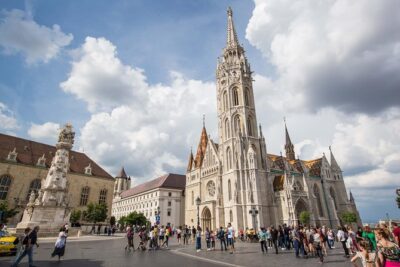


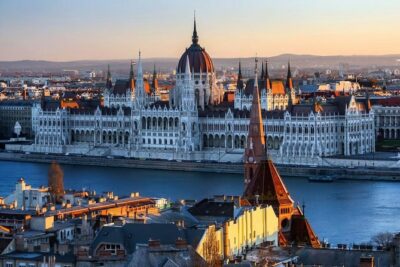
Budapest Walking Tours, compared.
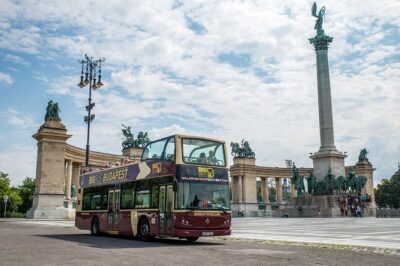 ★ 3.5Big Bus Budapest Hop-On Hop-Off Bus and Walking TourFrom $422,206 reviews
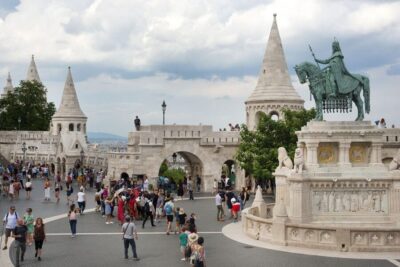 ★ 4.6Buda Castle District Walking TourFrom $142,108 reviews
 ★ 5.0Budapest City Landmarks Walking Tour in 2 HoursFrom $32,048 reviews
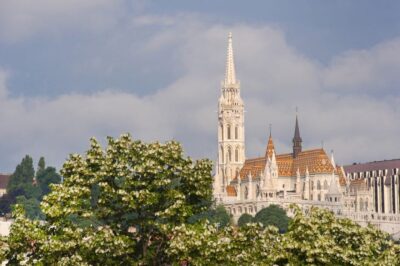 ★ 4.83-Hour Orientation Walking Tour of Buda and PestFrom $411,834 reviews
 ★ 5.0Budapest Historical Sightseeing – Free Walking TourFrom $31,302 reviews
 ★ 5.0Budapest All in One Small Group Walking Tour with Strudel StopFrom $1001,277 reviews
 ★ 4.9Buda Castle District Walking Tour with a HistorianFrom $63867 reviews
 ★ 4.9BloodThirsty Hungary: Walking tour & Dark Historical StoriesFrom $21633 reviews
Browse the lists this tour appears in