
Tour review · BUDAPEST COMMUNIST HISTORY TOURS
Budapest: Communist History Tour with House of Terror Option
Communist Budapest hits hard, then sticks. In just 2 hours, you’ll walk from the Hungarian Parliament through key landmarks of the Soviet era, and then choose between a lighter Budapest Retro Experience Center add-on or the emotionally intense House of Terror Museum.
I especially like the way the guide turns big labels like Soviet occupation and the 1956 uprising into real places you can point at: the Liberty Square monuments, the exile windows, and even details tied to Cold War infrastructure. I also like the built-in contrast of options, where you can pivot from playful nostalgia at the Retro Center to the stark reality inside House of Terror.
The main drawback is that this is not a light history lesson. If you’re sensitive to themes like interrogation, torture, deportations, and political repression, plan your energy for the House of Terror option.
Key highlights worth planning around
- Parliament to Liberty Square route that ties landmarks to the Communist period in Hungary
- Soviet Liberation Memorial in its original place, plus the story behind the red dictatorship memorials
- Cold War bunker ventilation channels you can actually look for during the walk
- Budapest Retro Center (1960s to 1980s) with street scenes, vehicles, homes, and even Soviet-Hungarian space-flight artifacts
- House of Terror choices, including self-guided museum time or a guided circuit through cells and political trial themes
- Small-group format (max 10) with an English live guide and skipped ticket lines
More of Budapest behind the Iron Curtain
- Budapest: Communist History Tour with House of Terror Option★ 4.8 · 182 reviews
- Communism in Hungary with a Historian★ 5.0 · 70 reviews
- Budapest: 3-Hour Walking Tour About Communism (Small Group)★ 4.7 · 70 reviews
- Lives of Hungarians Under Communist and Capitalist system★ 5.0 · 59 reviews
Why This Communist History Tour Feels Like Budapest, Not a Lecture
Budapest can look postcard-ready, but under the surface it has layers of power, fear, and adaptation. This tour leans into the Communist years of Hungary, framed by what you see on the streets, then reinforced by museum time.
What I like most is that the experience is built for two types of curiosity. If you want context and human-scale details, you get it on the walk. If you want artifacts, rooms, and staged history, you get it at your museum choice, either the Retro Center or the House of Terror.
The price, $58 per person, makes sense when you pencil in that you’re paying for a live English guide, a small group, and museum entry as part of the package. For a city like Budapest, that’s often better value than booking the walking guide and museum separately and then trying to time your own ticket lines.
The 2-Hour Walking Route: Parliament, Liberty Square, and the Soviet Era in Plain Sight
Both the morning and afternoon walking tours start the same way, so you can pick based on what you want next. Expect a guided walk across central Budapest with stops that connect directly to the Communist era under Soviet military occupation.
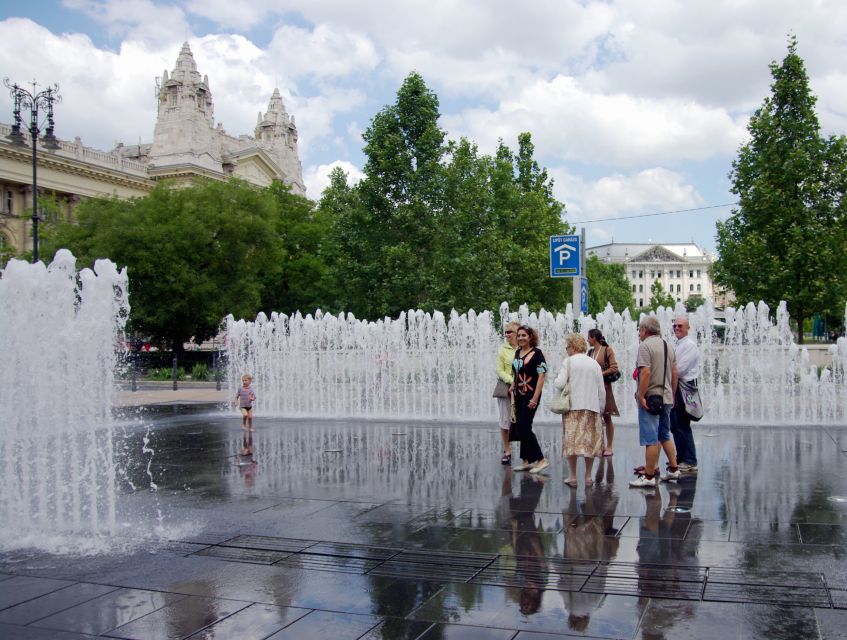
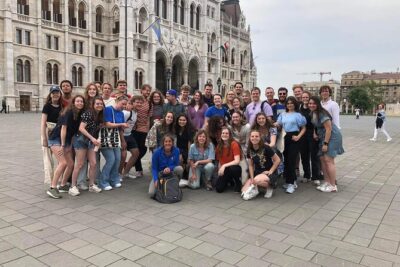
The walk begins at the Hungarian Parliament, which sounds like a sightseeing starting point, and it is. But here it becomes a staging ground for memory: you’ll see major monuments tied to the Communist period, including the memorial commemorating victims of the red dictatorship.
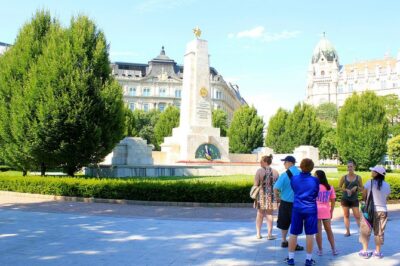
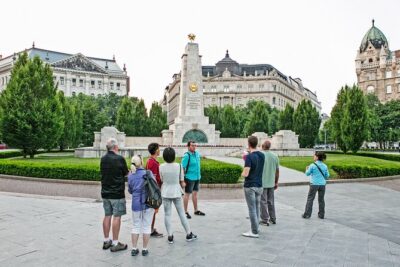
From there you move toward Liberty Square, where the Soviet Liberation Memorial marks the landscape of occupation. The tour highlights it as the last Communist monument in the city still in its original place. That single detail changes how you look at the square, because you start noticing what survived, what was moved, and what the city chose to keep visible.
Next up are the so-called famous windows of Budapest, linked to Cardinal Mindszenty. The point isn’t just the name. It’s that these windows represent exile and faith under pressure, a reminder that political control affected ordinary life and moral leadership in the same era.
Cold War Infrastructure You Can Spot: Bunker Ventilation and the 1956 Revolution Trail
One of the more unusual parts of the walk is the Cold War thread. You’ll be guided to look for ventilation channels of a secret underground nuclear bunker built during the Cold War years. Even if you don’t consider yourself a military history person, the fact that you’re inspecting physical traces in the city makes the concept feel real.
Then comes the anchor event: the Hungarian anti-Soviet revolution of 1956. The tour points out where the story played out around you, so 1956 stops being a date you remember from a textbook. It becomes a lived turning point tied to choices, consequences, and the human cost of resisting outside control.
I like that the guide doesn’t treat 1956 like a one-off dramatic moment. It’s positioned as part of the larger rhythm of repression, retaliation, and partial openings that shaped Hungary through the Communist decades.
Morning Choice: Budapest Retro Experience Center, 1960s to 1980s Style
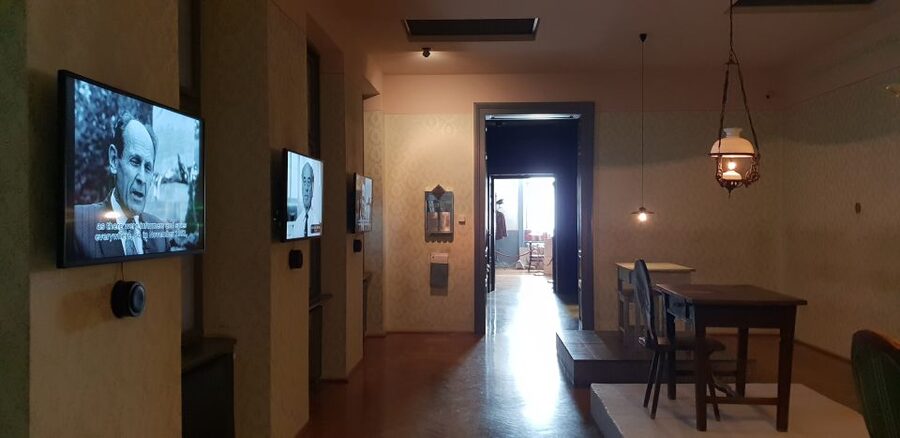
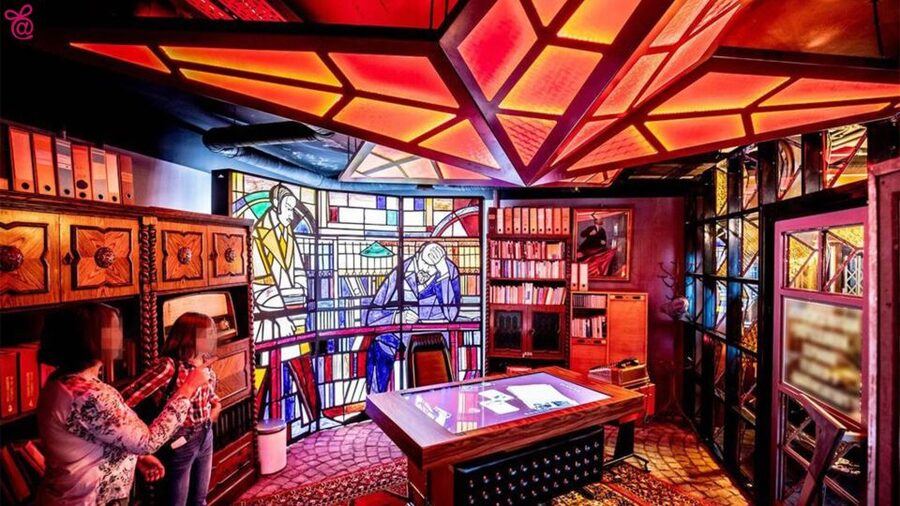
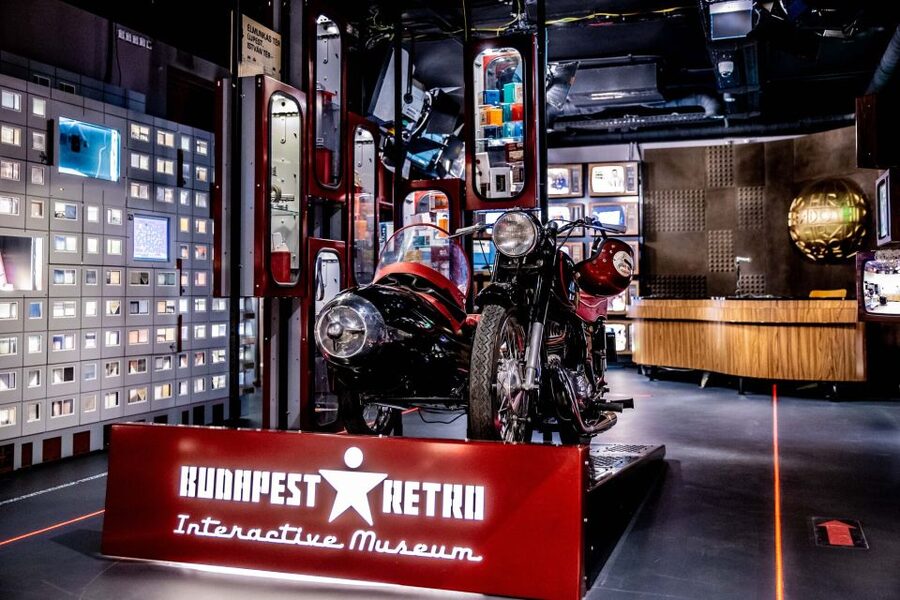
If you choose the morning option, after the walk you’ll get a guided visit to Budapest Retro Experience Center. This is the softer side of the same era, designed to show what daily life looked like when Communist influence shaped media, consumer objects, and domestic space.
Inside, you’ll see street views and typical vehicles from the 1960s to 1980s. You’ll also encounter recreated interiors that aim to represent how homes felt and functioned at the time. It’s not just “cool vintage stuff,” it’s a way to understand the visual language of the regime era, including what people were shown and what they had access to.
One standout described in the experience is the inclusion of astronauts from the Soviet-Hungarian space flight. It’s a reminder that the state didn’t only govern politics, it also shaped hopes, pride, and public storytelling through big-science symbolism.
The Retro Center is set across three floors, and the layout is built to feel interactive. You can dress as a Communist comrade, and you can also try being a TV news presenter of the time. That playfulness is the point, but it also lets you step back and ask the uncomfortable question: how do governments use entertainment and imagery to normalize power?
A practical tip: this add-on is fun, but it still fits into the Communist history frame. If you want a balanced day, this morning choice is a good way to learn first through place, then through objects, and only later decide whether you’re ready for the heavier rooms of House of Terror.
More Budapest ideas for the space still left in the itinerary
- Budapest: Historic Cruise with Welcome Drink
★ 4.7 · 6,512 reviews - Budapest Historical Sightseeing – Free Walking Tour
★ 5.0 · 1,302 reviews - Buda Castle District Dark History, Legends and Vampire Night Tour
★ 4.5 · 1,240 reviews - BloodThirsty Hungary: Walking tour & Dark Historical Stories
★ 4.9 · 633 reviews - Budapest Jewish Heritage Memorial Walking Tour & Synagogue Entry
★ 5.0 · 568 reviews
Afternoon Choice: House of Terror Museum and AVO State Protection Police Secrets
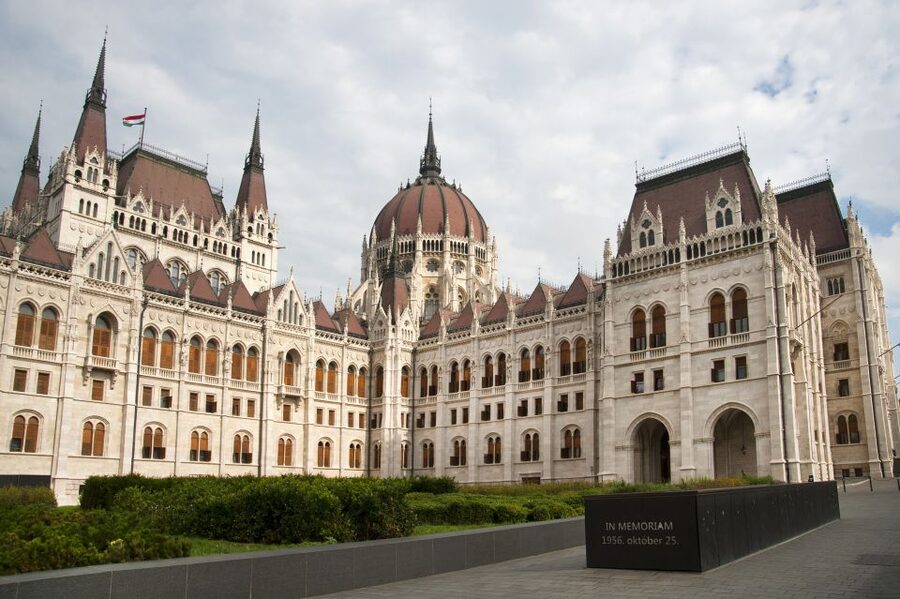
For the afternoon option, you get something weightier. You’ll receive a ticket to the House of Terror Museum, either to explore on your own or to join a guided museum experience.
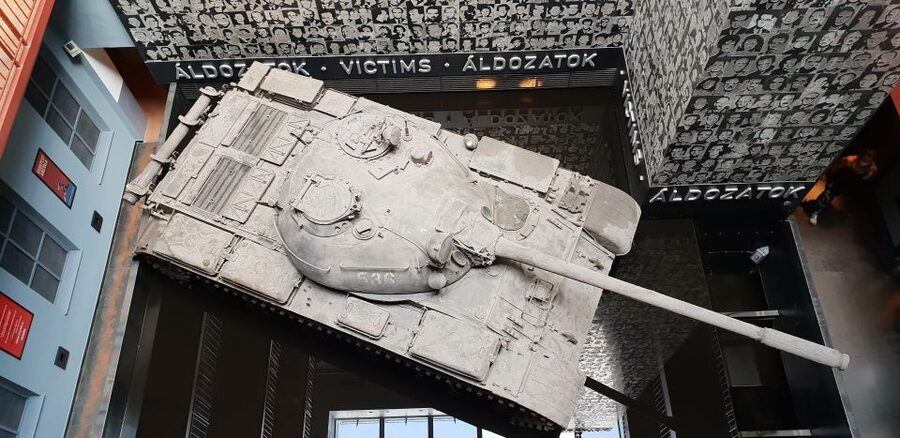
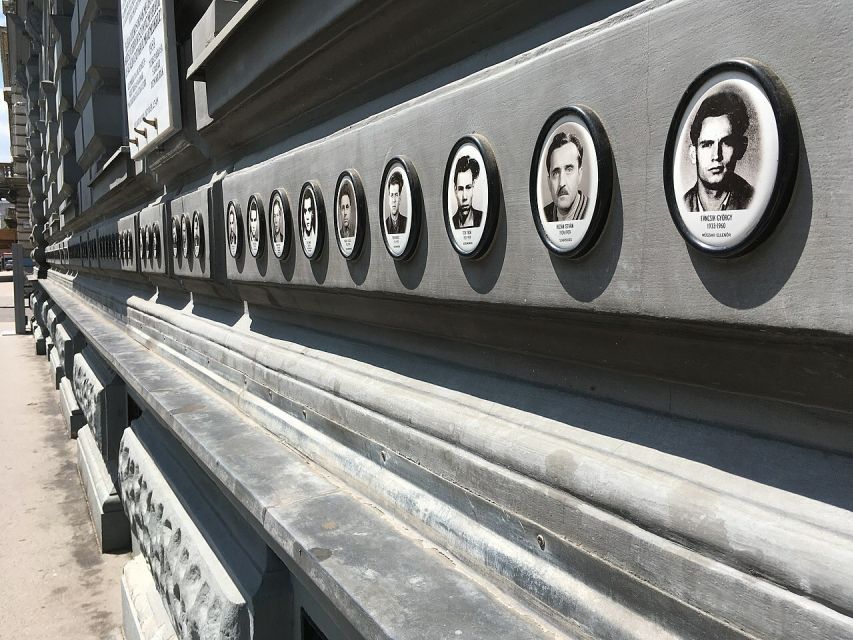
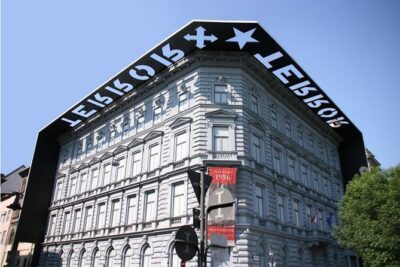
The museum focuses on the former seat of the AVO State Protection Police, described as the local version of the Soviet KGB. That framing matters. It’s not presented as an abstract ideology. It’s tied to institutions, detention systems, and the machinery of control.
You’ll see how Hungary’s story is presented from World War II through Nazi rule and then Soviet Communist occupation. The museum then lands heavily in the 1950s, with areas dedicated to interrogation and torture cells, as well as the office room of the director of the terror apparatus.
The experience also covers mass deportations, labor camps, and political trials. And it doesn’t stop with the darkest rooms. It connects those years to the brave 1956 revolution and its consequences, then carries the story toward the end of Communism in 1989.
If you’re choosing between Retro Center and House of Terror, here’s the clean way to decide. Pick Retro Center if you want to understand how propaganda and everyday life looked and felt. Pick House of Terror if you want to understand how fear worked, how people were targeted, and what it meant to resist.
Either way, you’re getting more than a museum visit. You’re getting a narrative that links ideology to rooms and systems.
What Makes the Guided Part Matter (Especially in a City Full of Markers)
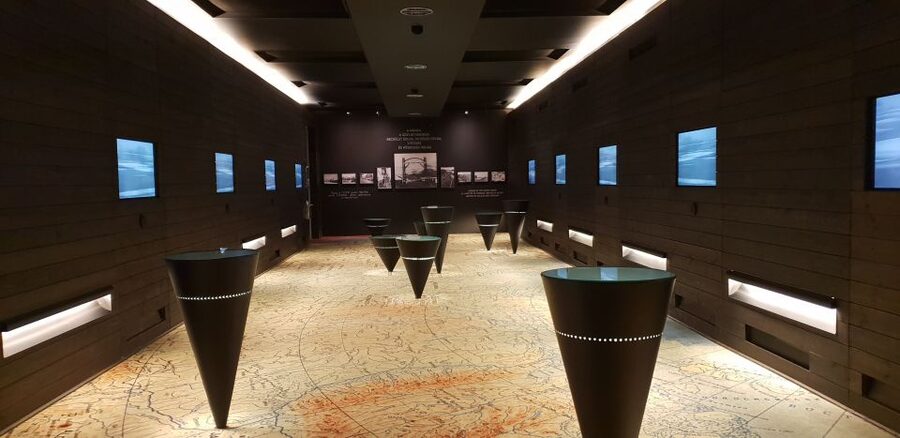
A Budapest walking tour can be “pretty and informative,” or it can help you make sense of what you’re seeing. This one aims for the second type by packing your route with explainers, from why certain monuments sit where they do to what Cold War infrastructure implies about how the city prepared for the worst.
In the accounts of past guides, what comes through again and again is a teaching style that keeps the pace steady and the questions welcome. Names like Alexandra, Flora, Kati, and Beata show up as examples of guides who manage the group well and explain clearly, with enough time to take photos and actually absorb what’s in front of you.
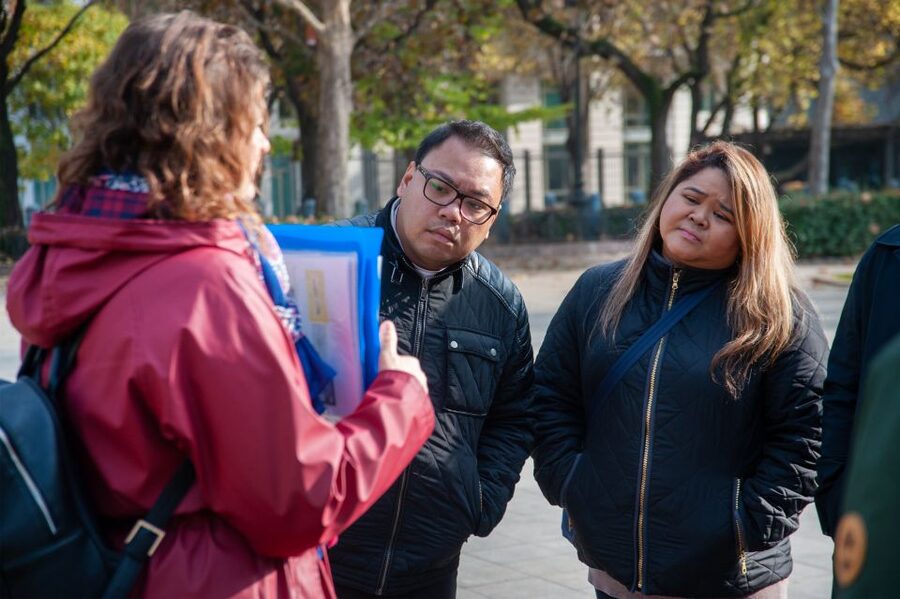
The small-group size also matters. With a limit of 10 participants, the guide can tailor the emphasis. If you’re the kind of person who asks “why did they do that,” you’ll usually get an answer that connects the streets to the museum.
One more detail I appreciate: the tour guide is an autonomous professional, not an employee of the museum. That often means they focus on telling the story and giving you context, rather than selling the museum exhibit. It changes how you experience the ticketed portion. You’re not just walking into a building, you’re walking into a guided argument about history.
Practical Stuff You Should Know Before You Go
This tour runs with an English live guide, and it includes an entry ticket to the museum depending on which option you choose. It also includes skip-the-ticket-line access, which saves energy so you can spend your time on the good part, the explanation and the exhibits.
Your meeting point can vary, so you’ll want to check the details for the specific option you booked. Also, you won’t pick up your ticket at the ticket office. You’ll receive it from your tour guide. That small rule matters because it keeps you from wasting time looking for something that isn’t there.
What should you wear? Plan for walking in central Budapest for the guided portion. For the House of Terror option, plan for a museum visit that can feel emotionally heavy. If you’re pairing this with other sightseeing the same day, give yourself a little buffer after the museum time, especially if you choose the guided museum circuit.
Photos are part of the experience, but don’t rush them. Some of the power of this tour is looking slowly at how the city preserves or hides Communist-era traces.
Price and Value: Is It Worth $58?
At $58 per person for a 2-hour experience, the value depends on what you expect from a guided tour.
If you only want a quick orientation, you might feel it’s more than you need. But if you want a structured route plus museum entry, it stacks up well. You’re paying for:
- a professional guide
- a curated route through major sites connected to the Communist period
- museum admission included with your chosen add-on
- small-group pacing that makes it easier to ask questions
I also like that the experience offers a meaningful split. You can go lighter with Retro Center or go heavier with House of Terror. Either way, the guided street portion is the same starting point. That makes your decision feel focused rather than random.
For couples and friends, the small group also helps you avoid the “everyone shuffles, nobody talks” feeling that happens on larger tours. And if you have personal family connections to Hungarian history, the guide’s storytelling style can make the experience land differently.
Who Should Book This Tour, and Who Might Want to Choose Another Option
I think this tour is a great fit if you’re one of these:
- a Cold War history fan
- someone who wants a clear timeline connecting WWII, Nazi rule, Soviet occupation, and the Communist period
- a traveler who likes learning from a local guide who connects street details to big events
- anyone with Hungarian roots or curiosity about how 1956 and Communist repression shaped later generations
It may be less ideal if you want only upbeat “best of Budapest” sightseeing with no heavy themes. The House of Terror option is not designed to be casual.
If you’re unsure, use this simple guide to choose:
- Choose Retro Center if you want the contrast of objects, media, and daily-life imagery from 1960s to 1980s, and you like playful interaction.
- Choose House of Terror if you want the rooms and themes of interrogation, torture cells, deportations, labor camps, and political trials, plus the story of 1956 and the end of Communism in 1989.
Should You Book This Communist History Tour?
Yes, if you want Budapest with context. This is the kind of tour that turns monuments and street corners into a story you can actually carry around in your head afterward.
Book it if you care about understanding how ideology shows up in buildings, institutions, and everyday life. The combination of the guided walk plus museum time gives you both the macro story and the micro details, from Soviet Liberation landmarks to Cold War bunker traces and, if you choose it, the stark rooms of House of Terror.
Skip it only if you know you want a purely light day or you have little tolerance for emotionally intense historical subject matter. If you do go, choose your museum option based on your mood, then let the guide’s pacing do its job: stop, look, and understand why the city remembers.
FAQ
What is the duration of this Budapest tour?
The tour is listed as 2 hours.
Is the tour offered in English?
Yes, the tour guide provides the experience in English.
How large is the group?
The group size is small, limited to 10 participants.
Is the Retro Center or House of Terror included?
Yes. Your ticket is included, depending on which option you book: Budapest Retro Experience Center for the Retro add-on, or House of Terror Museum for the House of Terror option.
Do the morning and afternoon walking tours follow the same route?
The description says the morning and afternoon walking tours are identical for their first part, since both begin as a Communism-themed walking tour across central Budapest.
Can I visit House of Terror on my own or with a guide?
You can choose the afternoon option that includes a ticket to House of Terror, and the description lists two paths: visiting the site on your own or selecting a guided tour inside the museum.
Where do I meet the guide?
The meeting point may vary depending on the option booked, so you’ll want to check the details for your specific booking.
Do I need to pick up a ticket at the museum?
No. You should not look for your ticket in the ticket office. The ticket is provided to you by your tour guide.
Is this tour run by the museums?
The tour is not provided by the museum. The guide is an autonomous professional, not an employee of the museum.
What should I expect if I choose the House of Terror option?
You’ll learn about Hungary from WWII through Nazi rule and Soviet Communist occupation, with emphasis on the 1950s, interrogation and torture cells, a director’s office room, and stories connected to mass deportations, labor camps, political trials, 1956, and the end of Communism in 1989.
More Tours in Budapest






More Communist-Era Budapest






More Tour Reviews in Budapest






Recently added around Budapest





Budapest Communist History Tours, compared.
 ★ 5.0Communism in Hungary with a HistorianFrom $5970 reviews
 ★ 4.73-Hour Walking Tour About Communism (Small Group)From $5770 reviews
 ★ 4.5Budapest Hammer & Sickle Communist Times TourFrom $7968 reviews
 ★ 5.0Lives of Hungarians Under Communist and Capitalist systemFrom $459 reviews
 ★ 4.5Private Budapest Hammer & Sickle Communist Times TourFrom $13347 reviews
 ★ 5.0Communist Budapest Walking TourFrom $12624 reviews
 ★ 4.9Memento Park and Icons of Communism Guided TourFrom $6323 reviews
 ★ 4.5Communist History Evening Walking Tour of BudapestFrom $3623 reviews
Browse the lists this tour appears in