
Tour review · BUDAPEST WALKING TOURS
Communist History Evening Walking Tour of Budapest
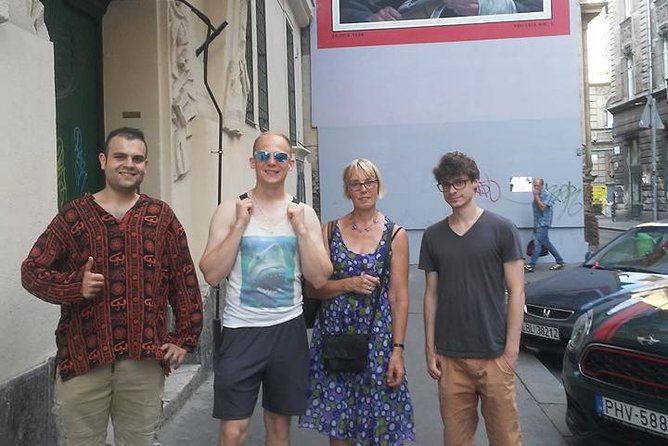
Communism hits hard on Budapest streets. I like Victoria’s university-level explanations and the way this on-foot route connects politics to what you still see. The drawback: the topic gets intense, and you still need to manage about 3 km of walking.
Running about 2 hours, the tour starts at 6:00 pm at Blaha Lujza tér and ends near the Hungarian Parliament on Kossuth Lajos tér. It is in English, with bottled water included, and capped at 15 people so questions do not get ignored.
Key points I’d plan around
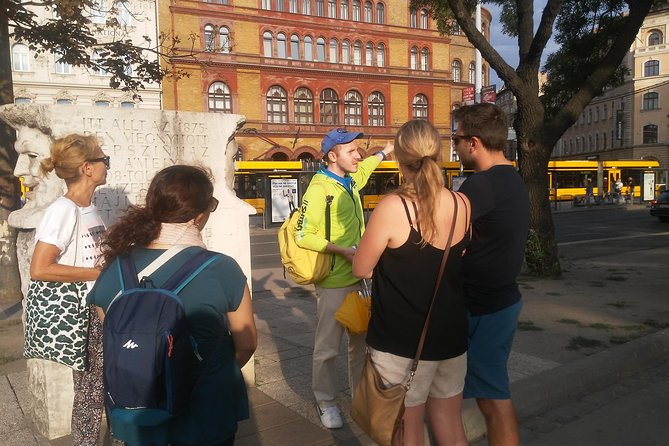
- Victoria’s professor-style storytelling: clear context and everyday-life perspective, not just dates and plaques
- 22 stops across districts VI, VII, VIII, and V: you see how policy shaped the city in multiple neighborhoods
- Four landmarks that anchor the theme: Andrassy Avenue, St Stephen’s Basilica, Liberty Square, Parliament area
- Small group format: max 15 travelers, which helps if you want to ask follow-up questions
- Comfort detail that matters: bottled water is included for the walk
Budapest on foot, with a few more routes to compare
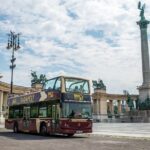
- Big Bus Budapest Hop-On Hop-Off Bus and Walking Tour★ 3.5 · 2,206 reviews
- Budapest: Buda Castle District Walking Tour★ 4.6 · 2,108 reviews
- Budapest City Landmarks Walking Tour in 2 Hours★ 5.0 · 2,048 reviews
- 3-Hour Orientation Walking Tour of Buda and Pest★ 4.8 · 1,834 reviews
Why This 2-Hour Communist Walk Works in Budapest
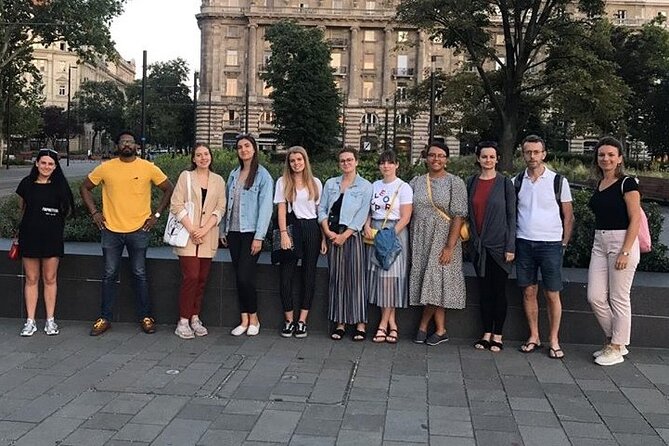
This is a short tour, but it does not feel like a rushed overview. You cover a dense stretch of central Budapest, and the guide keeps tying the history to visible changes in the city, so the walk becomes easier to understand than a pile of museum facts.
At $36.01, the value comes from the format. You get an English-speaking guide for about 2 hours, you walk to multiple big-name sites, and you also receive bottled water. Add in that the group is limited to 15, and it is a good choice if you want context without spending your whole day in indoor exhibits.
The pacing is also realistic for an evening tour. You are walking yourself, or wheeling yourself, for about 3 km, and the route ends in the Parliament Square area, where you can smoothly continue your night.
Meeting at Blaha Lujza tér and Reading Andrassy Avenue
The tour begins at Budapest, Blaha Lujza tér (1085), at 6:00 pm. That timing is useful because you are out of the midday heat and you are still likely to have enough daylight for landmark views on the walk.
Right away, you head down Andrassy Avenue, one of the city’s signature boulevards. The guide explains how the area changed over time, and which former monuments disappeared or shifted in meaning. Even before you reach the big religious and political stops, you start learning a key skill: looking at buildings and civic spaces as evidence of power.
You will also notice that this is not just a parade of pretty facades. The route passes through both polished squares and plainer street corners. That mix can feel odd if you only want postcard scenes, but it helps because the communist story is about control, not only architecture.
St. Stephen’s Basilica: Faith Under Communism, Plus a Football Story
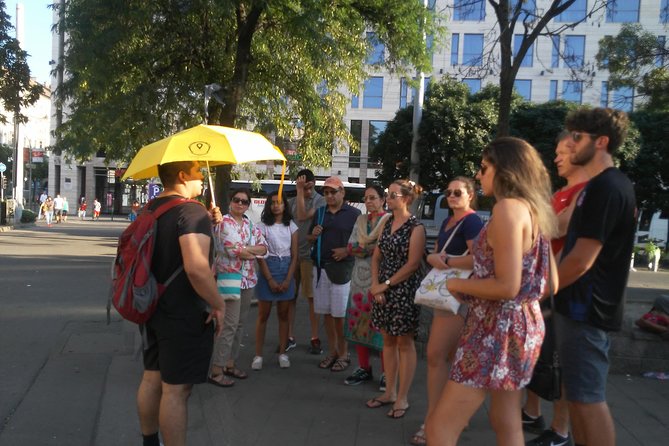
Your first major stop is St. Stephen’s Basilica (Szent Istvan Bazilika). Admission is listed as free for this visit, so you are not stuck paying extra just to stand at the main points the guide wants you to see.
Here’s why this stop matters for the theme: communism’s impact on Hungarian church and religion is part of the explanation. You do not just get told that religion was pressured. You learn how that pressure affected belief and public life, and why the church became a meaningful symbol long before the next political crisis arrived.
You also get a very specific story tied to a famous Hungarian football player who fled the communist system, and later became buried at the church. It is a reminder that political systems shape personal choices, not only laws. If you like history that connects to real lives, this is one of the moments you will likely remember after the tour ends.
Liberty Square and the Closing of the Stock Exchange
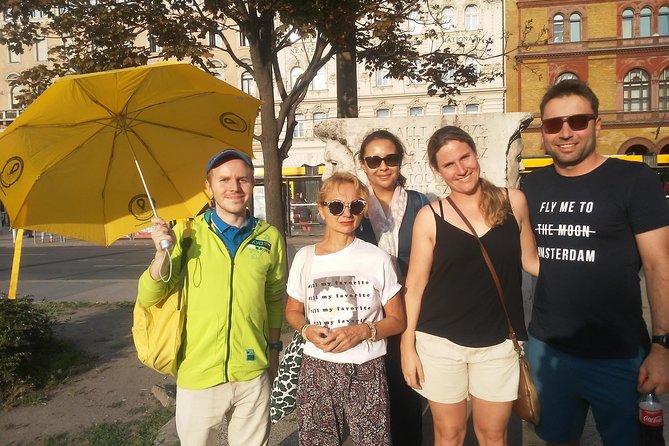
Liberty Square is one of the best stops for people who want the story to go beyond institutions. This is where the stock exchange was located, and it closed at the start of communism. The guide’s job here is to help you understand what that symbol means when a society’s economic engine gets shut down or reshaped.
Liberty Square is also presented as a site of bloody protests. The way the guide frames it helps you see why public squares become stages during conflict. Streets and monuments look calm today, but the guide nudges you to imagine the tensions that played out there.
One practical note: this area can be busy, and your guide will likely choose viewpoints that work for the group size and timing. If you are sensitive to crowds or want quiet photo moments, plan to move a bit during the explanations rather than trying to stay planted in one spot.
More of Budapest behind the Iron Curtain
- Budapest: Communist History Tour with House of Terror Option
★ 4.8 · 182 reviews - Communism in Hungary with a Historian
★ 5.0 · 70 reviews - Budapest: 3-Hour Walking Tour About Communism (Small Group)
★ 4.7 · 70 reviews - Budapest Hammer & Sickle Communist Times Tour
★ 4.5 · 68 reviews - Lives of Hungarians Under Communist and Capitalist system
★ 5.0 · 59 reviews
Parliament Building Area: 1956, Uprising, and the Cost of Resistance
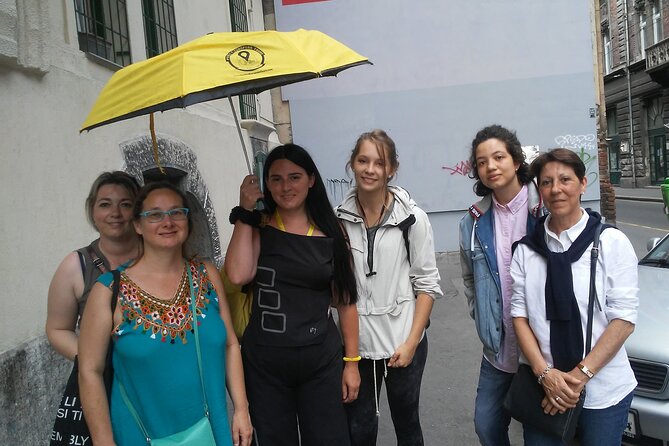
The tour’s big political climax centers on the Hungarian Parliament Building area. Admission is free for the relevant stop, and the key fact the guide focuses on is the 1956 uprising against the ruling communist party, including the bloodshed that took place.
This part of the walk is where the tour earns its seriousness. The buildings are impressive, but the guide keeps the focus on what happened when people pushed back. You are not just looking at government architecture, you are learning why this exact location became tied to sacrifice and resistance.
If you are the type who likes to understand cause and effect, this is also where you can connect earlier parts of the walk to what comes next. You have been learning how power shows itself in civic spaces. Now you see the human outcome when power is challenged.
What You Learn Beyond Buildings, Dates, and Plaques
The strongest value here is the guide’s ability to connect communist-era changes to present-day life in Hungary. The tour is not set up as a checklist of monuments. It is built as a narrative: how policy and control filtered into culture, institutions, and daily habits.
That is why the small-group format matters. With up to 15 travelers, you can ask questions without shouting over a crowd. The guide can also tailor answers in the moment, which keeps the tour from turning into one long lecture.
The writing around the walk also hints at a bigger lesson: you cannot really understand modern Budapest if you treat the communist period like a background detail. It is part of why the city looks and works the way it does now.
If you want to extend the theme after the walk, a logical add-on is the Museum of Terror. It is not the same experience, but it complements a street-level story with more detail about the darker side of the era.
Pace, Walking, and What to Wear for a 6:00 pm Start
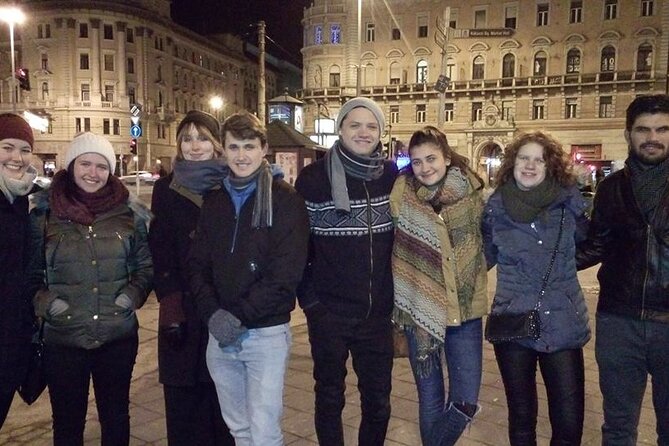
This is an evening walking tour with a total time of about 2 hours. The requirement is straightforward: you must be able to walk (or wheel) about 3 km on your own. If you have any mobility limits, make sure that distance is realistic for you before you book.
The tour includes bottled water, which is a small thing until you are actually out walking in Budapest. You do not need to hunt for a drink mid-route, and you can focus on listening instead of pacing your energy.
Because the tour depends on weather, you should expect it to be more enjoyable on mild evenings. If conditions are poor, the tour may be canceled and you will be offered another date or a full refund.
Also, since it is near public transportation, you are not locked into a complicated plan. You can likely hop in and out of the day easily, especially at the start and end points.
Ends at Kossuth Lajos tér, Near Metro and Tram
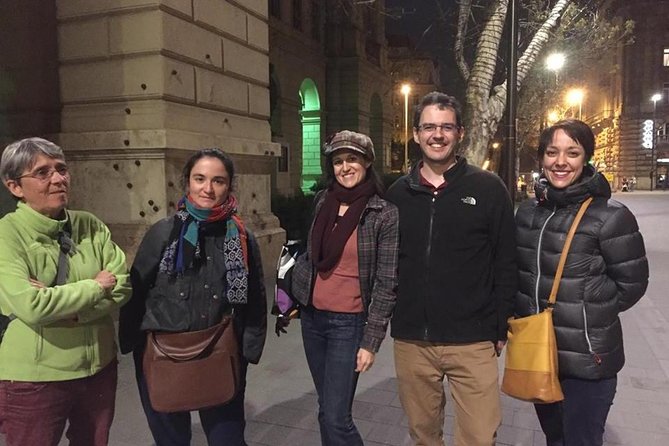
The tour ends at Budapest, Kossuth Lajos tér 1-3. That lands you close to Kossuth red line metro station or tram 2, which makes it easier to continue sightseeing without a long trek back.
This is more than convenience. It also helps you keep your momentum. After the walk, you are already in the heart of the Parliament Square area, where you can decide what you want next based on your interests.
And because the tour ends near major transit, you can also plan an earlier dinner or a flexible night out without worrying that you will get stuck in the wrong neighborhood.
Price and Value: Is $36.01 a Good Deal?
For $36.01, you are paying for three things: time with an English-speaking guide, walking access to major theme locations, and included bottled water. You are also not facing extra costs for the specific stops called out as free admissions.
What you get is not a quiet, sightseeing-only walk. It is a political story told through city corners. If you enjoy history that explains why things are the way they are, this format tends to feel worth it quickly.
If you only want pretty views and do not want to deal with political violence and oppression themes, you might feel the tour is heavier than you expected. But if you show up curious, this is a solid way to understand Budapest without spending hours in separate buildings.
Who Should Book This Tour, and Who Might Skip It
This tour fits you best if you:
- want an English explanation that connects communist history to modern Hungarian life
- prefer walking tours where the guide points out what to notice as you go
- like stories that include specific human details, not just broad themes
- enjoy small groups that let you ask questions
It may be less suitable if you:
- dislike politically intense subject matter
- struggle with walking about 3 km
- need an ultra-quiet experience where you can always stand in one place
It also helps to know that some parts of the route are not the most scenic streets, even though they are historically relevant. That tradeoff is part of what makes this tour feel real.
Should You Book It? My Honest Take
Book this tour if you want to understand Budapest as a living result of political choices, not just as a set of sights. I like that it is short, focused, and guided in a way that connects places to the consequences people lived with.
If you are building a Hungary itinerary and you already plan to visit major attractions, this one fills a different kind of gap. It gives you a framework you can carry into the rest of your trip, especially if you plan to visit additional sites tied to the same era.
If you are sensitive to heavy topics or you are not up for a moderate walk, you might want a different style of tour. But for the right match of interests, this is one of the more memorable ways to learn how communist rule shaped Hungary, one stop at a time.
FAQ
How much does the Communist History Evening Walking Tour cost?
The price is $36.01 per person.
How long is the tour?
The duration is about 2 hours.
What time does the tour start, and where does it begin?
It starts at 6:00 pm. The meeting point is Budapest, Blaha Lujza tér (1085 Hungary).
Where does the tour end?
The tour ends at Budapest, Kossuth Lajos tér 1-3 (1055 Hungary), close to Kossuth red line metro station or tram 2.
Is the tour offered in English, and do I get a mobile ticket?
Yes, it is offered in English. You also get a mobile ticket.
How big is the group?
The tour has a maximum of 15 travelers.
Is there an entry fee for the stops?
The listed stops include St. Stephen’s Basilica, Liberty Square, and the Hungarian Parliament Building area with admission ticket free.
What is included, and how much walking do I need to do?
Bottled water is included. You must be able to walk (or wheel) yourself for about 3 km.
What if the weather is bad or I need to cancel?
The tour requires good weather. If it is canceled due to poor weather, you will be offered a different date or a full refund. Cancellation is free up to 24 hours in advance for a full refund.
More Communist-Era Budapest


Keep Walking Budapest
More Tour Reviews in Budapest




Recently added around Budapest


Budapest Walking Tours, compared.
 ★ 3.5Big Bus Budapest Hop-On Hop-Off Bus and Walking TourFrom $422,206 reviews
 ★ 4.6Buda Castle District Walking TourFrom $142,108 reviews
 ★ 5.0Budapest City Landmarks Walking Tour in 2 HoursFrom $32,048 reviews
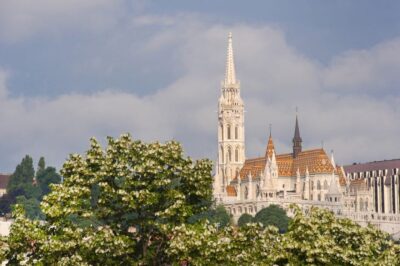 ★ 4.83-Hour Orientation Walking Tour of Buda and PestFrom $411,834 reviews
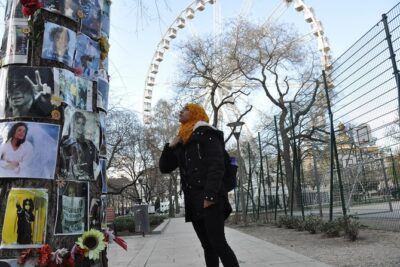 ★ 5.0Budapest Historical Sightseeing – Free Walking TourFrom $31,302 reviews
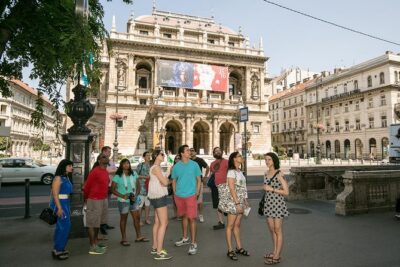 ★ 5.0Budapest All in One Small Group Walking Tour with Strudel StopFrom $1001,277 reviews
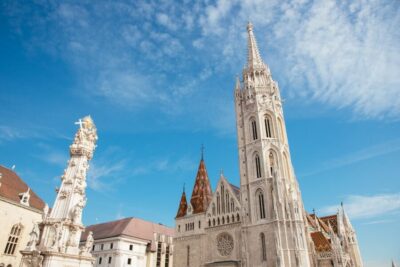 ★ 4.9Buda Castle District Walking Tour with a HistorianFrom $63867 reviews
 ★ 4.9BloodThirsty Hungary: Walking tour & Dark Historical StoriesFrom $21633 reviews
Browse the lists this tour appears in