
Tour review · BUDAPEST COMMUNIST HISTORY TOURS
Budapest Half-Day Tour: Life Behind the Iron Curtain
Budapest has a lot of sunny stuff, but it also has memory. This half-day, private tour focuses on what life looked like behind the Iron Curtain, using major memorial sites plus one lighter, kid-powered finale. I love the way it connects viewpoints (like Gellert Hill) to the stories they were built to send, and I love the balance between education and movement, with van time plus walking.
The main thing to consider is tone. This tour centers on the Communist era through monuments and the Terror House, so it can feel heavy, even though the last stop is more uplifting. Also, tickets for sites and the ride may require extra payment since entry fees are not included.
Quick hits before you go
- Liberty Statue on Gellert Hill: A huge monument with a pedestal plus statue height that makes it one of the tallest of its kind in Europe.
- Citadella siege viewpoint: You’ll connect the late WWII siege story to how occupation shaped modern Hungary.
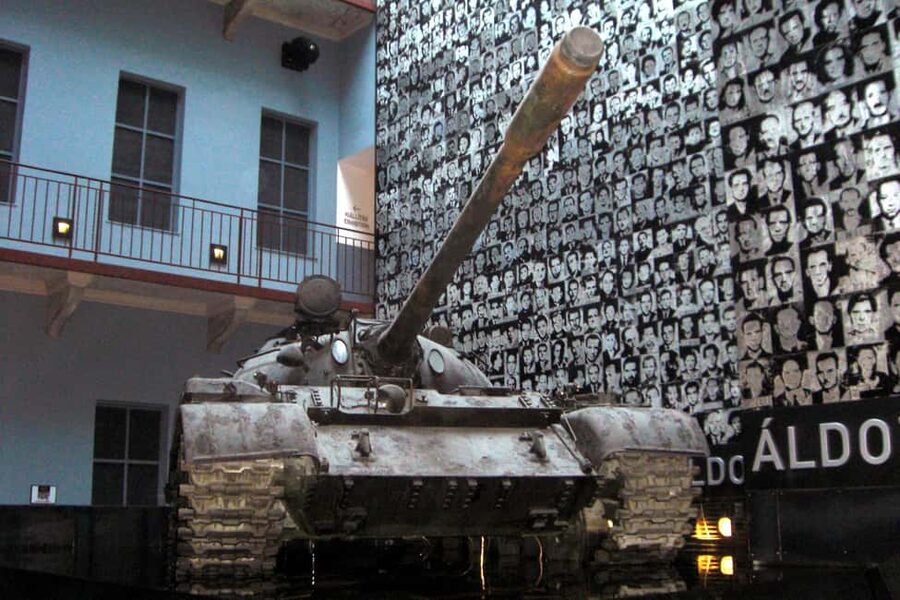
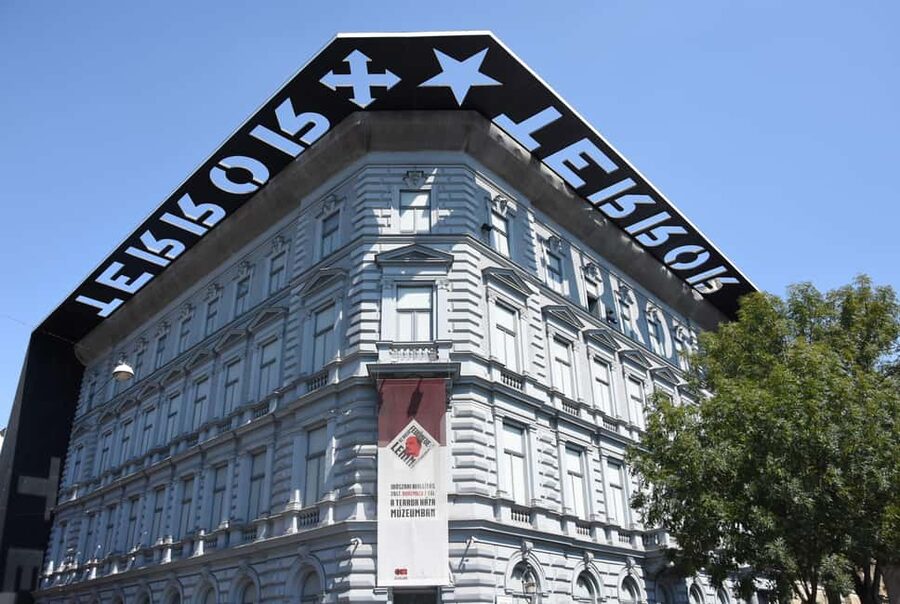
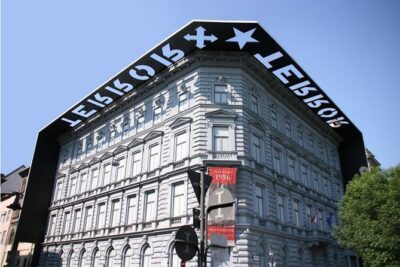
- Terror House with audio guide: Built around victims of the Communist era, with an audio guide included.
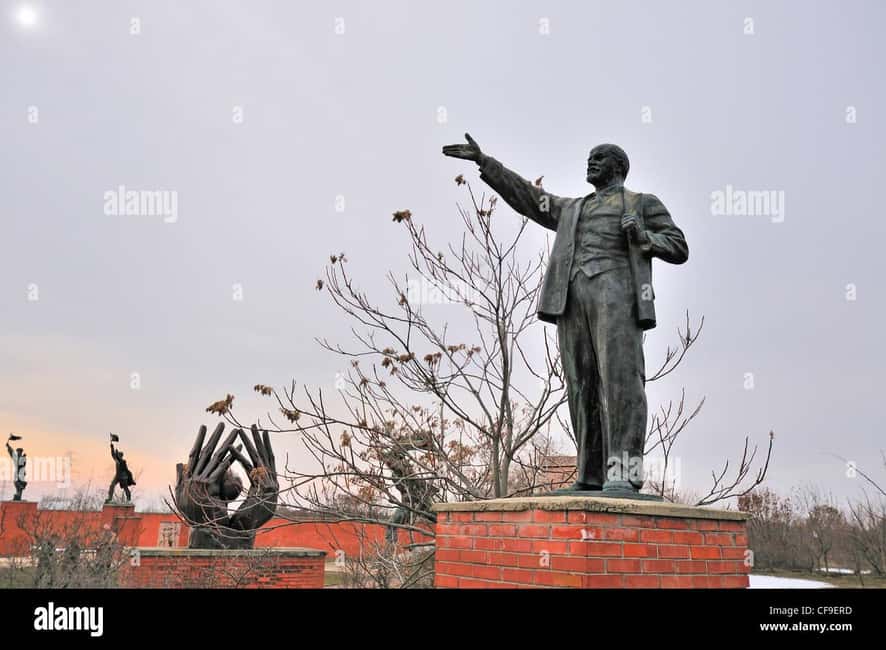
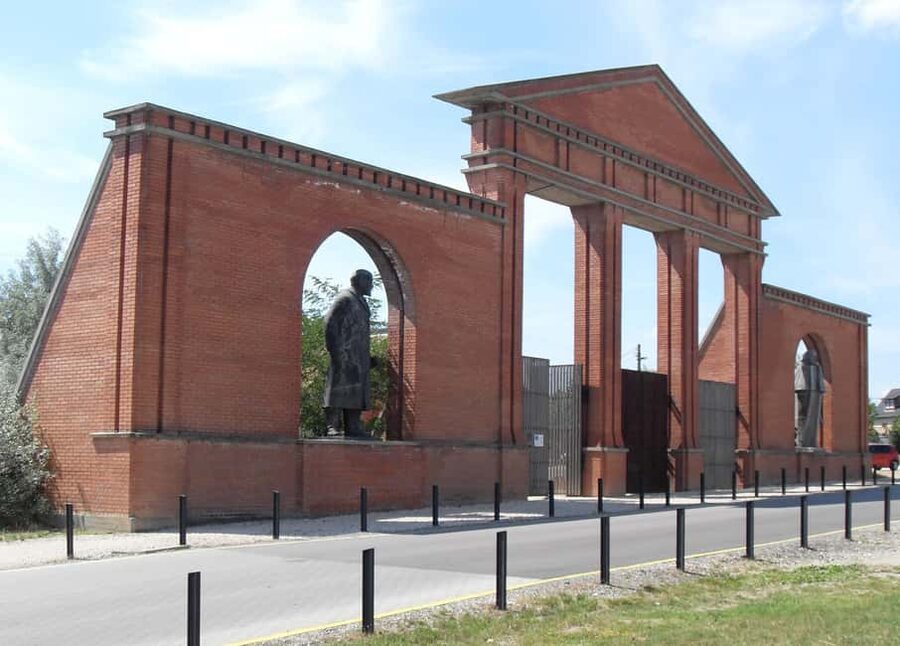
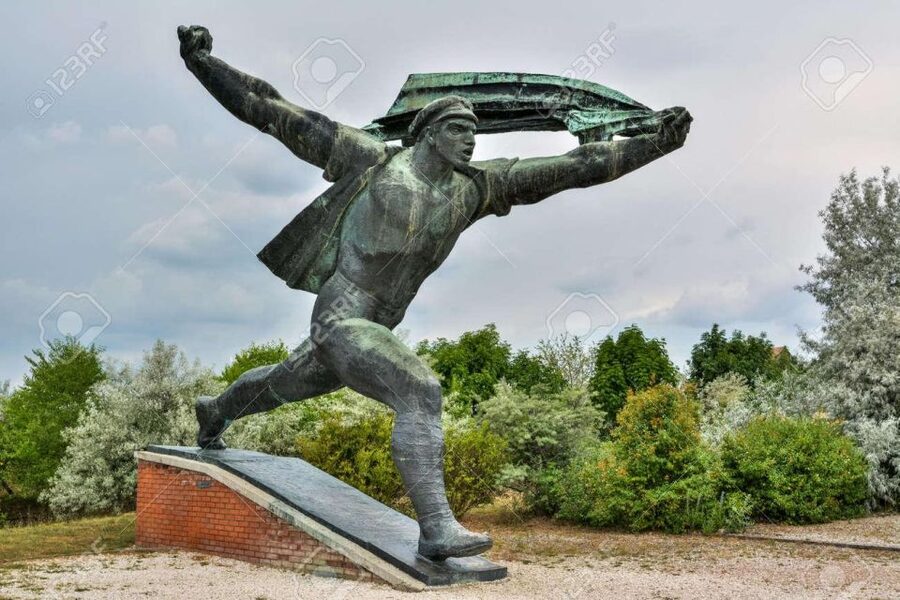
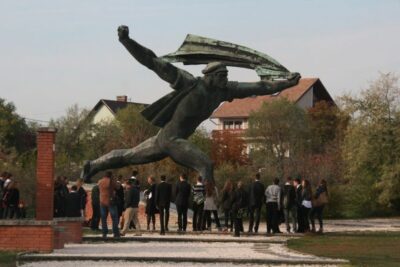
- Memento Park: An open-air display of relocated propaganda statues, including Marx and Lenin.
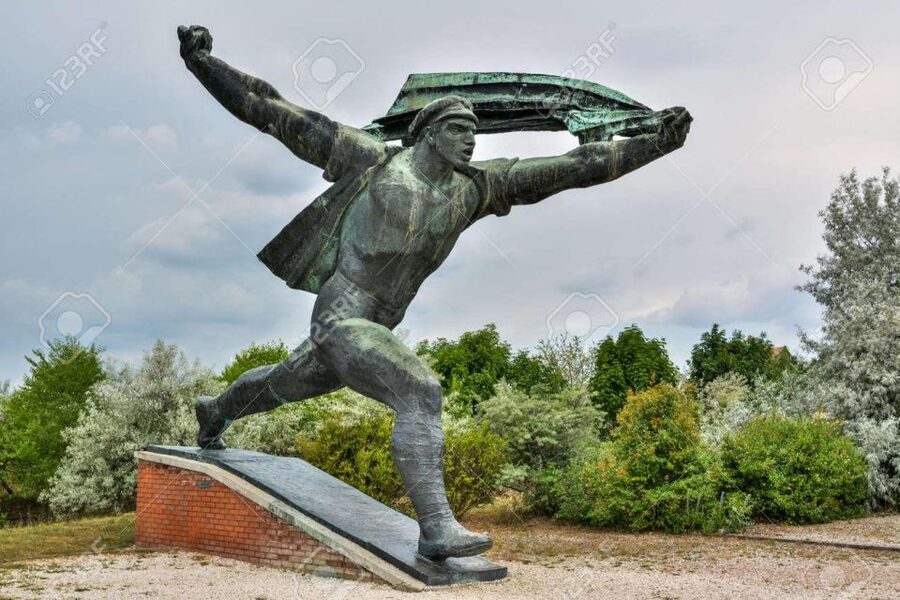
- Memento Park collection details: You’ll see 42 pieces, including a 6-meter Liberation Army Soldier statue.
- Children’s Railway finish: A 1949 line, originally the Pioneer’s Railway, operated by children aged 10 to 14.
More of Budapest behind the Iron Curtain
- Budapest: Communist History Tour with House of Terror Option★ 4.8 · 182 reviews
- Communism in Hungary with a Historian★ 5.0 · 70 reviews
- Budapest: 3-Hour Walking Tour About Communism (Small Group)★ 4.7 · 70 reviews
- Lives of Hungarians Under Communist and Capitalist system★ 5.0 · 59 reviews
Why Budapest’s Iron Curtain memorials still matter
This is the kind of tour that changes how you read a city. In Budapest, symbols are everywhere, and the Cold War left behind more than just old buildings. It left monuments, repurposed space, and a whole visual language meant to control how people thought.
The value here is that you get context in the order your eyes naturally follow. You start with major landmarks, then move into places that explain what happened to ordinary people under Communist rule. You’re not just looking at statues. You’re learning how regimes used spectacle and fear, and how later generations decided what to keep, what to remove, and what to relocate.
And yes, it ends with a ride that feels almost disarmingly normal compared to the earlier stops. That contrast is the point. It reminds you that even rigid systems had daily life tangled up in them, and that people still found ways to keep going.
Price and group size, and what makes it feel fair
The price is $511 per group, up to 6 people. That sounds like a lot until you do the math. With a full group, it works out to about $85 per person, which is often very competitive for a private, guided half-day in Budapest. If you’re traveling with fewer people, the per-person cost climbs, so this is best when you can fill out the group.
What I like about the pricing structure is what you’re paying for. You get transfers and a live guide, plus included entry into Memento Park. That combination matters because it turns “just visit some sites” into a real narrative, with someone steering you through what you’re seeing.
One more practical note. The tour lists that entry fees and lunch are not included, so treat that as your main budget wildcard. You’ll want to plan for the ticketed parts of the day, especially the museum stop.
Pickup, van time, and how the half-day really moves
This is a private tour, and that changes the pacing. You get pickup options in Budapest’s District XI, District V, and District VII, and drop-off returns to those same districts.
The rhythm is part driving, part walking. The setup is designed so you can see multiple Cold War sites without turning the day into an all-day hike. That’s useful here because several of the key points are spread across different neighborhoods and viewpoints. You’ll want comfortable shoes anyway, but the logistics are meant to keep things manageable.
If you like tours where your guide can answer questions on the spot, this format is a good fit. One guide name that comes up is Thomas, and the standout comment is that he’s able to explain things in a clear, insightful way, with enough detail to make the tour feel like more than a checklist.
Gellert Hill and the Liberty Statue on the skyline
Gellert Hill is a natural stage. From there, Budapest looks dramatic, and that’s exactly why monumental propaganda worked so well. The tour takes you to the Liberty Statue, also called the Freedom Statue, erected in 1947.
Here’s what you’ll learn that makes the statue more than a photo stop. The monument was originally dedicated to Russian troops. The pedestal is 26 meters high, and the statue itself adds 14 meters more. With those sizes, it’s considered one of the tallest monuments of its type in Europe.
Today it’s treated as a universal symbol of freedom and it’s a key feature in the city’s panorama. That shift is what the tour tries to teach you. Regimes label their power as protection. Later generations read the same structures differently, and sometimes they keep the structure while changing the meaning.
The practical takeaway for you is simple: don’t rush the viewpoint. Even if you already know the basics about the Cold War, standing in the spot the statue dominates helps you understand the original intent. Power looks taller when you’re beneath it.
More Budapest ideas for the space still left in the itinerary
- Countryside Half-day Gastro-Wine Tour from Budapest Meal & pickup
★ 5.0 · 1,450 reviews - Budapest Private Tuk Tuk Half-Day Tour
★ 5.0 · 606 reviews - From Budapest: Szentendre Half-Day Tour
★ 4.2 · 338 reviews - Budapest Guided Half-Day Grand City Tour with Parliament Visit
★ 4.0 · 213 reviews - Budapest Grand Half-Day Jewish Heritage Tour
★ 4.8 · 135 reviews
Citadella and the siege of Budapest: where the story gets tense
After the skyline viewpoint, the tour moves to the Citadella, where you learn about the siege of Budapest near the end of World War II. This matters because it marks the start of a longer period of occupation and control.
What makes this stop valuable is the way it links eras. You’re not only hearing about WWII as a standalone event. You’re seeing how the end of one conflict set up the beginning of another kind of struggle, the one that played out through political systems and forced narratives.
Citadella also helps you connect geography with history. High points are never accidental in city planning. They help power watch the city, and they help leaders frame what the public can see and how they interpret it.
One consideration: this stop can feel emotionally intense because it’s tied to the beginning of occupation. If you’re someone who prefers lighter sightseeing when traveling, you might want to set expectations before you go. The later museum stop confirms the tone.
Terror House: the Communist era through victims, with an audio guide
The tour includes the Terror House, a museum dedicated to those who fell victim during the Communist era. This is the moment where the tour stops being about monuments and becomes about people.
An audio-guide is included, which is a big practical win. You can move at your own pace while still getting guided context. If you’re traveling with people who process information differently, the audio format helps everyone keep up without feeling rushed.
This is also where I think the guide quality matters most. The best tours don’t just show rooms. They explain how the system worked and how fear operated. In at least one private-tour experience tied to this itinerary, the guide Thomas was praised for in-depth insights, especially around what day-to-day life could be like under Communist rule.
Because this is a memorial-focused museum, you should expect a serious tone. If you’re traveling with kids, teens, or anyone who dislikes heavy subject matter, you’ll want to judge whether this is the right fit for your group. The tour does not hide the topic, and it doesn’t try to soften it.
Also, remember that entry fees are not included. If you budget ahead of time, you won’t feel surprised at the museum door.
Memento Park: the statue relocation that turns propaganda into lessons
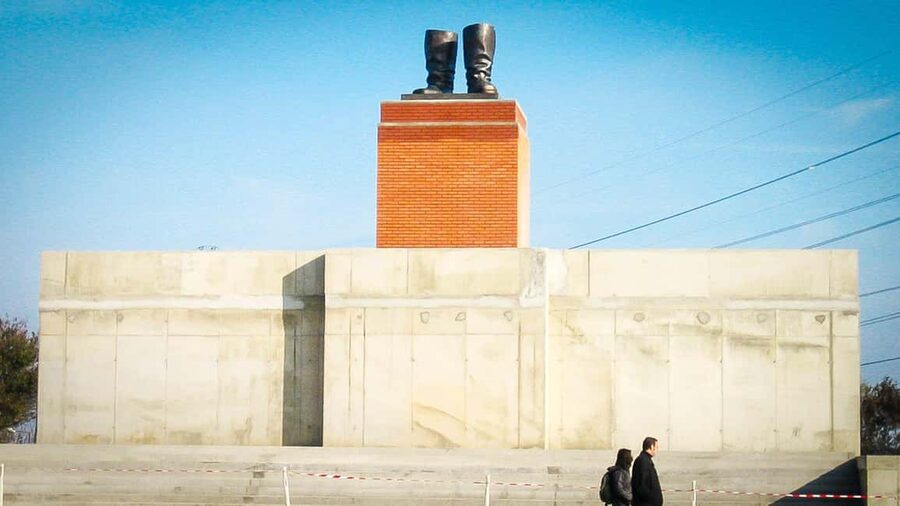
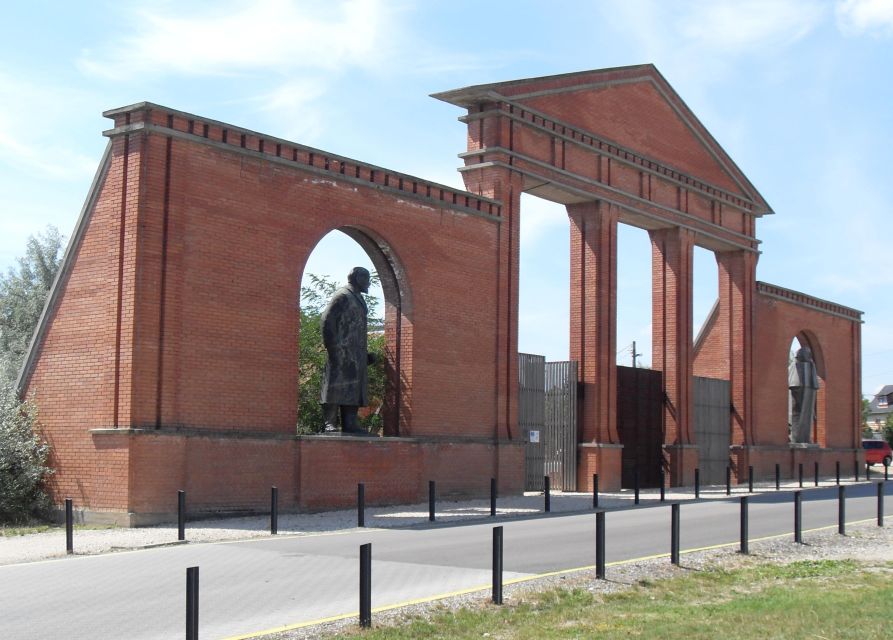
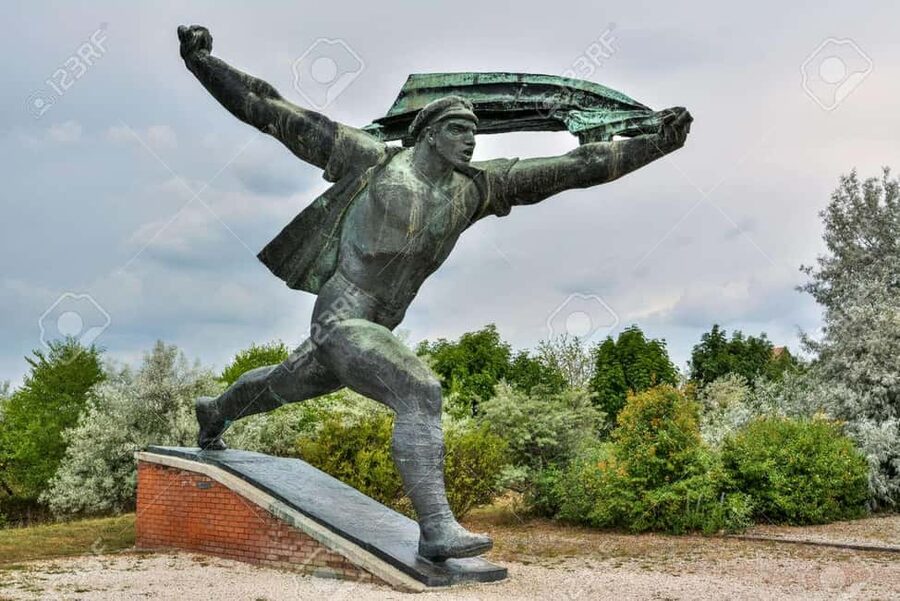
The centerpiece outdoors is Memento Park, an open-air museum created from monuments that were relocated from the city to this park setting. The time window is clear: many of the pieces were moved from 1945 to 1989.
This stop is fascinating because you’re seeing how a regime’s messages get handled after the regime falls. In cities, monuments can act like permanent commands. In a park like this, they become historical objects you can interpret from different angles.
The tour focuses on major figures and themes of the era. You’ll see statues connected to Marx and Lenin, along with Hungarian Communist leaders, including Ostapenko. You’ll also see the Memorial of the Hungarian-Soviet Friendship and other monuments erected from the postwar years through the late Communist period.
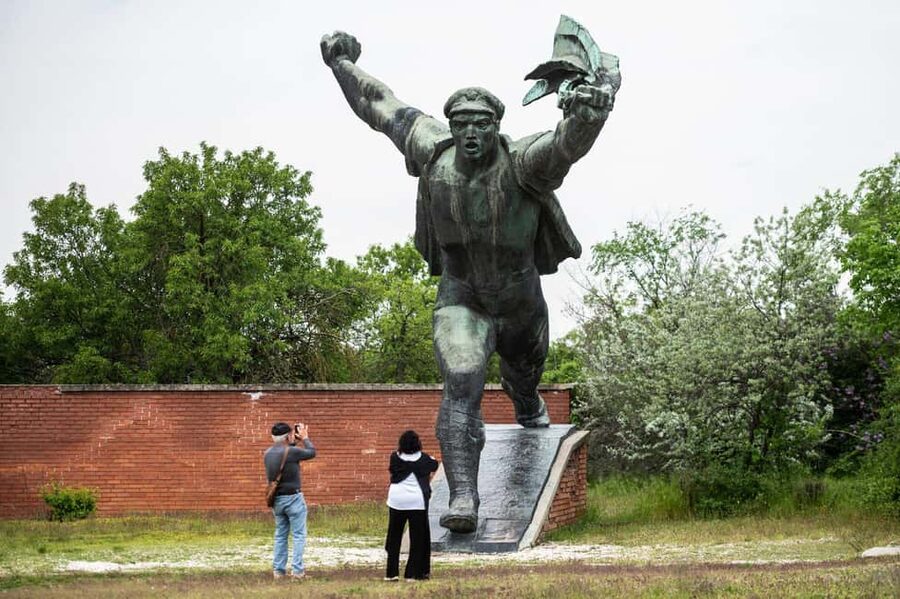
One reason this stop hits is the scale and specificity. The collection includes 42 pieces, and the Liberation Army Soldier statue is 6 meters high. You’re also learning the “why” behind what you see: propaganda figures weren’t just decorative. They were political tools.
From a practical standpoint, I like that entry into Memento Park is included. That removes one layer of decision-making and lets you focus on the experience itself. You still might want to budget for any separate entry at other sites, but this outdoor museum part is covered.
The one drawback you should consider is weather and walking comfort. Outdoors always means you’re at the mercy of conditions. If you hate uneven ground or long standing times, wear supportive shoes and plan to take breaks.
Children’s Railway in the Buda hills: a lighter ending that still says something
The tour finishes with a ride on the Children’s Railway in the Buda hills. It opened in 1949, originally known as the Pioneer’s Railway. The original operation model is part of what makes this stop interesting: it ran with children aged 10 to 14.
It’s a sharp tonal shift after the Terror House. But it’s not random. The tour uses this ride to remind you that the same political era that built monuments and prisons also built institutions and structured youth activities. You see the system’s long reach, even in something that looks playful.
What you’ll love here is the contrast. Instead of only seeing power from above, you get a small-scale experience. It’s quieter, more human-sized, and it gives your brain a place to rest.
One thing to double-check for budgeting: the tour lists entry fees are not included, so if the rail ride uses a ticket, you may need to pay separately. The itinerary describes the ride as part of the experience, but costs can still depend on how the operator handles tickets.
Who this private Cold War tour is best for
This tour fits best if you want more than trivia. If you’re the type of person who notices statues and wants to know what they were saying when they were built, you’ll enjoy this a lot. It also works well for travelers who like a guided narrative, where the guide explains how the city’s symbols connect.
It’s a strong match for:
- Couples or small groups who want a private pace
- Anyone planning a Budapest week who wants a focused half-day theme
- History-minded travelers who don’t mind serious content
- People who appreciate good interpretation, not just sightseeing
It might be less ideal if:
- You want only upbeat attractions today
- Your group struggles with museums that focus on victims and repression
- You hate walking or standing outdoors for extended stretches
Practical tips before you book
A few small things make your day smoother.
Bring passport or ID card, since that’s specifically listed as required. Wear comfortable shoes because you’ll mix walking with van travel. If you’re sensitive to heavy topics, plan your emotional energy ahead of time, especially for the Terror House.
On the money side, treat this as a guided experience plus one included park entry. Then plan for entry fees elsewhere and lunch on your own, since both are listed as not included.
Also, languages are plentiful. The guide is available in English, Spanish, Italian, German, Russian, French, and Portuguese. If you have a preference, it’s worth selecting it upfront so you get the explanation style you want.
Should you book this Budapest Half-Day Tour?
I’d book it if you want a guided, private way to understand Budapest under Communist rule, without spending the whole day. The combination is smart: Gellert Hill and Citadella for the big visual and strategic context, Terror House for human impact with an included audio guide, Memento Park for the propaganda statue story, and then the Children’s Railway as a gentler close.
This is also a good value structure when you can share the group price up to 6 people. If you’re not a fan of museums with heavy themes, you might feel the contrast more strongly in the wrong direction. But for most people, the tonal shift actually helps the lesson land.
If you’re deciding between a casual monument walk and a structured explanation, this one leans toward understanding. And if you get a guide like Thomas, the emphasis is on clear, in-depth insights that turn sites into a story you can actually remember.
FAQ
How long is the Budapest half-day tour?
The tour duration is 5 hours. Starting times vary, so you’ll want to check availability for the options.
What does the tour cost?
It costs $511 per group up to 6 people.
Is this a private tour?
Yes. It’s a private group experience.
Where can pickup happen?
Pickup is available in these Budapest areas: District XI, District V, and District VII. Drop-off is at the same three districts.
What languages are available for the live guide?
The live guide is available in English, Spanish, Italian, German, Russian, French, and Portuguese.
What’s included in the price?
Included are transfers, a guide, and entry into Memento Park.
What should I bring and what should I plan to pay for separately?
Bring a passport or ID card. Entry fees and lunch are not included, so you should budget for ticketed parts of the stops.
More Tours in Budapest



More Communist-Era Budapest



More Tour Reviews in Budapest




Recently added around Budapest


Budapest Communist History Tours, compared.
 ★ 4.8Communist History Tour with House of Terror OptionFrom $58182 reviews
 ★ 5.0Communism in Hungary with a HistorianFrom $5970 reviews
 ★ 4.73-Hour Walking Tour About Communism (Small Group)From $5770 reviews
 ★ 4.5Budapest Hammer & Sickle Communist Times TourFrom $7968 reviews
 ★ 5.0Lives of Hungarians Under Communist and Capitalist systemFrom $459 reviews
 ★ 4.5Private Budapest Hammer & Sickle Communist Times TourFrom $13347 reviews
 ★ 5.0Communist Budapest Walking TourFrom $12624 reviews
 ★ 4.9Memento Park and Icons of Communism Guided TourFrom $6323 reviews
Browse the lists this tour appears in