
Tour review · BUDAPEST COMMUNIST HISTORY TOURS
Life Under Communism with House of Terror or Statue Park
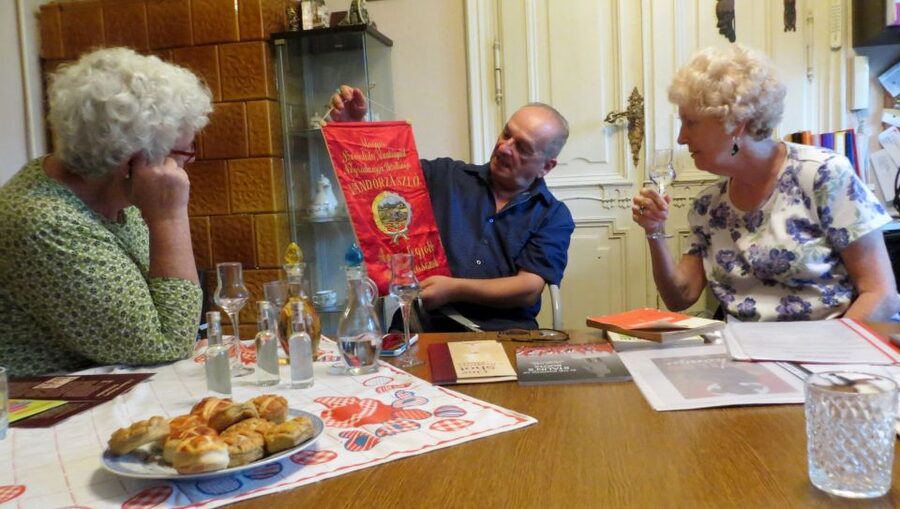
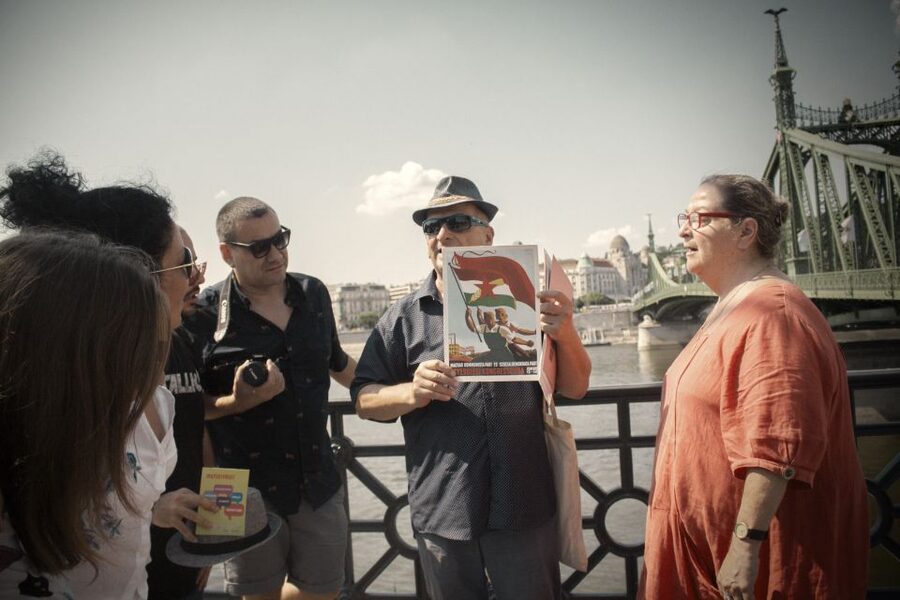
Communism felt close, not textbook. This private 3-hour walk and talk with Annamaria and Miklos brings daily life from the 1960s through the late 1980s into focus, with Bambi Eszpresszó as your 1980s-style starting point. I especially love how the guide keeps things practical, and how the discussion stays interactive, not lecture-only.
You also get a personal, tailored pace for your group, with time for real questions and honest back-and-forth. One consideration: this tour is people-moving, not a sit-down show, and it is not suitable for mobility impairments.
You’ll come away with a clearer view of how the system worked on multiple levels, plus a few printed materials, notebooks, and pens to help you remember what mattered. It is also good value because the price is set for a group up to 5, so it can work well for families and small friend groups.
Key things to love about Life Under Communism in Budapest
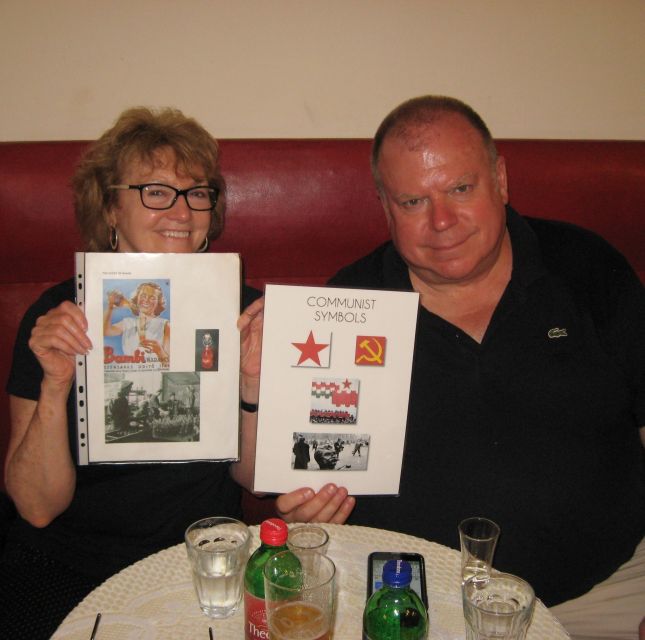
- Bambi Eszpresszó start gives you a real sense of the 1980s meeting-place culture
- Private group format means you can ask questions and shape the pace
- Interactive presentation with printed takeaways, plus notebooks and pens
- Multiple layers explained so the communist system makes more sense in everyday terms
- A ride on public transport that helps you see parts of Budapest you might skip
More of Budapest behind the Iron Curtain
- Budapest: Communist History Tour with House of Terror Option★ 4.8 · 182 reviews
- Communism in Hungary with a Historian★ 5.0 · 70 reviews
- Budapest: 3-Hour Walking Tour About Communism (Small Group)★ 4.7 · 70 reviews
- Lives of Hungarians Under Communist and Capitalist system★ 5.0 · 59 reviews
From meeting place to time machine: what the 3 hours really feels like
This is the kind of tour where you stop treating history as a list of dates and start treating it like daily life. You are in central Budapest, and the whole format is built around understanding how the communist system worked, not just reciting political slogans.
After pickup from your accommodation, your guide takes you together to the first stop, then you settle into an interactive session that mixes explanation with conversation. The best part is that you get both the big picture and the small, human details, the kind that make you think, oh, that is what people were actually dealing with.
I also like the “from then to now” approach. The tour is designed so you can see the past side-by-side with how Budapest changed over the past fifty years, including the remnants you can still spot today. It is not just nostalgia. It is cause-and-effect history.
And because it is private, you are not stuck with a one-size-fits-all lecture. The guide can adapt to what your group wants to know, from everyday routines to how the system shaped people’s choices. That flexibility shows up in the way the tour flows, and it helps you leave with answers that feel personal rather than generic.
Bambi Eszpresszó: starting in a recognizable 1980s mood
Your tour begins at Bambi Eszpresszó, which matters more than you might expect. Meeting places are where daily life leaves traces, and this one is treated as an emblematic stop for 1980s Budapest culture.
Think of it like setting the stage. Before you start walking and discussing, you anchor yourself in a place that feels like it belongs to that era. That little shift helps the rest of the tour click, because you are not picturing communist life from a distance. You are standing in an actual city setting while your guide talks through what life looked like, step by step.
This kind of start also changes how you experience the city afterward. After you hear the explanation, you start noticing everyday details differently, even when you are just moving through ordinary streets. The guide’s job is to connect what you see with what you learned, and this starting point gives them a strong foundation.
If you like history that feels grounded and human, this is a smart design choice. It turns the tour from abstract into observed. And since you have a live guide, you can ask for clarification on the spot when something does not make sense.
How the communist system gets explained on multiple levels
The core of this experience is an overview of how the communist system operated across different layers, then a closer look at what that meant in daily life in Budapest. The tour covers decades from the 1960s onward, moving through to the late 1980s, so you get both continuity and change.
You will learn how the system shaped everyday routines. That can mean practical things like how people planned their lives, what they had access to, and how daily decisions were affected by politics and economics. The tour is intentionally focused on lived reality, not only governance.
I also appreciate the way it is structured to make comparisons. One of the hardest parts of understanding communist-era life is that it can feel far away. Here, the guide continually contrasts the past with the changes that Hungary experienced in roughly the last fifty years, so you understand what broke, what shifted, and what lingered.
Another strong point is that you are not limited to one-way listening. The presentation is described as interactive and personal, and you are able to build the conversation around your interests and your group’s knowledge level. That matters because everyone arrives with a different understanding of Hungary and Central Europe.
A practical tip: bring questions. If you have ever wondered what people did for work, how goods and services felt different, or how daily life compared to Western Europe, this tour is set up to help you sort that out quickly. You get a chance to talk, not just hear.
Budapest streets and public transit: the “see it, then understand it” part
A big part of the value here is that the tour is not trapped behind a single door. You get to move around the city and, importantly, you get a chance to ride Budapest’s public transportation system. That helps you get more than a lecture, because you experience the rhythm of the city while connecting it to what the guide explains.
Public transit also does something subtle: it gives you a realistic slice of how a city functions. Even in a short ride, you get a feel for the infrastructure, the scale of everyday commuting, and how Budapest moves people around. That makes the lesson on daily life more tangible.
You may also see parts of Budapest you otherwise would miss. This matters if your sightseeing plan is mostly the usual highlights. The tour is designed to route you through the kind of city context that helps you understand how people actually lived and worked.
One note for planning: transportation is listed as not included, even though pickup is included and you might ride public transit during the tour. So before you go, make sure you have a way to cover any transit fares if the ride happens during your session. Comfortable shoes also really matter, since the whole experience is built around walking plus city movement.
- Budapest: City Highlights Cruise with Welcome Drink
★ 4.6 · 35,610 reviews - Budapest: Unlimited Prosecco, Beer and Aperol Spritz Cruise
★ 4.8 · 25,310 reviews - Budapest: Széchenyi Spa Day Ticket with Optional Upgrades
★ 4.3 · 23,911 reviews - Budapest: Nighttime or Daytime Sightseeing Cruise
★ 4.2 · 21,062 reviews - Budapest: 1-Hour Evening Sightseeing Cruise with Drink
★ 4.5 · 8,330 reviews
House of Terror or Statue Park: how the pairing changes your perspective
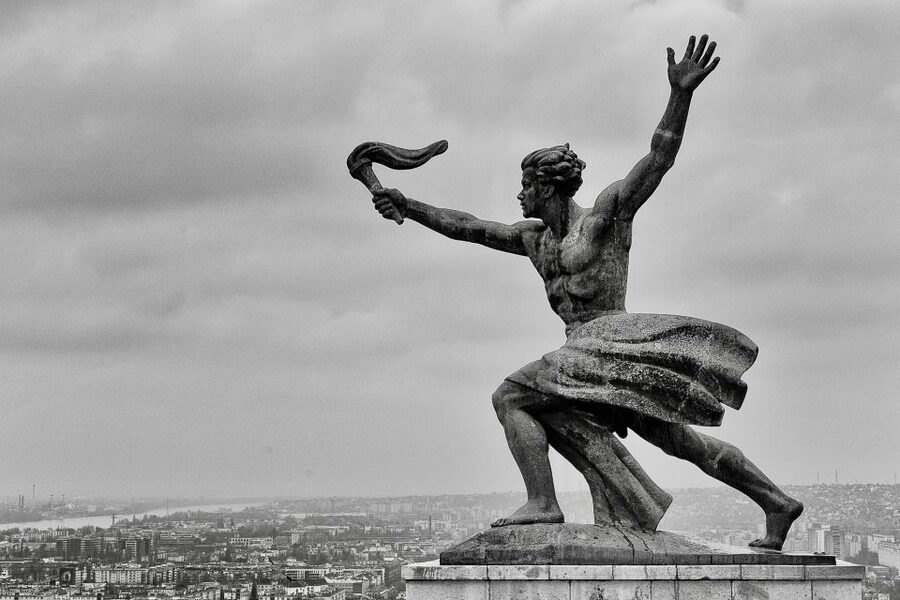
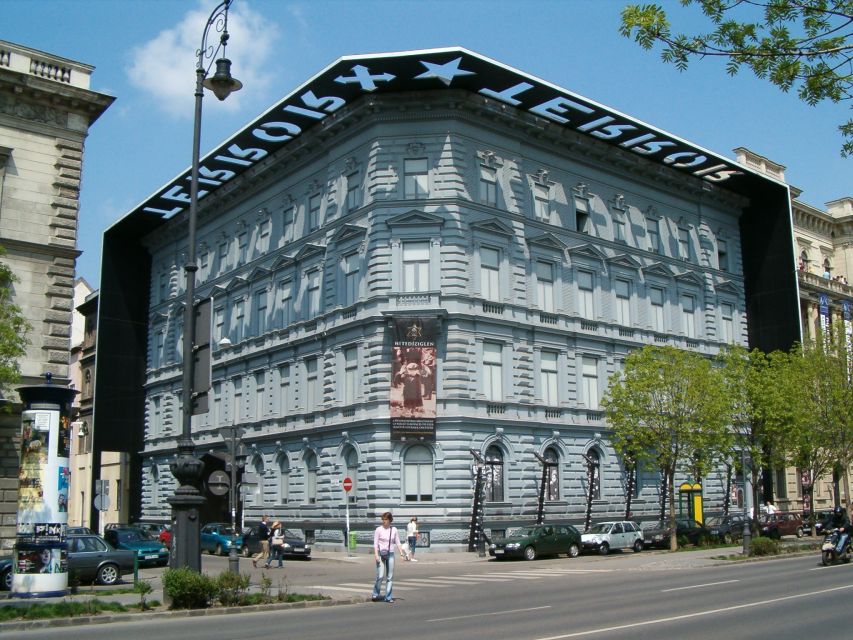
The experience is named Life Under Communism with House of Terror or Statue Park, which tells you it is meant to connect everyday life to the broader communist-era legacy in Budapest. In practice, the pairing you choose can shift what you focus on while the main guide-led conversation stays centered on daily realities.
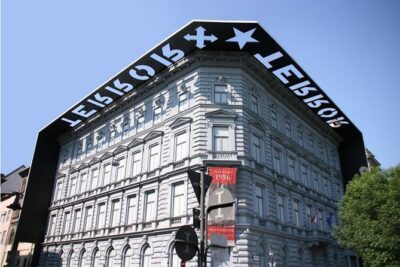
If you choose House of Terror, you are steering your learning toward the darker machinery of the era, the kind of context that helps explain fear and control. That can make the everyday stories from the lecture feel sharper and more weighted, because you understand what people were up against.
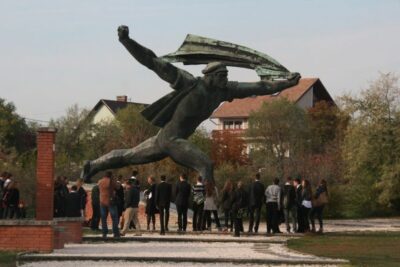
If you choose Statue Park, you are steering your attention toward the visible remnants of the era, the monumental artifacts that now sit as reminders. That option can make your tour feel more reflective. You start noticing how objects, symbols, and public space get repurposed after political change.
Either way, the smart move is to treat the pairing as a lens, not a separate attraction. Let the lecture guide your interpretation, then use the additional site to ground the themes in a concrete place. The result is a tour where the past is not only talked about, you see it and interpret it.
If you are booking with a specific pairing in mind, I recommend you ask your guide what connection they will emphasize during your session. Since the tour is designed to be adaptable to your group’s interests, that question can help you get more out of the time.
Price, private group math, and when $282 makes sense
The price is $282 per group up to 5 for a 3-hour experience. That means the cost can feel very different depending on how many people are in your group.
If you have a full group of five, the effective rate becomes roughly $56 per person, which is the kind of figure that starts to look reasonable for a private, English/German/French guided session plus interactive materials. If it is just two people, the per-person cost goes up, but you still get the advantage of a private format, pickup, and an interactive talk that can be tailored.
For me, the key value is not only the guide. It is the format: a private, personal presentation that focuses on how communism shaped daily life, then connects it to what you can still observe in Budapest today. Many tours give you dates. This one tries to give you cause-and-effect in everyday terms.
So I would think of the pricing like this: you are paying for context and conversation, delivered in a way that works for your group. If you like history that feels practical, this can be a great use of limited time. If you only want passive sightseeing and you dislike discussion, you might find it less rewarding.
Who should book this communism-focused Budapest tour
This experience is a strong fit if you:
- Want a short, high-impact way to understand communist-era daily life in Budapest
- Like guided conversation and asking questions in real time
- Prefer a private tour where the pace can adapt
- Enjoy seeing how historic eras leave remnants you can still notice today
It is also a great option if your group includes different levels of interest, because the tour is designed to adjust to knowledge levels. That matters for family groups and friend groups where some people read every plaque and others prefer the big ideas.
On the flip side, it is not suitable for people with mobility impairments. Since it involves walking and possible public transport, it likely would not work for anyone who needs a fully seated, low-movement option.
As for timing, plan for weather and wear comfortable clothes. The tour is short, but the city movement and outdoor starting point mean you will feel the conditions. Bring layers when the forecast looks uncertain.
Should you book Life Under Communism in Budapest?
Yes, I think you should book it if you want history that connects to real life. The private setup, the interactive presentation, and the way it starts at Bambi Eszpresszó make it more than a standard facts tour. You are likely to come away with clearer mental pictures of what the system meant day to day, plus a stronger sense of how Budapest changed after the communist era.
Book it especially if you have limited time in the city but you care about understanding the human side of the twentieth century. And if you care about the darker context or the visible remnants, choose the pairing, House of Terror or Statue Park, that matches what you want to feel and think about most.
If you want a strictly museum-style visit with minimal conversation, this may not be the best fit. But if you like asking questions, moving through the city, and building context as you go, this is an excellent use of three hours.
FAQ
How long is the Life Under Communism tour in Budapest?
The tour lasts 3 hours.
Where does the tour start?
The tour starts at Bambi Eszpresszó. Your guide meets you at your accommodation in Budapest first, then you go to the first stop together.
What languages are available?
The live tour guide is available in English, German, and French.
Is this a private group tour?
Yes, it is a private group.
Is food included during the tour?
No, food and drinks are not included.
Is transportation included?
Transportation is not included, even though pickup is included and you may ride public transportation during the tour.
Is the tour suitable for people with mobility impairments?
No, it is not suitable for people with mobility impairments.
Can I cancel for a refund?
Yes, you can cancel up to 24 hours in advance for a full refund.
More Communist-Era Budapest





More Tour Reviews in Budapest






Recently added around Budapest



Budapest Communist History Tours, compared.
 ★ 4.8Communist History Tour with House of Terror OptionFrom $58182 reviews
 ★ 5.0Communism in Hungary with a HistorianFrom $5970 reviews
 ★ 4.73-Hour Walking Tour About Communism (Small Group)From $5770 reviews
 ★ 4.5Budapest Hammer & Sickle Communist Times TourFrom $7968 reviews
 ★ 5.0Lives of Hungarians Under Communist and Capitalist systemFrom $459 reviews
 ★ 4.5Private Budapest Hammer & Sickle Communist Times TourFrom $13347 reviews
 ★ 5.0Communist Budapest Walking TourFrom $12624 reviews
 ★ 4.9Memento Park and Icons of Communism Guided TourFrom $6323 reviews
Browse the lists this tour appears in